
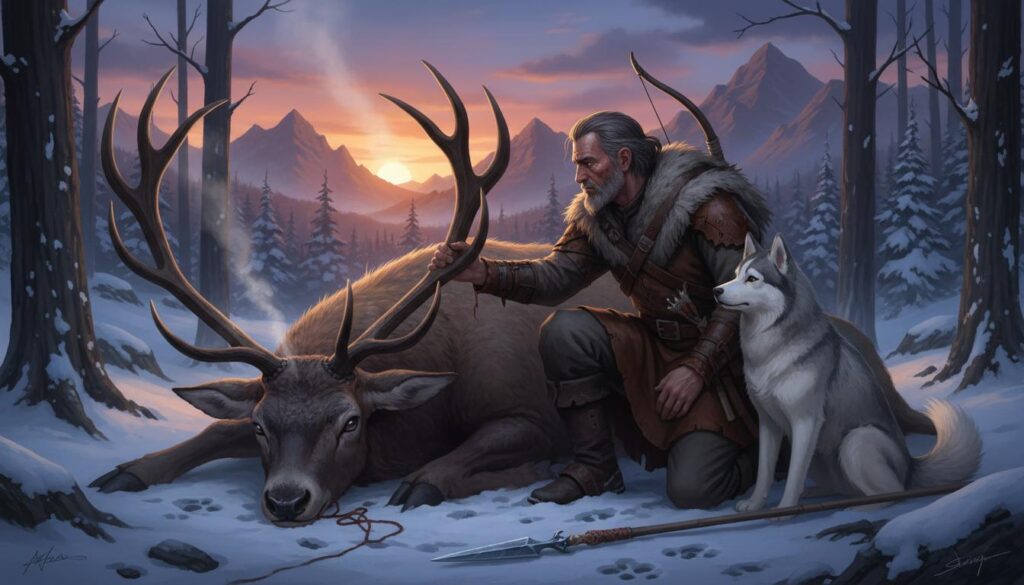
Your last hunt of the season carries extra weight. You’ve learned the habits of the animals, felt the weather pivot, and filed away what worked and what fell flat. Now you want to turn those lessons into a clean, ethical, and legal success before seasons close. This guide is built for Canada: laws, landscapes, gear that works in real cold, and the smart, late-season tactics hunters actually use from Vancouver Island to the Avalon Peninsula. By the end, you’ll know how to plan a final hunt that respects the rules, sharpens your odds, and leaves nothing to chance—except the wildness that keeps us coming back.
What “Last Hunt” Means—and Why It’s Different
When hunters talk about a last hunt, they usually mean one of three things. First, the final day or weekend before the season ends—those precious hours when animals have felt months of pressure and the weather is no longer polite. Second, a last-chance push to fill a tag before expiry. Third, a milestone in life: a final hunt with a parent, a last elk camp before a move, or a first season you refuse to let slip by without a fair shot.
Whatever it means for you, a last hunt demands more discipline. Margins are thin. Cold interferes with batteries and fingers. Animals pattern differently after snow and pressure. Access roads glaze over. Gear that sort-of worked in October can fail in December. The trick is to simplify, refine, and plan with honesty. If you’ve ever muttered “I’ll figure it out when I get there,” do the opposite now.
Know the Law First: Canadian Rules That Shape Your Last Hunt
Canadian hunting law stacks federal and provincial rules. You’re responsible for both. Late-season hunts often span holidays and short daylight windows, so you don’t have time for a licensing hiccup or an avoidable ticket. Here’s the practical outline you need to lock down before your final hunt of the season.
Federal Rules That Matter Everywhere
Firearms licensing: To possess and hunt with non-restricted firearms (most rifles and shotguns), you need a valid Possession and Acquisition Licence (PAL). You get it by passing the Canadian Firearms Safety Course (CFSC) and applying through the RCMP. Keep your PAL on you. Transport unloaded, and locked if left unattended; follow RCMP storage and transport standards at all times. Restricted firearms (most handguns) are not legal for hunting in most provinces and are governed by stricter transport rules with Authorizations to Transport—irrelevant to most hunts.
Migratory birds: To hunt ducks, geese, and other federally managed migratory birds, you must hold a Migratory Game Bird Hunting Permit and Canadian Wildlife Habitat Stamp for the current year. Nationwide, non-toxic shot is mandatory for waterfowl. Across Canada, legal shooting times for migratory birds are typically from half an hour before sunrise to half an hour after sunset, but always verify with the official tables.
Magazine capacity: Center-fire semi-automatic rifle magazines are generally limited to five rounds; semi-auto shotgun magazines used for hunting are typically limited to two rounds in the magazine (plus one in the chamber). Bolt, pump, and lever actions don’t have the same statutory limits, but pinned magazines still need to comply with federal regulations. Don’t rely on hearsay—use factory-pinned mags and know your setup.
Prohibited tools and methods: Suppressors are prohibited devices for civilians in Canada. Drones cannot be used to spot or harass wildlife while hunting. Most night hunting with artificial light is illegal for licensed hunters, with specific and important exceptions for some Indigenous harvesters exercising constitutionally protected rights. Thermal scopes used to illuminate targets are generally prohibited for hunting in most jurisdictions.
Provincial and Territorial Touchpoints for a Late-Season, Last Hunt
Each province or territory sets seasons, bag limits, and management units. If you only remember one thing, make it this: rules can change by Wildlife Management Unit (WMU), and late-season dates are often specific and short. Double-check the current-year summary for your unit before your final hunt of the season.
| Province/Territory | Licensing System | Late-Season Considerations | Access Notes |
|---|---|---|---|
| Ontario | Outdoors Card + species tags; point-based moose allocation | Deer firearm/muzzleloader late seasons in many WMUs; archery-only zones near cities | Large Crown land areas in the north; southern Ontario mostly private—written permission recommended |
| Quebec | Zone-based licences; controlled harvesting areas (ZECs) | Distinct rifle/bow/crossbow periods; antler restrictions vary | SEPAQ and ZEC rules differ; passes often required |
| British Columbia | Basic hunting licence + species licences; LEH draws for some hunts | Late deer opportunities in select regions; elk largely LEH late | Vast Crown land; forest service roads can ice over or close |
| Alberta | WIN card + licences; draw system for many big game | December bow seasons in some WMUs; late elk/deer in prairies and foothills | Mix of Crown and private; ask permission; some municipal predator incentives |
| Saskatchewan | HAL system; draw for moose/elk/deer in many zones | Big, open-country deer and waterfowl days into late fall; weather-driven | Recent trespass laws require explicit permission on rural land |
| Manitoba | Hunting licences by species; draw for moose/elk | Strong late goose migration windows; deer in agricultural edges | Large Crown parcels; respect posted farmland |
| Nova Scotia | Wildlife Resources Card + licences | Condensed seasons; deer firearm late dates vary by zone | Limited Crown vs private patchwork; permission is key |
| New Brunswick | Outdoors Card; draws for moose | Late upland/small game; deer pressure is high | Access typically requires permission near communities |
| Newfoundland and Labrador | Big game draw allocations; moose-focused culture | Late moose hunts are snowy, remote; weather rules | Vast Crown land; logistics and ferries can complicate timing |
| Prince Edward Island | Species-specific licences; limited big game | Waterfowl and small game late-season focus | Mostly private land—get permission early |
| Yukon | General and permit hunts; First Nations agreements | Late-season conditions are severe; daylight is short | Backcountry routes demand serious winter prep |
| Northwest Territories | Resident/non-resident regulations differ; tag systems | Late-season small game and predators commonly pursued | Remote access; community-driven rules and logistics |
| Nunavut | Territorial licences and permits; co-management boards | Specialized hunts; weather dictates plans more than dates | Travel, guiding, and community coordination are essential |
Indigenous rights: Indigenous Peoples in Canada have constitutionally protected rights that can include hunting outside general seasons and without the same licensing, for food, social, and ceremonial purposes, subject to conservation and safety considerations and sometimes to agreements with provinces or territories. If you are a licensed non-Indigenous hunter, you must follow the standard rules for your area.
Access: Crown Land, Private Permissions, and Knowing Where You Stand
A last hunt often hinges on access. Snow closes marginal roads. Farmers pull blinds ahead of winter. Land that felt casual in September becomes fragile in December, when ruts freeze and gates matter more. Give access the same respect you give your rifle zero.
Crown land: In the West and North, Crown land offers massive opportunity, but rules differ by province. In Ontario, Crown land camping and hunting are common north of the agricultural belt; in southern Ontario, expect patchwork ownership and conservation authority parcels with specific rules. In BC and Alberta, forest service roads can be active logging corridors—obey signage, yield to industrial traffic, and don’t block gates or landings. Winter road closures and avalanche zones can shut whole valleys.
Private land: Saskatchewan’s Trespass to Property Act requires explicit permission to enter rural land for hunting. Alberta, Manitoba, and much of the Maritimes also look for written or verbal permission depending on signage and land status. For a last-chance whitetail in farm country, a simple, polite permission letter and a promise to stick to field edges might be the difference between a “no” and a quiet “sure.” Offer to share your hunt plan and departure time. Close gates. Park where you were told.
Tools to know: Many Canadian hunters lean on iHunter (province-specific) to see WMU boundaries, Crown parcels, and landowner maps where available. Backroad Mapbooks, Avenza Maps with georeferenced government PDFs, and provincial geoportals are also popular. For your final hunt, download maps for offline use and carry a paper backup.
Species-by-Species Strategies for a Strong Last Hunt
Late-season animals are cautious, calorie-driven, and attuned to weather. That’s good news if you respect the conditions and set up accordingly. Here’s how the final hunt of the season plays out for the species most Canadians chase.
Whitetail Deer: Surviving the Cold and the Pressure
By December, whitetails funnel to consistent food and secure cover. Hunting them becomes both simpler and stricter: be where they must go, and don’t ruin the one approach that won’t spook them. Your last hunt for deer should centre on three truths.
Food first: Agricultural edges—standing corn, winter wheat, alfalfa bales, and brassica plots—draw deer hard in the cold. In the Canadian Shield, look for south-facing slopes with browse, conifer edges that cut wind, and recent logging cuts with woody tips. If temperatures crash, deer feed earlier. A weak thaw can push them to the very last light. Your final hunt window often narrows to the last forty minutes of legal shooting time.
Access like a ghost: Morning hunts can blow deer out of destination feed if you cross the wrong field. If the wind isn’t right, skip the morning and protect the evening sit. Come in via hedgerows, fencelines, or creek beds. Use snow to muffle sound, but watch the squeak on ultra-cold days. Think about exit too; spooking a field full of deer with a flashlight at closing can end your week.
Comfort to stay: In -15°C with wind, patience dies fast. A quiet, insulated seat, a windbreak, and down mitts you can shoot in matter more than they did in October. Chemical warmers in your boots keep you thinking. If you can sit perfectly still during that last half hour, you’re in the top ten percent of late-season hunters.
Shots and blood trails: Lungs beat shoulders in the cold when tracking is easier across snow. That said, a double-lung deer can still run 60–100 metres. On fresh snow, track hair type, stride, and the arc of the trail. If your last hunt ends with a thin blood line at dusk, don’t barrel in. Mark the last blood with flagging, pull out quietly, and return with daylight unless coyotes are in the immediate area and the temperature threatens meat safety.
Moose: Sparse Signs and Big Consequences
Late moose hunts in Newfoundland and Labrador, Northern Ontario, Quebec, or across northern BC and the territories are dictated by snow, daylight, and safety. Post-rut moose move less. Cows and calves are tight to willow and conifer thickets; bulls may be solitary and shed antlers anytime from late fall into winter.
Track smart: A single big print and a sway in the brush can be a full day’s plan. Use fresh snow to cut tracks on logging roads at first light. If you cut a big, fresh trail, build a slow, careful still-hunt into likely bedding cover, paying attention to wind sinks in draws. Don’t expect vocal responses post-rut; soft contact grunts sometimes work at close range, but movement and scent control are your real tools.
Logistics matter: A downed moose at 2 p.m. in December can be a rescue operation. Sleds, pulks, and a compact saw save your back. Have at least two sharp knives, a bone saw, and game bags. Plan truck access before you pull the trigger; frozen muskeg can look supportive until a tire breaks through. For a last hunt that could become an all-nighter, a headlamp with a spare lithium battery is not optional.
Elk: Edges, Pressure, and Patience
In Alberta’s prairie WMUs, Saskatchewan’s parkland edges, and BC’s Kootenays, late-season elk often abandon open basins by daylight. They hold in shelterbelts, timbered benches, and private agricultural pieces where pressure is lowest. A final elk hunt succeeds on three fronts: pattern a herd with glass, stake out the one safe crossing or gap they use at first or last light, and hold your nerve when non-shooters pour through ahead of a legal bull or cow.
Snow helps: Tracks, droppings, and bed clusters in south-facing breaks point to midday bedding. Evening thermals typically fall; don’t let your scent slide into a crossing. Elk tolerate cold better than they tolerate pressure. One mistake can move them two townships. It’s worth guarding a single fence line if you know they’ve used it in the past week.
Black Bear: Late Fall Realities
Most black bears in Canada den by late fall, though timing depends on latitude, food, and weather. If your area offers a late fall bear season, expect limited daylight movement and tough judging under heavy coats. Hibernation onset and baiting legality vary by province; many late-season Canadian hunts for bear are spring-focused instead. If your last hunt includes bears, be clear on rules and have an exit plan for recovery before deep cold sets in for the night.
Waterfowl: The Last Flock Before the Freeze
Late-season ducks and geese are wilder and wiser. They’ve seen every spread and heard every hail call. Canada’s geography gives you leverage if you play it right.
Prairies: In Saskatchewan and Manitoba, migration rides weather. A sudden cold snap can push waves of birds, then lock fields under crusted snow. Your final hunt might hinge on finding a field with windswept grain or a warm-water outlet. Downsize decoy spreads and add motion that doesn’t scream “fake”—spinning wing decoys can be deadly or a deterrent at this stage. Read the birds: if they flare, kill the spinner and soften the calling.
British Columbia’s coast: The Fraser Delta and Vancouver Island hold strong late-season waterfowl. Tides, ice lines, and wind set your plan. Legal access and distance from residences matter near urban zones. Expect wary birds that love subtlety and perfectly hidden blinds. Know your tides to avoid a long, cold slog out.
Atlantic Canada: Nova Scotia and New Brunswick still offer shots at sea ducks and geese in the right weather windows. Ocean hunts are unforgiving—respect forecast and swell. Always wear a PFD in small craft; cold-water shock is real and swift.
Shell choice: Non-toxic only for waterfowl. Many hunters switch to steel, bismuth, or tungsten. Pattern your shotgun with your late-season choke and shell. As temperatures drop, steel patterns can tighten and velocities can vary. Ethical range often shrinks in cold, windy conditions.
Upland and Small Game: The Quiet Win for a Final Hunt
When big game tags are filled or closed, a late-season last hunt for small game can be a joy. Snowshoe hare, ruffed grouse, and ptarmigan move during daylight and leave readable tracks. In Ontario and Quebec, conifer edges and alder lines hold grouse even in snow; in Alberta and BC, cutblocks and willow flats can be productive. Be mindful of road-hunted birds that absorb pressure. A slow, careful walk with a .22 or a shotgun can cap the season in a relaxed, practical way that also puts meat in the freezer.
Predators and Furbearers: Context and Care
Some provinces offer late-season coyote or wolf opportunities with specific rules, and in certain Alberta municipalities, predator incentive programs have existed at times. Regulations are detailed and can shift; know your seasons, methods, and landowner expectations. Ethical predator hunting demands clean shots, quick follow-ups, and absolute clarity on private land permissions, especially late in the year.
Gear That Works When It’s Actually Cold
A last hunt is often a cold hunt. If your fingers stop working, your hunt stops. Build systems that keep you warm, silent, and safe without weighing you down.
Clothing: The Layering System That Lets You Sit
Base layer: Start with a moisture-wicking base—merino wool or high-quality synthetic. Cotton ruins hunts in the cold. Even minimal sweat from a short walk can chill you for hours at last light.
Mid layer: Insulating fleece or wool traps heat. In truly frigid weather, add a lofted mid-layer (synthetic puffy or down with a weather-resistant face). Late-season whitetail sits often call for a heavier mid than you think.
Shell: Windproof and quiet rules. Stiff, noisy fabrics are tolerable in the wind, intolerable in a deer’s bubble. For spot-and-stalk in snow, a breathable soft shell pairs well with a packable puffy to throw on when you stop.
Hands and feet: Mitts beat gloves for warmth. Use a thin liner glove so you can ditch the mitt briefly to shoot. For boots, 800–1200 g insulation is a starting point for -15°C sits. Chemical warmers can salvage a last-hour stand. Consider a boot blanket or over-boot for long stationary evenings. Rotate socks and keep one dry pair in your pack.
Head and neck: A merino toque and a wind-blocking hood reduce shivers that spook game at close range. A neck gaiter tucks drafts away—small comfort, big difference.
Firearms, Bows, and Ammunition: Cold-Weather Realities
Rifle zero: Cold air is denser, and velocities can dip with temperature. A rifle zeroed at 20°C can print a little lower in deep cold, and lubricants can thicken. Clean and lightly oil your rifle with a cold-weather-appropriate product. If you’re taking longer shots on a last hunt in the prairies or foothills, confirm zero near the expected temperature if possible.
Calibres and bullets: Common Canadian choices like .308 Win, .270 Win, 6.5 Creedmoor, and .30-06 all work fine when matched to a sturdy, controlled-expansion bullet for big game. In cold, prioritize reliable expansion at the ranges you expect. For waterfowl, pattern your 12- or 20-gauge with your chosen non-toxic load—bismuth and modern steel kill clean when placed right within ethical ranges.
Bows in the cold: Limbs and strings are stiffer; wax your string and keep the bow from extreme temperature swings. Broadheads should be razor-sharp, and your layers must let you draw smoothly. Practice in your actual late-season clothing. Crossbow rules vary by province—confirm your unit’s allowances and minimum draw requirements.
Optics and Low-Light Strategy
Late-season glass needs to transmit light and work with fog and frost. Keep a microfiber cloth in a pocket, not your pack. Anti-fog wipes help. In that last hunt window at day’s edge, exit pupils matter—don’t leave your best glass at home. Know your reticle in dim light and don’t push shots you can’t ethically see. Artificial lights for spotting game are generally illegal for hunting—stay within the law and focus on position and timing instead.
Batteries and Electronics: Lithium Wins
Cold is brutal on power. Swap alkaline for lithium in headlamps, GPS units, and rangefinders. Keep a phone in an inside pocket to hold heat, and cache offline maps ahead of time. A compact power bank buys you safety margin if a long tracking job stretches into darkness.
Sleds, Snowshoes, and Mobility
A cheap plastic sled can carry a whole deer or half a moose quartered, saving your back and energy. Snowshoes let you float without crashing through crust and announcing your approach. In the mountains, consider lightweight skis only if you’ve trained with them; a last hunt is not the time to learn kick turns with a pack and rifle.
Field Kit You Shouldn’t Leave Behind
- Two fixed-blade knives and a small sharpener
- Game bags and a contractor-grade trash bag (for wet or bloody gear)
- Flagging tape for blood trails and recovery
- Headlamp plus spare batteries (lithium)
- Fire starter (stormproof matches and a reliable lighter)
- Emergency bivy or lightweight tarp
- First aid kit with pressure bandage and blister care
- Spare socks, thin liner gloves, and a microfleece layer
- Paper map and compass as backup
Late-Season Fieldcraft: Turning Sign Into Success
Snow turns the bush into a notebook. It also covers mistakes quickly, which can be a blessing if you get your approach right on a last hunt.
Reading Tracks and Sign in Snow
Deer: Heart-shaped, two-toed prints with dewclaws showing on big-bodied bucks in deep snow. Track freshness by crisp edges and whether snow crystals have collapsed. A feeding area will look like a minefield; trails that angle to thick conifers point to bedding. If you find a track with a steady line and a brisk, even stride, you may be trailing a buck relocating between cover and feed—shadow the downwind side, stay patient, and expect him to bed on a small knob with cover at his back.
Moose and elk: Moose tracks are huge and splayed, with deep post-holing in crust; elk are more heart-shaped than deer and typically travel in groups. Fresh droppings’ colour and sheen tell you recency. Beds melted into snow mean time on the ground—note wind direction at those beds; it’s likely to repeat.
Blood trails: In the cold, blood can look darker and freeze along stems. Mark each spot. Don’t trample ahead—one misplaced boot can erase your best clue. If blood suddenly stops, circle ahead 20–40 metres in a grid. On a last hunt, it’s tempting to rush—slow down and read.
Calls and Decoys: Minimalism Wins
Rutting calls fade in power past peak. In the late season, softer social sounds sometimes reassure, but learned silence is valuable. Elk contact mews sparingly; deer bleats or a single grunt can steady a nervous animal. For waterfowl, late-season geese often respond to clucks and moans better than aggressive hail calls; ducks may come to quiet, contented feeding chatter over small, realistic spreads parked on wind-scoured patches.
Wind, Thermals, and Last Light
On cold evenings, thermals crash downward. Plan your last hunt stand so your scent drops into a place deer won’t travel—a creek bottom or an open field edge you know they won’t cross before dark. In steep country, move early to where the downhill pull won’t betray you. You can’t out-call a bad wind, especially when animals are bunched and jumpy.
Meat Care in Real Winter
Field care looks different when the temperature’s below freezing. The goal is the same: clean, cool meat handled quickly—but “cool” becomes “don’t freeze solid before you can manage it.”
Field Dressing and Recovery
Work deliberately. Snow is clean if it’s fresh, but melting slush contaminates fast. Use game bags to keep quarters hair-free. Keep knives warm in an inside pocket between cuts so your hands don’t cramp on ice-cold steel. If you’re alone, break the animal down to manageable quarters and shuttle with a sled. Mark your route with flagging if the snow starts. Take photos briefly, then move to meat care—on a last hunt you may be fighting darkness as well as temperature.
Cooling vs Freezing
Rapid chilling is good; freezing solid before rigor mortis completes can affect texture. In practice, Canadian hunters manage fine by getting the carcass clean, dry, and hung where air moves. If it’s -10°C and you must hang outside, cover meat with breathable game bags and consider moving quarters inside an unheated garage or shed overnight to avoid a hard freeze, then return to a near-freezing environment to age. If it freezes solid, you can thaw later in a fridge and age for a couple of days safely if cleanliness was maintained.
Aging and Butchers
Late fall collides with holiday schedules. Many butchers book up early. Call ahead with your last hunt plan and ask about drop-off windows and pricing. Expect resident Canadian processing costs to range roughly from $100–$250 for basic deer cutting and wrapping, with sausage and specialty items as extras billed per pound. Prices vary widely by province and city—Calgary and the GTA often run higher than small towns. If you home-butcher, stage clean tables, sharp knives, and a cooler space you can hold near 1–4°C.
CWD, Transport, and Waste
Chronic wasting disease (CWD) policies change frequently across provinces. Alberta and Saskatchewan have mandatory head submissions in certain WMUs; some provinces restrict import of whole carcasses from areas with CWD. Before your last hunt, check your province’s current CWD rules and plan disposal of bones, hides, and trimmings at approved facilities. Don’t dump remains in ditches. If crossing provincial borders, bone out meat or follow the destination jurisdiction’s import rules to the letter.
Safety: Cold, Roads, and Mountain Realities
Most late-season incidents are preventable. They happen when daylight fades, roads ice up, and a simple plan meets an uncooperative forecast.
Cold Stress and First Aid
Hypothermia doesn’t look like movie shivering; it can look like clumsiness and quiet confusion. Dress to avoid sweat on the hike in—carry your insulation, then add it in the stand. Keep snacks and warm liquids accessible. If you or a partner starts making odd decisions, stop and re-warm with movement, layers, and hot fluids. Frostnip hits exposed skin fast in wind; a neck gaiter and face veil can be the difference between comfort and a raw, white patch on your cheek.
Roads, River Ice, and Machines
Gravel roads develop black ice on shaded corners. Slow down. A four-wheel-drive truck doesn’t change physics on ice. If your last hunt uses an ATV or snowmobile, carry a tow strap, spare belt (for sleds), and basic tools. Never trust early river ice; thickness varies wildly near inlets and outlets. If you use maintained snowmobile trails in Ontario, a valid trail permit (e.g., OFSC) is generally required—don’t trespass on private groomed systems.
Mountains and Avalanches
For late hunts in BC and Alberta’s Rockies or Coast Mountains, avalanche risk rises with storms and temperature swings. Avalanche Canada publishes bulletins; read them and plan routes accordingly. If your last hunt crosses or skirts avalanche terrain, take AST 1 training, carry a beacon, shovel, and probe, and know how to use them. This is not optional in steep winter country.
Etiquette and Ethics That Outlast a Season
A final hunt reveals how we treat land, wildlife, and each other. It’s simple: be safe, be legal, be decent.
Don’t crowd someone else’s setup, especially in tight urban fringe or small waterfowl fields. Pack out your hulls and flagging. Share roads with logging and ranch work like a guest, because that’s what you are. If you make a mistake, own it and learn. Consider mentoring a new hunter on your last hunt if conditions allow; a clean, patient cold-weather sit teaches more than a highlight reel ever will.
On meat sharing: Many Canadian food banks cannot accept uninspected wild game due to regulations, but community programs and some processors work with local charities in certain provinces. Ask your fish and game club or a local butcher if a vetted donation option exists where you live.
Planning Your Last Hunt: A Countdown That Works
Six Weeks Out
- Confirm your licences and tags are valid and in your pack.
- Read the current-year regulations for your specific WMU or zone.
- Book butcher/processor time if you plan to use one.
- Zero your rifle in cool weather if possible; test your shotgun pattern with chosen non-toxic loads.
- Reach out for private land permissions. Offer dates, times, and your plan. Get it in writing if possible.
Two Weeks Out
- Scout: glass fields at last light, check tracks on snow-dusted mornings, confirm recent animal use.
- Download offline maps; print your unit map and mark Plan A, B, and C entries and exits.
- Prep gear: wash and dry layers, replace batteries with lithium, restock your first aid and fire kit.
- Stage sled, game bags, ropes, and a compact saw for recovery.
Three Days Out
- Watch the forecast: wind direction, temperature swing, snow intensity. Lock your stand or stalk plan to match.
- Confirm access: road conditions, gate status, landowner reminders.
- Meal prep and hot drinks; pack high-calorie snacks that don’t freeze into rock-hard bricks.
The Night Before
- Pack everything into the truck and check it twice. Don’t trust morning brain.
- Stage your layers so you can hike in cool and add insulation at the stand.
- Set alarms for legal shooting time minus travel and a cushion. Print or save the legal light table for your area.
Day Of: Execute
- Arrive early, move quietly, and let the woods settle. If wind isn’t as forecast, shift to Plan B.
- Commit to staying until the final legal minute if your intel supports it. Your last hunt often turns on that choice.
- After the shot, mark everything: time, last location, blood sign. Be methodical. Recovery beats racing.
Case Studies: Realistic Canadian Last Hunts
Eastern Ontario Farmland Whitetails
Late December, a mild spell breaks with a northwest wind and a dusting of snow. A small permission property borders winter wheat. Trail cams showed deer entering from a cedar swamp only in the last 20 minutes of legal light. The plan: slip in along a hedgerow at 2 p.m., set a low-profile chair 70 metres off the field, and stay still.
At 4:30 p.m., does trickle out. A mature buck hesitates at the edge, quartering slightly away. The shot is 110 metres, lungs. The deer bolts into the cedars. Blood trails crisp and bright against the snow, then thins. Patience wins—a slow track with flagging and a final visual at 80 metres. Recovery is clean. Meat is hung in an unheated garage overnight and moved to a cooler for a controlled three-day age.
Prairie Waterfowl Near Regina
An Arctic front is due at noon. The evening before, scouts watch geese hitting a barley field scoured by wind. Permission secured, the team sets a small spread—two dozen full-body decoys and silhouettes—and digs in low-profile blinds. At sunrise, birds trade early, then stall as wind ramps. Calling stays light, clucks and moans. When the first group commits, shots are at 25 metres. By 10 a.m., the wind has sharpened, birds stack high, and the hunt is wisely closed out. Non-toxic shells, permits, and limits are checked and logged. The last hunt for waterfowl ends with a safe, short pack-out ahead of the whiteout.
December Elk in the Kootenays
Snow has piled on mid-elevation benches. A herd uses a timbered slope above private hay fields, crossing a fence at dawn and dusk. The plan is to guard the crossing, wind pulling downhill at last light. Non-resident hunting is not in play; this is a resident with a valid LEH authorization for antlerless elk. The first two evenings show calves and spikes skirting just inside cover. On the third, a mature dry cow steps through with minutes left. The shot is inside 200 metres. Recovery involves quartering and a sled haul to the road, with headlamps and a marked route. The last hunt lands clean because the setup never changed until the pattern did.
Budgeting the Final Push
How much does a last hunt weekend cost a resident Canadian hunter? It depends on where you live and what you chase, but plan realistically.
- Licences and tags: Many resident deer licences fall roughly in the $40–$60 range; elk and moose higher; migratory bird permit and stamp add a federal fee. Prices vary by province and species—check current rates.
- Fuel and travel: Winter fuel consumption rises. Rural road time adds up. In BC, Alberta, and Ontario, a two-hour drive each way is common—budget accordingly.
- Ammo and consumables: Non-toxic waterfowl shells cost more than lead. Big game premium bullets add up but are a small fraction of the overall investment.
- Processing: $100–$250+ for deer cutting/wrapping depending on region and service; sausage extra. DIY reduces costs but requires tools, space, and time.
- “One-time” cold-weather gear: Warm boots, mitts, and a sled are investments that pay off for many seasons, including this last hunt.
Common Legal and Practical Questions at Season’s End
Is it legal to hunt right up to “last light” in Canada?
Legal shooting times are defined, not guessed. For big game, many provinces set legal times as half an hour before sunrise to half an hour after sunset, but exact rules and tables vary by province and WMU. For migratory birds, the federal rule is typically the same half-hour window. Always use the official table for your location and date. “Last light” is not a feeling—it’s a published time.
What licences do I need for my last hunt in Ontario?
As a resident, you need an Outdoors Card, a hunting version of it, and a species tag or licence for what you’re pursuing (e.g., a deer licence and tag). Additional validations may apply by WMU or season (e.g., controlled hunts, bows-only periods). Migratory birds require the federal permit and stamp. Laws change—check Ontario’s current summary before you go.
Can I use lead shot on my final waterfowl hunt?
No. Non-toxic shot is mandatory for migratory birds across Canada. For upland or small game like grouse or hare, provincial rules differ; some areas or seasons allow lead, others don’t. Know your target species and local regulations.
How cold is “too cold” to hunt?
There’s no legal minimum temperature, but for safety and ethics, your last hunt should happen when you can operate your firearm or bow accurately and care for meat properly. With proper clothing, shelter, and planning, many Canadian hunters go out well below -20°C. Respect wind chill, limit sweat, and have an exit plan. If you can’t shoot steadily or manage recovery, it’s too cold for that day.
Can non-residents plan a last hunt in Canada late in the season?
Yes, but non-residents face different licence structures, often higher fees, and in some provinces must hunt big game with a licensed guide or with a resident host. Late-season logistics can be harsh—limited daylight, tough travel, and fewer available guides near holidays. Start months ahead and read the province’s non-resident rules closely.
What happens if I wound an animal at last light?
Ethically, you try to recover. Mark last blood, note direction of travel, and decide whether to back out to protect the trail for morning. Consider predators and temperature: hard freezes help preserve meat, but overnight scavenging can happen. Use lights carefully—don’t violate spotlighting rules. Bring a partner for a careful grid in daylight. The best solution is prevention: limit shots to those you can make cleanly in low light.
Do I need permission to hunt unposted farmland in Saskatchewan for a last hunt?
Yes. Recent changes in Saskatchewan require permission to enter rural land for hunting, whether posted or not. This includes stubble fields you might have accessed more casually in the past. Get explicit permission—verbal or written—before stepping onto private property.
Are drones legal to scout for a last hunt?
No. Using drones to spot or harass wildlife while hunting is illegal in Canada. Post-hunt landscape filming may also run afoul of regulations if it aids hunting. Keep your scouting on foot, with optics, and with legal mapping tools.
Can I transport my deer across a provincial border after my last hunt?
It depends. Provinces with CWD restrictions may prohibit importing whole carcasses or high-risk parts like heads and spines from other jurisdictions. Boning out meat and bringing only cleaned skull plates or antlers is often the safe path. Always check both the origin and destination province’s current rules before you travel.
What’s the best calibre for a late-season Canadian whitetail last hunt?
The best calibre is one you shoot well with a bullet that expands reliably in cold conditions within your typical range. Common, effective choices include .308 Win, .270 Win, 6.5 Creedmoor, and .30-06. Shot placement and stability in cold, windy air matter more than headstamps.
Bringing It Home: Make Your Last Hunt Count
A last hunt rewards attention to details most people skip when the couch is warm and the freezer’s half full. Legal prep removes doubt. Smart access preserves the only approach that won’t blow the field. Gear matched to real cold buys you stillness in the half-light where mature animals finally move. Respect for landowners and other hunters keeps doors open for next year’s last hunt. And patience—the calm to sit those final minutes or to trail slowly in the snow—is the skill that closes seasons well.
Wild places don’t owe us a thing. That’s part of the pull. But with sound planning and a steady hand, your final hunt of the season in Canada can be exactly what you hoped for: safe, legal, ethical, and deeply satisfying.