
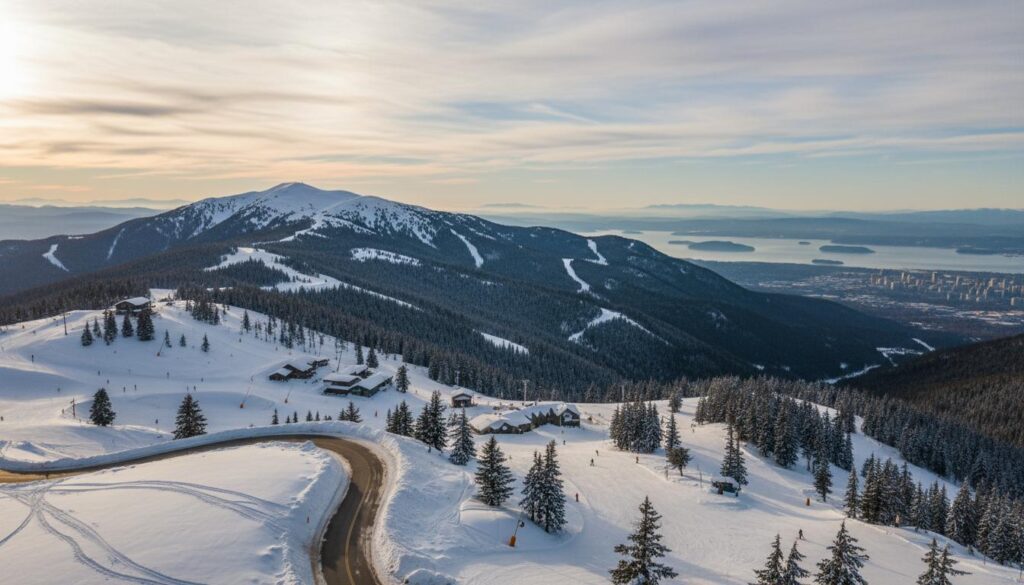
Cypress Mountain is where Vancouver’s city energy meets BC’s wild. In 30 to 40 minutes, you can leave a seawall coffee shop behind and find yourself on a chairlift, a snowy ridgeline, or a mossy boardwalk in an old-growth forest. For many Canadians—and countless visitors—this North Shore powerhouse is the go-to for quick ski laps, night sessions under the lights, family snow days, and summer hikes with blockbuster views over Howe Sound. This guide brings you everything you need to plan a smart, safe, and memorable trip to Cypress Mountain, with local tips, Canadian know-how, and details you won’t find on generic travel pages.
You’ll learn the best ways to get there without headaches, how to choose between the downhill and Nordic areas, where to hike for your skill level, how to handle winter driving rules in BC, which safety habits truly matter, and how to experience Cypress Mountain year-round as Vancouverites do. We’ll also cover money-saving strategies, food and drink ideas, accessibility options, and what’s realistic if you’re bringing kids or first-timers. If you’re wondering when to go, what to pack, or how to keep your day low-stress, you’re in the right place.
What Cypress Mountain Actually Is—and Isn’t
First, a quick orientation. “Cypress Mountain” is the popular name for the ski resort and recreation area perched above West Vancouver. The name can be confusing because there isn’t a single peak called “Cypress.” The resort operates within Cypress Provincial Park and spans two alpine summits—Black Mountain and Mount Strachan—plus the separate Hollyburn Ridge area for cross-country skiing and snowshoeing. The term “Cypress Bowl” refers to the valley between these peaks. The “cypress” in question isn’t the Mediterranean tree, either; it’s a nod to the local yellow-cedar, historically called “yellow cypress.”
Think of it this way. There are three primary zones, each with its own personality:
- Downhill Skiing and Snowboarding: Lifts, groomers, terrain parks, and night skiing, anchored around Black Mountain and Mount Strachan.
- Nordic Area on Hollyburn Ridge: Cross-country ski trails (classic and skate), signed snowshoe routes (some groomed, some backcountry), and a family-friendly tubing area.
- Cypress Provincial Park Hiking Trails (summer and shoulder seasons): Day hikes and nature loops including Bowen Lookout, Saint Mark’s Summit, Black Mountain/Cabin Lake, Hollyburn Peak, and Yew Lake.
Each zone has its own parking, tickets or passes, and etiquette. Understanding that early saves time and frustration once you arrive.
Where It Is and How to Get There
Cypress Mountain sits above West Vancouver on the North Shore of Metro Vancouver, British Columbia. From downtown, the trip can take as little as half an hour with light traffic, though that’s optimistic on powder days, weekends, and sunny summer afternoons. Expect winding mountain roads, rapidly changing weather, and occasional delays from accidents or snow clearing. Build in buffer time—your future self will thank you.
Driving Directions
From central Vancouver, head toward the Lions Gate Bridge, follow signs to Highway 1 (Trans-Canada Highway) westbound, then take the Cypress Bowl Road exit. From there it’s a sustained climb on a wide, well-maintained mountain road with pullouts and chain-up areas. Watch for wildlife at dawn and dusk and be patient with plows and sanders during storms. You’ll first reach the turnoff for the Nordic area on Hollyburn Ridge; continue higher for the downhill base.
Winter Tires and Mountain Road Rules
British Columbia requires winter tires on many mountain and high-traffic routes during the cold season. Cypress Bowl Road typically falls under these requirements. In practice that means:
- Use tires with the mountain snowflake (3PMSF) or “M+S” rating when winter tire rules apply. 3PMSF is the better choice for true winter grip.
- DriveBC and local signage will show when winter tire laws are in effect each season.
- Carry chains if you’re in a two-wheel-drive vehicle and expect heavy snow. Roadside checks do happen, and being turned around is a bad start to a powder day.
If you’re renting a car, ask explicitly about winter-rated tires and confirm what’s on the vehicle, not just what’s “available.”
Parking and Peak-Time Realities
Parking is limited and fiercely contested on weekends, holidays, and bluebird mornings. It’s common to see lots fill early after a snowfall. The resort and BC Parks have experimented with different management tools over the years—from paid parking to time-based controls and directed traffic—for safety and access. Always check the official Cypress Mountain website and BC Parks’ Cypress Provincial Park page the day before your visit to see if there are new parking rules, fees, or restrictions that apply during your window. Carpooling isn’t just polite; it often earns you a better chance of parking close to the action.
Shuttles and Buses
There’s no direct TransLink service to the ski area. Private shuttles connect downtown Vancouver and/or North Shore hubs (like Park Royal) with the mountain. Pre-book during peak times, show up early, and bring patience. If you’re visiting without a car or don’t want to deal with winter driving, the Cypress Mountain shuttle is the simplest choice.
Rideshare and Taxis
Rideshares operate in Metro Vancouver but availability fluctuates with weather and demand, and pickups from the mountain at closing time are not guaranteed. If you arrived by Uber, Lyft, or taxi, consider buying a return shuttle backup in case app-based rides dry up as the lifts shut down.
Why Cypress Mountain Works in Every Season
Winter brings the marquee draw: skiing, snowboarding, cross-country skiing, and snowshoeing, plus that distinct west coast snowpack—often deep, sometimes heavy, and shaped by Pacific storms. Night skiing is a local ritual; you can wrap a workday and still lap groomers under the lights. In spring, long sunsets and softer snow pair beautifully with patio season. By summer, the lifts are quiet and the hiking trails are the main event. Early fall can be the North Shore’s best-kept secret: crisp mornings, clear views, and fewer crowds before the first flurries return.
Because Cypress Mountain sits within a provincial park, you get the blend of a developed resort and genuine backcountry. The boundary ropes matter: inside the ski area, patrol manages hazards; outside, you’re in avalanche terrain, even if you’re a stone’s throw from a groomed run. In summer, those same ridgelines turn into well-loved hiking routes that stretch deep into Howe Sound Crest country. Respect both faces of the mountain and you’ll have a great time.
Downhill Skiing and Snowboarding at Cypress Mountain
If you live in Vancouver, Cypress often becomes your “home hill.” It’s the largest downhill ski area on the North Shore by skiable terrain, with a range that works for everyone from first-day beginners to riders chasing steeps when the snow stacks up. Here’s how to make the most of it.
Terrain Overview
Cypress spreads across two summits—Mount Strachan and Black Mountain—linked by a network of lifts and runs. Expect green cruisers near the base, blue groomers that shine on night sessions, and pockets of ungroomed terrain and glades that reward storm days. Each mountain has a slightly different feel: some folks swear by Black for laps with friends, others point to Strachan for a touch more pitch and variety. Follow the signage; if you’re new, a couple of exploratory runs will quickly tell you where you fit.
Night Skiing Culture
One of Cypress Mountain’s superpowers is night skiing. On clear evenings, you’ll carve under floodlights with views that take in English Bay and downtown’s skyline. On snowy nights, it feels like your own private storm. It’s also a strategic way to avoid peak daytime crowds and squeeze in laps after work or classes. Temperatures drop at night, so bring that extra layer and hand warmers.
Terrain Parks and Progressive Features
Terrain parks change throughout the season, but Cypress usually offers a variety of features set up for progression. If you’re just starting with boxes and small jumps, look for the easiest lines and warm up there. If you’re more advanced, stay humble early in the season when bases are thin and visibility can be fickle. Know and follow park etiquette and signage; it’s part of keeping the vibe good and the session flowing.
Lessons: Worth It, Even for “Experienced” Skiers
Whether you’re taking your first run or trying to break through a plateau, lessons pay back quickly. Cypress Mountain’s snow school offers group and private sessions, kids’ programs, and multi-week progressions. In Canada, instructors are typically certified through CSIA (ski) and CASI (snowboard), which emphasizes safe progression and modern technique. If you’re returning after a long break, a single private session can reset your stance and confidence fast.
Rentals and Gear Tuning
The on-mountain rental shop will get you on snow without dragging a big kit across town. Expect the usual: shaped skis or boards, boots, and helmets. If you’re serious about carving, consider a local tune shop in Vancouver or the North Shore for a proper wax and edge before a big trip. Maritime snow can swing from chalky to sticky with a quick temperature shift; a good wax matched to the day’s conditions makes a surprising difference.
Lift Tickets, Season Passes, and Saving Money
Lift ticket prices change over time and by demand. Two tried-and-true tips:
- Buy online in advance when possible; same-day window prices are typically higher.
- If you plan to ski or ride multiple days, investigate Cypress Mountain season passes or frequency cards. A few visits can quickly justify a pass if you stack them in prime months.
Students, youth, and seniors may qualify for discounts with valid ID. Families can stretch budgets by targeting weeknights, choosing half-day windows, and bringing their own snacks. As always, double-check details on the official site before you plan around any deal.
Etiquette on Busy Days
On powder mornings and Saturdays, you’ll share the hill with a lot of new friends. A few guidelines keep everyone moving:
- Merge politely in lift lines. Cypress uses gates and line corrals; pay attention to attendants.
- Know the Canada-wide Alpine Responsibility Code: control your speed, give downhill traffic the right of way, and stop only where you’re visible.
- Be patient with staff during storms. Visibility, wind holds, and avalanche control can delay openings but keep you safe.
If you feel your frustration rising, grab water, breathe, and adjust expectations. The snow will still be there in 10 minutes.
Nordic Skiing and Snowshoeing on Hollyburn Ridge
Hollyburn Ridge is Cypress Mountain’s quieter cousin and a favourite with families, fitness-minded locals, and anyone who prefers gliding over gravity. It’s a separate base area a few minutes below the downhill parking, with dedicated day lodge services, rentals, and tickets specific to Nordic skiing and snowshoeing.
Cross-Country Skiing
Groomed trails for both classic and skate skiing wind through the forest and around meadows with occasional viewpoints. The Nordic area offers lessons, rentals, and night skiing on select routes. If you’re new to cross-country, a beginner lesson saves you a lot of awkward falls and teaches efficiency—critical when you’re using every muscle in your body. Dress in light layers; you’ll sweat more than you expect.
Snowshoeing: Groomed vs. Backcountry
Hollyburn has signed snowshoe trails, some groomed and ticketed within the Nordic network, and others in the adjacent provincial park backcountry. Know which you’re choosing:
- Groomed Snowshoe Trails: Clearly marked, patrolled, and require a trail pass. Ideal for families and first-timers.
- Backcountry Routes: No pass required, but you are in wild terrain with changing conditions, unmarked hazards, and avalanche exposure in certain areas. Navigation skills, proper clothing, and the 10 essentials are non-negotiable.
A classic local objective is Hollyburn Peak, which delivers a beautiful panorama on clear days. Don’t be fooled by well-trodden tracks; storms routinely erase them, and whiteouts can transform an easy-angled ridge into a navigational puzzle.
Tubing and Family Fun
There’s a seasonal snow tubing area that’s a hit with kids and anyone who prefers laughter to technique. Book time slots ahead of peak weekends. Helmets are a good idea for tumbling fun, and warm, waterproof gloves will spare you from early exits.
Nordic Etiquette
Don’t walk or snowshoe in the set cross-country tracks. If you’re snowshoeing adjacent to a groomed area, give XC skiers space and avoid trampling parallel ski grooves. Leave the Bluetooth speaker at home; a quiet forest is part of the magic on Hollyburn.
Hiking Cypress Provincial Park: Trails, Views, and Caution
When the snow melts, Cypress Mountain turns into a hiking hub with routes that feel wild but remain accessible from the city. This is prime North Shore terrain: steep in places, rooty and rocky underfoot, and obsessively green. Weather swings fast. The payoff is serious: sweeping vistas of Howe Sound, alpine tarns, and a tapestry of ancient forest.
Bowen Lookout
Looking for the best effort-to-view ratio near Vancouver? Bowen Lookout is your ticket. Starting near the downhill base, the trail climbs steadily through forest to a wooden platform with a wide-angle view over Bowen Island and Howe Sound. It’s a short half-day outing—great for visitors, families, and sunset chasers. Bring a headlamp if you’re aiming for golden hour; the descent gets dark under the canopy.
Saint Mark’s Summit (Howe Sound Crest Trail segment)
Saint Mark’s Summit is a North Shore star: a longer hike that leads to dramatic cliff-edge lookouts above Howe Sound. On clear days, you’ll see the ocean’s inlets and mountain ridges stacking westward. It’s a proper intermediate hike with real elevation gain, roots, and mud after rain. Poles help on the descent. Stay well back from cliff edges—tragic falls happen on the North Shore every year. If cloud rolls in, don’t gamble with visibility. Turn back and try again on a clearer day.
Black Mountain and Cabin Lake
From the downhill base, a steeper loop climbs to the top of Black Mountain. The reward is a circuit past Cabin Lake and neighbouring tarns. In early summer, you may hit lingering snow—expect slow travel and fresh, cold air off the water. Fall brings fiery berries and quieter trails. Avoid swimming in fragile alpine lakes when posted; they’re sensitive ecosystems.
Hollyburn Peak
Hollyburn can be hiked in summer and snowshoed in winter. The summer trail threads through forest to ridge meadows and a summit with city and mountain views. In winter, it’s one of the North Shore’s classic snowshoe treks; in summer, it’s a workout with a view. Don’t underestimate the descent on muddy days—traction devices can be helpful well outside of winter.
Yew Lake and Accessibility
Just steps from the parking area near the downhill base, the Yew Lake loop is a short, mostly flat nature walk through old-growth forest and wetland edges. It’s an excellent choice for families with strollers, seniors, and anyone seeking a low-effort immersion in coastal rainforest. Seasonal interpretive signage explains the flora and the unusual “cypress” of Cypress—yellow-cedar, which thrives in cool, wet conditions.
Trail Etiquette and Safety
BC Parks manages Cypress Provincial Park for conservation and recreation. That means a few rules:
- Stay on marked trails. Cutting switchbacks damages slopes and encourages erosion.
- Keep dogs leashed where required and always under control. Pack out waste—bags left on the side of the trail are litter.
- No drones without a BC Parks permit. They disturb wildlife and other visitors.
- Open fires are prohibited in alpine and subalpine areas and often banned entirely during summer. Use a camp stove where permitted.
- Backcountry camping is restricted to designated sites and zones. Day-hikers: plan to return to your vehicle; most popular hikes are not designed for overnight use.
Pack the 10 essentials: extra layers, headlamp, map and compass (or offline GPS), first aid, food and water, sun protection, and emergency shelter. If something goes wrong, call 911 and ask for Police; they coordinate with local search and rescue teams. Put your phone in airplane mode with GPS on to preserve battery life and enable location sharing if needed.
2010 Winter Olympics Legacy
Cypress Mountain hosted freestyle skiing and snowboard events during the Vancouver 2010 Winter Olympics—moguls, aerials, and snowboard cross among them. The venue’s proximity to the city made for a spirited atmosphere and easy spectator access. That winter was notoriously warm; organizers hauled snow from higher elevations to keep the courses intact. It was a very Vancouver solution, and it worked. Today, the legacy lives on in improved infrastructure, visibility on the world stage, and a generation of local riders who grew up thinking Olympic-level terrain is “just up the road.”
Weather, Snowpack, and Avalanche Awareness
The South Coast snowpack is maritime: dense, often deep, and highly variable. Storms roll in straight off the Pacific, delivering impressive totals and then swinging to warm, wet fronts locals call pineapple expresses. On the hill, that might mean hero snow one day and heavy cream the next. For skiers and riders, wax accordingly and tune edges regularly; for hikers and snowshoers, be ready for ice in the morning and slush by afternoon.
Avalanche Terrain Starts at the Rope
Inside the resort, ski patrol manages avalanche risk. Outside, you’re on your own. The Howe Sound Crest Trail, Black Mountain backcountry, and the steeper bowls near Mount Strachan can all load dangerously during and after storms. If you plan to travel outside the ski area, check Avalanche Canada’s daily forecasts for the Sea to Sky or South Coast Inland regions (depending on the specific area), carry beacon, shovel, and probe, and know how to use them. Start with an AST 1 course (Avalanche Skills Training Level 1) before venturing into real terrain. If that’s not on the agenda yet, stay on groomed or signed routes.
Microclimates and Visibility
Cypress Mountain builds its own weather. It can be raining in Kitsilano and nuking snow 900 metres higher, or blue skies downtown and a whiteout up top. Fog is common. Carry a lens cloth for goggles, stash a buff to protect your face, and pack a spare layer even on mild days. When fog rolls in, stick to trees for contrast and use wayfinding signs religiously.
Driving Conditions and Road Info
Check DriveBC for live webcams, incident reports, and winter tire advisories. Fresh snow looks friendly in social media posts; on a two-lane mountain road, it tests your braking, spacing, and patience. If you’re not comfortable in these conditions, take the shuttle and have a better day.
Food, Drink, and Where to Refuel
On the mountain, you’ll find cafeteria-style options for a quick warm-up, plus a sit-down bar-and-grill scene that’s perfect for après on a clear afternoon. Expect familiar resort fare: soups, burgers, poutine, and hot drinks. Lines can be long at peak lunch; offset by eating early, late, or packing food and grabbing an outdoor table. Many locals stash a thermos and sandwiches in the car for quick transitions between laps.
Down the hill, West Vancouver’s Park Royal area offers a full range of restaurants, groceries, and cafes. If you’re staying longer, the North Shore has an excellent craft beer scene and plenty of relaxed, kid-friendly spots. If it’s your first time in Canada, yes—hitting a late-evening diner in your ski gear is completely normal here.
What It Costs and How to Budget
Prices evolve each season. Treat the ranges here as planning anchors, and always confirm current rates:
- Downhill Lift Tickets: Expect dynamic pricing; weekdays and evenings usually cost less than peak weekends.
- Season Passes and Frequency Cards: Best value if you ski or ride several days per season.
- Rentals: Typical for skis/board, boots, and helmet. Bringing your own helmet is smart and often more comfortable.
- Nordic Trail Passes: Separate from downhill; less expensive than lift tickets and great for fitness days.
- Shuttle: Round trips add up but may be cheaper than renting a car with winter tires plus parking.
- Food: On-mountain meals are priced like most Canadian resorts; off-mountain dining provides more variety for the dollar.
Add a small safety margin to your budget for last-minute needs: extra gloves, wax, a headlamp, or that mandatory hot chocolate after a cold lap.
Accessibility and Inclusive Programs
Vancouver’s adaptive snow sports community is active on the North Shore. Adaptive skiing and snowboarding programs run with trained instructors and specialized equipment, opening the mountain to Canadians with disabilities of all kinds. If you or a family member could benefit from guided adaptive instruction, inquire well in advance—spots are popular. In summer, the Yew Lake area is your best bet for barrier-reduced nature access close to the parking area, with a relatively level path and interpretive signage.
Family Tips for Cypress Mountain
Bringing kids to the mountain can be magic if you prep well. A few real-world strategies:
- Layer Up: West Coast mountain weather is wet-cold, not dry-cold. Waterproof outer layers and warm mid-layers work better than a single heavy coat.
- Gloves, Not Mittens… Or Maybe Mittens: Younger kids tend to run warmer with mitts. Pack spares either way; once hands are wet, the clock is ticking.
- Snack Stashes: Pocket snacks keep morale high in lift lines or on a ski school meeting area. Avoid nut-heavy mixes if you’re sharing space with other families.
- Short Windows: Aim for success, not all-day heroics. Two great hours beat six cranky ones.
- Night Sessions: Older kids love them; younger ones may fade fast in the cold. Plan a warm-up break indoors.
Book lessons early in the season, label everything, and snap a quick photo of your child’s outfit before drop-off—it’s surprisingly helpful at pickup in a sea of similar helmets and jackets.
Comparing Cypress with Grouse and Seymour
Vancouver is blessed with three North Shore ski areas, each with a different DNA. Picking one isn’t about which is “best” so much as what you want that day.
- Cypress Mountain: Largest terrain, strong night-skiing scene, and distinct downhill/Nordic zones. Often the first pick for a full-on ski or snowboard day with variety.
- Grouse Mountain: The “Peak of Vancouver” vibe, aerial tram access from the city, and a destination-style experience with skating, dining, and city views, plus skiing and riding on top.
- Mount Seymour: A friendly, low-key atmosphere with rolling terrain that’s great for progression, and a devoted local community. Excellent snowshoeing and tobogganing options.
If you’re visiting for a few days in winter, trying two hills gives you a feel for the North Shore’s range without leaving Metro Vancouver.
Responsible Travel: Park Rules and Wildlife
Cypress Provincial Park protects sensitive ecosystems and serves as a vital wildlife corridor. Bears, coyotes, and cougars live here, along with smaller creatures you may never see but can easily impact. A few habits go a long way:
- Keep wildlife wild. Never feed animals and store food securely in vehicles.
- Respect closures. Seasonal trail closures protect nesting birds, sensitive wetlands, or areas recovering from erosion.
- Pack out everything. That includes orange peels, tissue, and “biodegradable” items that don’t break down in alpine conditions.
- Use washrooms where provided and follow Leave No Trace if you must go outdoors.
BC Parks staff and volunteers work hard to balance conservation with access. A little courtesy gives the next visitor the same experience you enjoyed.
Suggested Itineraries for Real People
Winter: After-Work Night Ski
Leave downtown by 4:30 pm, arrive by 5:15–5:30 depending on traffic, and be on snow by six. Warm up on a couple of groomers, grab a quick bite at the base, and keep an eye on fog rolling in. Pack a thermos in the car for the drive home. It’s the Vancouver classic: two to three hours that reset your week.
Winter: Family Nordic Morning
Be at the Hollyburn lot early. Rent gear the night before if possible or arrive right at opening to skip the queue. Start with a groomed snowshoe loop or beginner XC track, break for hot chocolate, and call it before lunch if the kids fade. Hit Park Royal for a late lunch on the way back.
Summer: Saint Mark’s Summit Sunrise
Check sunrise times, bring headlamps and extra layers, and start early while the trail is quiet and cool. Eat breakfast at the viewpoint if the wind cooperates. On the way down, detour to Bowen Lookout if legs allow. Be back at the trailhead before the heat builds, and grab coffee in Ambleside to round off the morning.
Shoulder Season: Yew Lake + Short Explore
When the snow hasn’t fully melted or storms linger, the Yew Lake path offers a safe, easy wander to stretch the legs. If conditions look good, extend onto nearby signed trails; if in doubt about snow or ice, keep it short and savour the forest scent after a rain.
Planning Checklist
| Topic | What to Do | Local Tip |
|---|---|---|
| Weather & Snow | Check resort conditions and webcams the morning of your trip. | Coastal storms move fast; forecasts can change overnight. |
| Roads & Tires | Confirm winter tire requirements on DriveBC; bring chains if needed. | Don’t rely on rental desk promises—inspect the sidewall for 3PMSF or M+S. |
| Tickets/Passes | Buy online in advance for better pricing and availability. | Off-peak windows (evenings, weekdays) stretch your dollar. |
| Parking/Shuttle | Check current parking rules and reserve a shuttle when busy. | Carpool to improve your odds of a close spot and reduce congestion. |
| Safety Gear | Helmet, layers, headlamp, and 10 essentials for hiking or snowshoeing. | Stash a spare mid-layer in the car; evenings get cold fast. |
| Avalanche Risk | Staying inbounds? Follow patrol. Going out-of-bounds? AST 1 + beacon/shovel/probe. | Check Avalanche Canada before each backcountry day. |
| Food & Water | Pack snacks and a water bottle to cut down on cafeteria lines. | Thermoses are worth the weight on cold or rainy days. |
| Etiquette | Follow Alpine Responsibility Code and park rules. | Smile at lifties and groomers—they keep the mountain moving. |
Insider Tips You’ll Actually Use
• Time your arrival. On weekends after a snowfall, be early or aim for later in the day; noon arrivals can be rough for parking and lift lines.
• Bring two pairs of gloves. Wet hands end days early.
• Keep a towel in the car. West Coast slush happens; you’ll thank yourself.
• Goggles matter. Carry a low-light lens—fog and flat light are common.
• Print or download a trail map. Phone batteries tank in the cold; offline copies save hassle.
• Respect closures. Ducking ropes isn’t edgy; it’s dangerous and can close terrain longer for everyone.
• For summer hikes, start early. Trails are cooler, quieter, and safer when you have daylight margin.
• Don’t depend on cell coverage. It’s spotty in places; tell someone your plan before you go.
Sustainability and Cultural Respect
Cypress Mountain stands on the traditional territories of Coast Salish peoples including the Squamish and Tsleil-Waututh Nations. The mountain is more than a playground; it’s a living landscape with deep histories. Whether you’re carving corduroy or standing silent at a viewpoint, consider the privilege of being there. Practically, that means minimizing your footprint, packing out waste, and supporting stewardship efforts that keep the North Shore healthy for generations.
Common Mistakes—and How to Avoid Them
• Showing up without winter tires. It’s not optional when the law is in effect, and you risk a ticket or being turned around.
• Overdressing for Nordic skiing. You’ll sweat; layer light and carry a breathable shell.
• Ignoring avalanche risk beyond resort boundaries. If you don’t have the training and gear, stay inbounds or on signed snowshoe trails.
• Hiking Saint Mark’s on a storm day. The views aren’t going anywhere; save it for clear weather and avoid cliff-edge hazards in low visibility.
• Late lunches. Beat the cafeteria rush with an early or late meal—or pack your own.
• Parking roulette. On peak days, plan for shuttles or accept a longer walk. Don’t block access or park illegally; towing on mountain roads is more common than you think.
Is Cypress Mountain Good for Beginners?
Yes. Cypress Mountain has gentle terrain near the base, designated learning areas, and a strong lesson program. Night skiing often eases crowds and allows slower learning without pressure. If you’re brand new, book a beginner package that bundles lessons, rentals, and a restricted-area ticket so you can focus on building skills before exploring more of the mountain. For snowshoe or Nordic first-timers, start on the Hollyburn side’s green trails or guided snowshoe routes.
Year-Round Packing Lists
Winter: Downhill or Snowboard
Helmet, goggles (low-light lens), waterproof jacket and pants, insulated mid-layer, base layers, warm socks (no cotton), waterproof gloves or mitts, neck warmer, hand warmers, water bottle, snacks, small first-aid kit, and a dry change of clothes for the car. If backcountry: beacon, shovel, probe, map, and headlamp.
Winter: Nordic or Snowshoe
Breathable jacket, wicking layers, light gloves (plus a backup), toque, microspikes if conditions are icy, trail pass if using groomed trails, and the 10 essentials for backcountry routes. A thermos of tea or soup never hurts.
Summer: Hiking
Trail runners or hiking boots, hat, sunscreen, bug repellent (on buggy days), 1–2 litres of water, snacks or lunch, lightweight shell, map or offline GPS, headlamp, and trekking poles if knees appreciate support on descents. Add microspikes in shoulder seasons when snow lingers or mornings start icy.
Realistic Time Estimates
• After-work night ski: 2–3.5 hours on snow, door-to-door maybe 4.5–5.5 hours depending on traffic.
• Bowen Lookout: A short hike; allow a relaxed half-day including travel and photos.
• Saint Mark’s Summit: Plan a half day to a full day depending on pace and conditions.
• Black Mountain/Cabin Lake: Solid half-day, more with lake lounging and photo stops.
• Hollyburn Peak snowshoe: Half-day with breaks; longer if trail-breaking after storms.
Photography and Best Viewpoints
• Bowen Lookout: Sunset over Howe Sound with Bowen Island in the foreground.
• Saint Mark’s Summit: Classic cliffside compositions. Stay back from the edge, especially in wind.
• Black Mountain: Lakes and meadows for quiet reflections at golden hour.
• Night Skiing: City lights and chairlifts—shoot with a fast lens and brace for low light.
Drones are prohibited in BC Parks without a permit; ground-based creativity is still more than enough here.
Final Thoughts: Cypress Mountain as a Local Habit
Cypress Mountain isn’t just a destination; it’s a habit worth cultivating. Weeknight laps that clear your head. Quick hikes that reboot your weekend. Rain, snow, or shine, the mountain gives back as much as you put in. Arrive prepared, respect the place, and move with the weather rather than against it. Do that, and Cypress becomes what it is for so many people in Metro Vancouver: a reliable escape, right there when you need it.
FAQ
How do I get to Cypress Mountain without a car?
Book a private shuttle from Vancouver or the North Shore. There’s no public transit to the resort. Shuttles are busiest on weekends and powder days; reserve in advance and arrive early.
Do I need winter tires to drive up Cypress Bowl Road?
When winter tire regulations are in effect, yes. Check DriveBC and signs at the base of the road. 3PMSF (mountain snowflake) tires are strongly recommended; M+S meets the minimum in many areas but offers less traction. Carry chains if advised.
Is there night skiing at Cypress Mountain?
Yes. It’s a signature experience on the North Shore. Operating hours vary by season and conditions—confirm on the official website before you go.
What’s the difference between the downhill and Nordic areas?
The downhill base serves lift-accessed skiing and snowboarding on Black Mountain and Mount Strachan. The Nordic base on Hollyburn Ridge serves cross-country skiing, snowshoe trails, and a tubing area. They have separate parking, tickets, and rental shops.
Are dogs allowed?
In Cypress Provincial Park, dogs are allowed on many hiking trails but must be leashed where posted. In winter, dogs are not permitted on groomed Nordic ski trails. Always check current BC Parks rules and respect signage.
Can I camp overnight in the park?
Backcountry camping is restricted to designated areas and subject to BC Parks regulations. Most popular day-hike destinations do not have frontcountry campgrounds. Check the official park page for current allowances and fire restrictions before planning an overnight.
Is Saint Mark’s Summit dangerous?
Like many North Shore hikes, it has hazards—steep sections, roots, mud, and exposed viewpoints with cliff edges. In poor visibility or winter conditions, risk increases. Go in good weather, wear proper footwear, carry the 10 essentials, and keep well back from edges.
Where can beginners learn to ski or snowboard?
Cypress Mountain’s snow school offers beginner packages, group lessons, and private coaching. Booking in advance is recommended, especially on weekends and holidays.
How crowded does Cypress get?
It’s close to the city, so weekends, holidays, and powder days draw crowds. Arrive early, consider weeknights, and use shuttles when parking is tight. Crowds typically thin during dinner hours on night-skiing evenings.
What’s the best month to ski Cypress Mountain?
Conditions vary year to year. Mid-winter often brings the most consistent snow, while spring delivers longer days and softer turns. Check the daily snow report and webcams—coastal weather keeps you humble.
Are drones allowed for photography?
No. Drones are not permitted in BC Parks without a permit. Respect the rules and other visitors’ experience.
Can I snowshoe anywhere?
You can snowshoe on signed routes within the Nordic area (with a pass) and in designated backcountry areas of the park. Stay off groomed cross-country tracks and avoid avalanche terrain unless you’re trained and equipped.
Is there cell service on the mountain?
Service is patchy. Don’t depend on it for navigation or emergencies. Tell someone your plan and carry a headlamp, map, and extra battery.
What about refunds if the weather turns?
Refund and credit policies vary by product (lift tickets, lessons, shuttle). Review the terms at purchase and consider trip insurance for bigger bookings. On storm days, flexibility is your friend.