
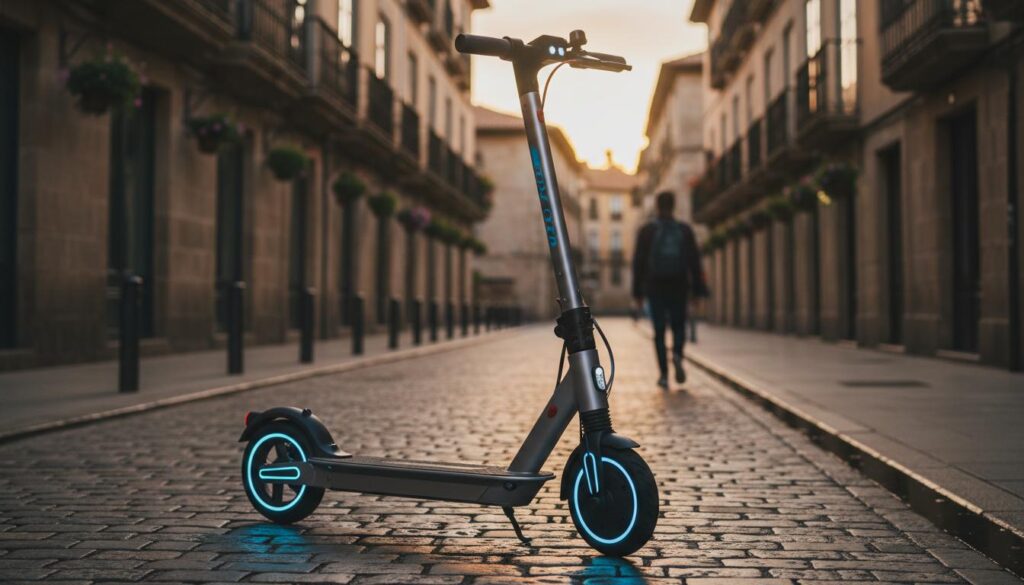
You see them gliding past morning traffic, popping up near transit stations, and stacked neatly along river paths once the snow melts. The electric scooter has moved from novelty to normal in Canadian cities—faster than many people expected. But if you’re considering one for your daily commute or weekend errands, you probably have questions. Will I actually save time? What’s the real cost? Can I ride it where I live? How does winter change things? And how do I avoid buying the wrong model?
This guide is designed for Canadian riders and would-be riders. It lays out how electric scooters work, how to choose the right one for our climate and terrain, where you can legally ride in Canada, and how to maintain your scooter so it lasts. You’ll also get hard numbers on range and charging costs, practical tips for cold and wet weather, a plain-language breakdown of safety gear and battery standards, and a candid look at scooter sharing programs in Canadian cities. Whether you’re eyeing a lightweight commuter or a long-range machine for hilly routes, you’ll find clear, actionable advice without the fluff.
What Counts as an Electric Scooter (and Why Canadians Are Adopting Them)
An electric scooter—often called an e-scooter or electric kick scooter—is a stand-up, two-wheeled device with a platform (deck), handlebars, and a battery-powered motor. Most commuter models fold, weigh between 12–25 kg, and top out around 25–35 km/h (where permitted). Unlike mopeds or e-bikes, there’s no seat by default, and you control speed with a thumb throttle and brake levers.
Why the surge in interest across Canada? Three reasons lead the pack. First, time. For short trips under 8–10 km, a scooter often beats buses caught in traffic, especially if you can hop onto a bike lane or multi-use trail. Second, cost. Compared to car ownership or frequent ride-hailing, the math tilts heavily toward an e-scooter after just a few months of use. Third, storage and parking. In downtown condos, a folding scooter fits where a bike can be awkward. No circling the block. No winter car warm-up. And no parking tickets.
There’s also the simple fact that cities are changing. Protected bike lanes are expanding. Transit authorities are creating better first-mile/last-mile connections. And for many people, an e-scooter turns a “maybe I’ll go” errand into a “sure, why not” ride—especially on sunny days.
How Electric Scooters Work (Without the Jargon)
Most scooters use a brushless hub motor (in the front or rear wheel) rated between 250 W and 1000 W continuous. Higher wattage means stronger hill-climbing and faster acceleration, but it also draws more power and may push you into performance territory you don’t need for city riding. The battery, measured in watt-hours (Wh), determines range. A 360 Wh pack (for example, 36 V at 10 Ah) might yield 18–25 km in mild weather at modest speeds, while a 720 Wh pack can double that under similar conditions.
Range isn’t just about battery size, though. Rider weight, speed, hills, wind, and temperature all matter. Lithium-ion batteries are like people in winter: they don’t love the cold. Expect a noticeable drop in range when it’s near freezing, and a bigger drop below -10°C. If you live in Calgary or Winnipeg and plan to ride shoulder seasons, factor in a buffer.
Braking systems vary: disc brakes (mechanical or hydraulic), drum brakes, electronic (regenerative) braking, or a mix. Dual braking—one mechanical, one electronic—is common in commuter scooters and provides redundancy. Tire type also changes the ride. Pneumatic (air-filled) tires cushion bumps and grip better on rough asphalt. Solid or honeycomb tires can’t puncture but transmit more vibration and can be skittish on wet surfaces. Larger diameters (10 inches vs. 8) handle potholes and cracks with more composure.
Why Choose an Electric Scooter in Canada?
Canada’s urban geography makes the case. Distances are often too far to walk comfortably yet too short to justify a car. A folding electric scooter closes that gap. In Vancouver, it cuts a 30-minute crosstown bus-to-bus transfer into a 12-minute glide along protected lanes. In Montreal, it avoids the parking hunt in Plateau. In Halifax or Victoria, it turns hills you’d dread on a bike into manageable climbs—provided your scooter has the motor for it.
Then there’s the budget story. Electricity is cheap here. The typical scooter battery is 400–700 Wh. Most provinces charge between roughly $0.10 and $0.20 per kWh. A full charge for a 500 Wh battery costs around $0.05–$0.10. Many riders use less than a full charge per day. You could commute all week for well under the price of a single transit fare in some cities. And unlike a bicycle, you don’t show up sweaty to a meeting in July.
Of course, scooters aren’t for every errand. If your city bans them on public roads, if winter ice is a reality for five months, or if your route is full of steep grades and cracked pavement, you’ll need to choose carefully or pick a different micro-mobility option. But for short urban trips on decent infrastructure, they’re hard to beat.
The Legal Landscape in Canada: Where You Can Ride, and Where You Can’t
In Canada, rules for electric scooters are set provincially and then often customized by municipalities. There’s no single federal law that says e-scooters are street-legal nationwide. Instead, provinces authorize or pilot their use, and cities decide where they can go—bike lanes, multi-use paths, low-speed roads—and what safety equipment is required. That can be frustrating, but it also means progress is being made city by city. Always check your local bylaw and provincial guidance before riding.
Provincial and Municipal Snapshot (Subject to Change)
The following summary reflects common frameworks in large Canadian jurisdictions. Because bylaws evolve, verify current rules on your city and province websites, especially regarding sidewalk use, speed limits, helmet requirements, and age minimums.
| Province/Territory | General Framework | Notable City Examples | Typical Conditions |
|---|---|---|---|
| Ontario | Provincial e-scooter pilot allows municipalities to opt in. | Toronto prohibits on public streets/sidewalks; Ottawa permits with local rules. | Min age often 16; helmets required under 18; speed caps around 24 km/h; sidewalks typically off-limits. |
| British Columbia | Provincial electric kick scooter pilot in designated municipalities. | Vancouver participates; several cities in the Okanagan and Lower Mainland have participated. | Helmet required; allowed on certain bike lanes/roads; sidewalks generally prohibited; local nuances apply. |
| Alberta | Municipalities set rules for paths, bike lanes, some roads. | Calgary and Edmonton allow e-scooters with defined zones and speed limits. | Commonly allowed on multi-use pathways and bike lanes; local no-ride zones and parking rules. |
| Quebec | Rules enabled via provincial pilots and municipal bylaws. | Montreal has restricted shared scooters and enforces strict parking; private use varies by area. | Helmet frequently required/encouraged; operation typically confined to bike paths/low-speed roads where authorized. |
| Saskatchewan | Municipal authority to permit and regulate. | Saskatoon and Regina have allowed shared e-scooters with city rules. | Use on bike lanes, pathways, and some low-speed streets; helmets encouraged and sometimes required. |
| Manitoba | Evolving; local pilots and rules vary by municipality. | Winnipeg’s approach has changed over time; check current bylaws. | Expect restrictions on roads unless explicitly permitted; trail access may be allowed. |
| Atlantic Provinces | Varies by province and city; some pilots, some restrictions. | Halifax has explored or piloted options; details change—confirm locally. | Often limited to specific paths and lanes; helmet usage emphasized. |
| Territories | Limited formal frameworks; local discretion. | Check city or community rules. | Seasonal and infrastructure constraints are significant. |
A few constants show up across Canada. Sidewalk riding is usually illegal for adult riders. Helmets are either mandatory or strongly encouraged. Shared scooter providers must geofence slow zones and no-go areas, and private riders are expected to follow the same spirit of the rules. And yes, enforcement varies—expect stricter oversight in downtown cores.
Licensing, Insurance, and Registration
In most provinces, electric scooters do not require a driver’s license, registration, or motor-vehicle insurance to operate where they’re permitted, but they must meet specific definitions (for example, no seat, weight and speed limits, and certain safety features). Municipalities can add their own rules, and private property (like malls and campuses) may set separate policies.
What about insurance? A standard home or tenant policy often includes personal liability coverage, which may apply to e-scooter incidents. That said, insurers differ on how they treat “motorized devices.” If you ride regularly in traffic or use a scooter for work (delivery, inspections), speak with your broker about supplemental liability coverage. Keep proof of purchase and serial numbers, and document modifications—insurers care about those details.
How to Choose the Right Electric Scooter for Canadian Conditions
Start with your route, not the spec sheet. How far is your daily ride, really? What’s the elevation profile? How rough are the roads? Can you charge at work? Is your building okay with lithium batteries inside? These answers narrow your choices faster than any “best scooters” list.
Match the Scooter to the Use Case
Short, flat commutes under 6–8 km with decent bike lanes? A lightweight commuter scooter with a 350–500 W motor and ~360–500 Wh battery is usually enough. You’ll appreciate the lighter weight going up condo stairs or onto an elevator. Look for 10-inch pneumatic tires, a decent headlight, and an IP rating (at least IP54) for drizzly days.
Moderate distances (8–20 km one-way) or hilly routes (North Vancouver, parts of Halifax and Quebec City) push you into more robust mid-range models. Aim for 600–1000 W motors (or dual 500 W), 600–900 Wh batteries, hydraulic or well-tuned mechanical disc brakes, and good water protection. Expect extra weight, often 20–30 kg. Your reward: stable handling, real-world 25–45 km range, and the power to hold 20–25 km/h uphill.
Long-range or mixed-surface riding (gravel paths, rough pavement) suggests larger tires, reinforced decks, and possibly dual motors for traction. These can top 30 kg and cost significantly more. If you don’t need the power daily, consider whether you’re paying for ego or utility. A performance scooter is impressive on a hill, but carrying it upstairs is another story.
Specs That Actually Matter (and How to Read Them)
Motor power: Continuous wattage tells more than “peak.” A truly useful city scooter sits at 500–1000 W continuous for varied terrain. Dual motors aren’t mandatory for commuting but help on steep, wet, or loose surfaces. Front motor scooters can lose traction in the rain when braking hard—rear or dual setups feel more planted.
Battery capacity: Watt-hours (Wh) is your yardstick. To estimate range, divide capacity by expected consumption. A typical Canadian consumption rate, mixing stops, hills, and cool weather, is roughly 15–25 Wh per kilometre. So a 540 Wh battery might deliver 22–36 km under real-world conditions. Cold knocks that down further. Riding slower (18–22 km/h) and keeping tires properly inflated can stretch range noticeably.
Brakes: Hydraulic disc brakes offer strong, consistent stopping with less hand effort—great in rain. Mechanical discs are fine when maintained and adjusted. Drum brakes are low-maintenance and weather-resistant but can feel less powerful. Electronic braking is a nice supplement, not a substitute.
Tires: Ten-inch pneumatic tires with quality rubber are the sweet spot for grip and comfort on Canadian roads. If you must go solid to avoid flats, pick honeycomb designs and accept the trade-offs. Consider puncture-resistant tubes or sealant for air-filled setups, especially if your city uses aggressive road salt or you ride near construction zones.
Ingress protection (IP): IP54 means protected against dust and splashes; IP55 or IPX6 improves resilience in heavy rain. No scooter likes pressure washing. Water-resistant does not mean waterproof—avoid submerging hubs or letting water pool around deck seals.
Weight and folding: Under 16 kg feels manageable on stairs; 18–23 kg is doable but awkward; beyond that, treat it like you would a compact e-bike—roll it whenever possible. Try the folding mechanism in person if you can. A secure, wobble-free stem is not optional.
Price Ranges in Canada (CAD, Realistic)
Budget (approximately $500–$900): Simple commuter scooters with 250–500 W motors and smaller batteries. Good for short, flat trips and lighter riders. Don’t expect strong hill performance or long range in winter.
Mid-range ($900–$1,800): The sweet spot for most Canadians. 500–1000 W motors, 500–800 Wh batteries, larger tires, better brakes, and sturdier builds. If you ride daily in mixed weather, start here.
Performance ($1,800–$3,500+): Dual motors, big batteries (900 Wh+), hydraulic brakes, and premium suspension. Great for hills and long rides, sometimes overkill for urban commutes. Heavier and bulkier to store.
Where to buy: Canadian retailers and brands matter for warranty and parts. You’ll find options at specialty micro-mobility shops, big-box stores (with limited selection), and direct-to-consumer brands that ship from Canadian warehouses. A few names you’ll encounter regularly include Canadian-founded brands, international makers like Segway-Ninebot, Kaabo, Inokim, and entry-level choices sold through major retailers. Look for clear warranty terms, local service partners, and readily available brake pads, tires, and chargers.
Safety Essentials: Gear, Visibility, and Riding Habits
Helmets save your day. A well-fitting, certified bike or urban-style helmet with MIPS or equivalent rotational impact protection is a smart baseline. Some riders upgrade to light full-face or enduro-style helmets for higher-speed scooters. In most provinces, helmets are required for minors and often encouraged or mandated for adults on e-scooters through bylaws or pilot conditions.
Gloves protect hands in a fall and keep fingers warm in spring and autumn. Bright, reflective outerwear makes you pop in low light. Powerful front lights (400+ lumens) and a bright rear light increase visibility on unlit paths; add a helmet light to aim where you look. A bell or electronic horn helps on mixed-use trails—announce early and pass with room.
Adopt a defensive posture in traffic. You’re quiet and small compared to cars. Take the lane when necessary, signal with your arm well before turns, and ease off the throttle at intersections. Wet leaves and steel plates are slick. Painted crosswalks in the rain can feel like ice. Scan for pedestrians stepping off curbs while staring at their phones. And keep two hands on the bars; coffee can wait two blocks.
Weather Reality Check: Rain, Cold, and Shoulder Seasons
Rain is part of the deal in Vancouver, Victoria, and coastal cities. Choose a scooter with real water resistance and fenders that actually block spray. Add a small mudguard extension if your deck gets soaked. Stop sooner and smoother—braking distances increase on wet pavement. Check tire pressure more often; it drops faster with temperature swings.
Cold weather is trickier. Lithium-ion chemistry slows down. You’ll feel the throttle lag on near-freezing mornings, and range drops 20–40% depending on the scooter and conditions. If you must ride in the cold, store and charge the battery indoors around 20°C, leave with a full or near-full charge, and keep speed moderate. Never try to rapid-charge a freezing battery, and avoid leaving the scooter outside for long stretches in subzero temperatures.
Snow and ice? Most commuter scooters are not designed for true winter riding. Even with knobby tires, braking and cornering on ice are dicey. Salt also accelerates corrosion. If you’re determined to ride in light snow, wash salt off the deck and metal components with a damp cloth afterward and dry thoroughly. Grease exposed bolts and check bearings more frequently. Realistically, many Canadian riders park their scooters during the deepest winter and return once roads are clear.
Battery and Charger Safety: Certifications and Best Practices
Battery fires are rare, but they get attention for a reason. Treat charging with respect. In Canada, look for products and chargers with recognized safety certifications (CSA, UL, ETL). For electric scooters, UL 2272 is commonly referenced for electrical system safety on rideables, and many reputable brands use certified battery packs and chargers. Chargers should also carry a recognized certification mark for use in Canada. Avoid off-brand chargers or DIY battery swaps that bypass battery management systems (BMS).
Practical safety tips that matter:
- Use the original charger or a manufacturer-approved replacement.
- Charge on a hard, non-flammable surface away from bedding and paper. Never under a pillow or on a couch.
- Do not charge unattended overnight. Unplug when full.
- Keep batteries away from direct heat sources and out of freezing garages during winter.
- If the deck or battery area is damaged, swollen, or smells of solvents, stop riding and contact the seller or a qualified technician.
- For condos and rentals: check building policies. Some strata and property managers have specific rules about storing and charging lithium batteries.
Maintenance: A Simple Routine That Extends Scooter Life
An electric scooter is a small machine doing big work. A 10-minute weekly check pays off. Inspect tires for embedded glass or sharp stones. Verify pressure, especially after cold nights. Squeeze both brakes; if the lever pulls too far, adjust it or book a tune-up. Check that the stem latch closes firmly without play. Spin wheels to listen for gritty bearings. Make sure lights and the bell work.
Monthly or every few hundred kilometres, check brake pads for wear, true the rotors if they rub, and tighten deck and stem bolts with the correct torque. Lubricate folding joints sparingly with a dry lube—oil attracts grit. If your scooter has a suspension, wipe down stanchions and inspect bushings or linkages. After heavy rain rides, dry the scooter and open rubber port covers to release moisture. Corrosion creeps in quietly; staying ahead of it is easier than fixing it.
At the season change, consider a deeper service: inspect internal wiring for chafe points, reseal grommets if they’ve loosened, refresh grip tape, and replace tubes or tires that are tired. Keep a small kit: multi-tool with hex keys, tire levers, spare tube or patch kit, mini pump or CO2 inflator, and a compact first-aid pouch. In Canada, local scooter shops are growing; having a trusted service point nearby is worth it.
Range and Power, Quantified: Get Honest About Your Route
If your round trip is 20 km, a 540 Wh scooter might handle it on a mild day at comfortable speeds—with little reserve. But add headwinds, 5°C air, and a few hills, and you’ll be limping home. Give yourself at least a 30% buffer over your typical daily distance, more in colder provinces or if you ride faster than 22–24 km/h.
A simple way to estimate consumption:
- Flat, warm, easy pace: 12–16 Wh/km for a 75 kg rider.
- Mixed urban, mild temps: 15–22 Wh/km for 75–90 kg riders.
- Hilly or cold: 20–30 Wh/km.
Example: You weigh 85 kg and ride 10 km each way through rolling terrain in Calgary at 15–20 km/h. Expect about 18–24 Wh/km. A 720 Wh battery delivers about 24–40 km in those conditions, so you’re safe round-trip with margin—especially if you can top up at work.
Hill performance depends on torque, not just advertised top speed. A single 350 W motor may stall or crawl on 10% grades with a heavier rider. A good 500–700 W rear motor will climb steadily. Dual 500 W motors flatten most Canadian hills but draw more energy; you’ll feel the range hit if you use that power often.
Costs: Purchase, Charging, and the Real ROI
Upfront cost is obvious. Long-term numbers are where electric scooters shine for city trips. Electricity in many provinces ranges around $0.10–$0.20 per kWh. If you use 500 Wh per day, you’re spending roughly $0.05–$0.10 daily on power. Over 1,000 km at 20 Wh/km, you’ll consume 20,000 Wh, or 20 kWh—about $2–$4 in electricity. Tires, tubes, and brake pads are your main consumables, plus occasional cables or bearings. Even with conservative maintenance and parts replacement, many riders land well below the monthly cost of unlimited transit or car ownership.
Resale matters too. Well-known brands with Canadian distribution hold value better, especially if you keep receipts and maintain the scooter. If you think you’ll upgrade within a year, buy something mainstream that’s easy to resell locally.
Transit and Travel: The Practicalities
Combining an electric scooter with transit works best in cities that permit devices on board when folded and clean. Policies vary widely. Some agencies allow folded scooters during off-peak hours only; others prohibit powered devices outright. Before your first attempt, check your transit provider’s rules and plan a fallback if you’re turned away.
Air travel is nearly always a no-go. Most electric scooters have batteries far larger than airline limits for carry-on lithium-ion packs (often capped around 100–160 Wh with special permission). Shipping by courier requires hazardous materials procedures. If you need mobility at your destination, consider renting a scooter there instead of trying to fly with your own.
Scooter Sharing in Canadian Cities: How It Works (and What to Expect)
Shared e-scooters pop up each spring in several Canadian cities. You unlock one with an app, pay a small fee to start, and then a per-minute rate. Prices vary but commonly land around $1–$1.50 to unlock and roughly $0.35–$0.45 per minute. Geofencing controls slow zones, parking areas, and off-limits blocks. Improper parking can trigger fines from the provider or the city.
What’s the upside of sharing? Zero maintenance, no charging, and a flexible option for spontaneous trips or visitors. The downside is availability: devices can cluster or disappear based on weather and demand. If you commute daily and hate surprises, ownership is steadier. If you only ride occasionally—or your city bans private scooters on public property but allows shared pilots—rentals can be perfect.
Canadian Buying Checklist: Before You Click “Add to Cart”
Consider this a pre-purchase audit for Canadian conditions:
- Compliance: Are e-scooters allowed where you live and ride? Any age or helmet rules? Sidewalk bans?
- Range: Does the battery realistically cover your round trip with a buffer for wind, cold, and hills?
- Power: Enough torque for your steepest hill at your weight?
- Brakes: Dual brakes with strong wet-weather performance?
- Tires: 10-inch pneumatic or equivalent grip and comfort?
- Water resistance: IP54 or better? Real fenders?
- Weight: Can you carry it up your stairs or lift it into a car trunk without cursing?
- Support: Canadian warranty, parts availability, and a reachable service centre?
- Safety: Certified charger and battery system; clear battery care instructions?
- Storage: A safe indoor place to charge and store, in line with condo or landlord policies?
Locking and Theft Prevention
Electric scooters are theft targets because they’re quick to grab and easy to resell. Don’t leave yours outside for long. If you must, use a strong U-lock through the deck cutout or rear triangle (if present) and wheel, plus a steel cable for the front. Consider an alarmed disc lock or smart tracker hidden under the deck or in the stem. Photograph serial numbers and engrave a secondary identifier in a discreet spot. At home, lock it indoors. Many condo thefts happen from unlocked storage rooms, not the street.
Common Mistakes New Riders Make (and How to Dodge Them)
Underestimating distance: Buying a tiny battery because the listing claims “up to 45 km.” That’s lab math. Add real-world buffers or plan to charge midday.
Ignoring water protection: Living in a rainy city and using a scooter with poor sealing. An afternoon downpour finds every weak spot. Choose a model and habits suited to your climate.
Overlooking brakes: Fast scooter, weak stoppers. If you ride in traffic or on steep paths, put braking on par with motor power in your priorities.
Riding sidewalks by default: It feels safer at first but is often illegal and dangerous for pedestrians. Learn your bike lanes and calm streets instead.
Charging carelessly: Tossing the charger on carpet and going to bed. Keep it simple and safe—hard surface, nearby, unplug when full.
Canadian Cities and Terrain: Practical Notes by Region
Vancouver and the Lower Mainland
Hilly in spots, wet often, and increasingly scooter-friendly through pilots and bike-lane expansions. A mid-range scooter with strong brakes, 10-inch pneumatic tires, and IP55-level protection shines here. Range is rarely a problem if you can top up at work. Watch for wet metal plates and fall leaf sludge.
Calgary and Edmonton
Expansive pathway networks and a big seasonal swing. Summer riding is superb; shoulder seasons test your cold-weather routine. A 600–900 Wh battery offers comfortable margin for longer commutes. Expect to pause scooter use during snow and deep freeze stretches.
Ottawa and the National Capital Region
Good mixed-use paths and a cautious, structured approach to shared scooters. Winters are real; summers are beautiful. If you want to ride most of the year, focus on water resistance, lights, and a brake system with consistent wet performance.
Montreal and Quebec City
Charming, steep, and busy. Borough rules matter in Montreal. Hills reward higher-torque scooters with stout brakes. Cobblestones and patched pavement push you toward larger, pneumatic tires and a stable deck. French signage on bike lanes can be different from what you’re used to—pay attention to markings.
Halifax and Atlantic Cities
Compact cores, short distances, and coastal weather. Wind and slick roads are part of the deal. Choose grippy tires and reliable fenders. Local bylaws vary and may evolve through pilots—check before riding on roads.
Prairie Cities and Smaller Communities
Flat routes are a gift, but long distances between destinations can stretch batteries. If infrastructure is sparse, plan conservative routes and invest in bright lights and high-visibility gear. When in doubt, ride earlier in the evening; prairie nights get dark fast.
Environmental Impact and End-of-Life: Do It Right
An electric scooter replaces short car trips with a tiny fraction of the emissions and urban noise. That’s the easy win. The harder part comes at end-of-life. Lithium-ion batteries must be recycled properly. In Canada, many bike and scooter shops partner with national battery recycling programs to accept e-mobility batteries. Call ahead to confirm they can take your specific pack size and chemistry. Never toss a damaged or old battery in household waste or a curbside bin—it’s a fire hazard and illegal in many jurisdictions.
On durability: buying a model with replaceable parts—tires, tubes, brake pads, controllers, throttles—extends lifespan. A scooter you can repair is greener than one you must replace after a minor failure.
For Delivery and Commercial Use
Food delivery riders in dense cores often turn to scooters for speed and low cost. If that’s you, prioritize robust brakes, water resistance, spare tubes, and a second charger at your base. Ask your insurer about commercial liability and property coverage for your device. Keep meticulous maintenance logs; a brake adjustment that takes five minutes now can prevent a costly crash later. In cities where riding on certain roads is prohibited, be honest about routes—fines and confiscations can erase a day’s earnings.
Advanced Tips: Squeezing More from Your Scooter
Ride smoother to ride farther. Hard starts, top-speed blasts, and constant braking waste energy. Think like a train: steady throttle, gentle stops. Experiment with eco modes for flat sections. Keep tires near the top end of recommended pressure in warm months and a touch lower in cold, balancing range, grip, and comfort. If your scooter allows regenerative braking strength to be adjusted, set it to a level that feels natural without causing traction loss on wet surfaces.
Carry a compact toolkit and a reflective strap for nighttime roadside repairs. Learn to swap a tube quickly—it’s a 20-minute skill that saves you hours of walking. If your scooter’s stem latch loosens over time, look into manufacturer-recommended shims or upgraded hardware; a solid stem transforms ride confidence.
Realistic Scenarios and What to Buy
The Condo Commuter (Toronto, where public riding is restricted)
You want to use a scooter on private property or where permitted (for example, certain trails or campuses), and for weekend trips out of town. A lightweight, folding model with a 350–500 W motor and 360–500 Wh battery keeps things easy indoors and on transit where allowed. Confirm local rules—Toronto bans e-scooters on public streets and sidewalks, so be sure your intended use is legal.
The Pathway Power User (Calgary)
Most of your 12–18 km daily travel is on bike paths and lanes. Choose 10-inch pneumatic tires, 600–800 Wh, strong lights, and hydraulic or excellent mechanical discs. Aim for IP55 or similar. Your ride stays comfortable and predictable over expansion joints, bridge gratings, and springtime debris.
The Hill Rider (North Vancouver/Quebec City)
Steep climbs, sometimes wet. A 700–1000 W rear motor or dual 500 W motors, 700–1000 Wh battery, and hydraulic brakes are worth the weight. If your building has an elevator, the extra kilograms aren’t a deal-breaker. Skimping here leads to overheating motors and white-knuckle descents.
A Word on Modifications
Aftermarket throttle tweaks, battery upgrades, and braking changes are common in scooter communities. Proceed carefully. Electrical modifications can void warranties and introduce fire risks if not done to a recognized standard. Performance gains also change your legal status in some jurisdictions if you exceed defined limits. If you must modify, use reputable parts, document everything, and understand how it affects safety and compliance.
A Quick Spec Cheat Sheet
| Feature | Good for Canadian Commuting | Why It Matters |
|---|---|---|
| Motor | 500–1000 W (rear or dual) | Enough torque for hills and headwinds. |
| Battery | 600–900 Wh for 15–30 km daily routes | Realistic range with cold-weather buffer. |
| Tires | 10″ pneumatic, quality rubber | Grip and comfort on rough, wet roads. |
| Brakes | Hydraulic disc or top-tier mechanical + regen | Controlled stops in rain and on hills. |
| IP Rating | IP54–IP55 or better | Survives rain, not submersion. |
| Weight | 16–25 kg, depending on power needs | Carry vs. stability trade-off. |
| Charger | Certified (CSA/UL/ETL) | Safety and condo compliance. |
Etiquette: Ride Like You Want Scooters to Stick Around
Shared paths are community spaces. Slow to a jogging pace near pedestrians, announce your approach early, and give generous space. At night, avoid blinding others with a high-mounted searchlight—aim it slightly down. Park considerately: perpendicular to the curb near bike racks or furniture zones, never blocking sidewalks, doorways, or curb cuts. A hundred small courtesies add up to public support, and that support shapes future bylaws.
Troubleshooting: When Something Feels Off
Scooter pulling to one side? Check tire pressure. A soft front tire can steer you into trouble. Brakes squealing? Clean rotors with isopropyl alcohol and sand glazed pads lightly. Throttle cutting out over bumps? Inspect deck wiring and battery connectors for looseness. Random power loss near full battery in cold weather? Your BMS may be protecting the pack; warm the scooter indoors before riding. Slow top speed after months of use? Verify battery health and tire pressure, and check for dragging brakes.
The Near Future: Where Canada Is Headed on E-Scooters
Expect more pilot expansions, not fewer. Cities are seeing where scooters work well and where they’re a nuisance. Protected infrastructure is growing, and micromobility parking corrals are becoming normal in busy districts. On the product side, look for better sealing, safer battery chemistries and certifications, and improved integrated lighting and turn signals. The combination of rising congestion and budget-conscious households makes a compelling case for small electric vehicles. If policy keeps pace with reality, scooters will be part of the mix for the long haul.
FAQs
Are electric scooters legal in Canada?
There’s no single national rule. Provinces authorize e-scooters and often run pilots, then municipalities decide where you can ride. Ontario uses a provincial pilot that municipalities opt into; Toronto prohibits them on public streets and sidewalks, while Ottawa permits them with rules. British Columbia runs a provincial pilot in participating cities. Calgary and Edmonton allow riding with local limits. Laws change—check your city and province before riding.
Do I need a license or insurance?
Generally, no license or motor-vehicle insurance is required where e-scooters are permitted, but you must follow provincial and municipal conditions (speed, age, equipment). For insurance, consider personal liability coverage through your home or tenant policy and ask your broker how your insurer treats motorized devices.
Can I ride on sidewalks?
Usually not. Sidewalk riding by adults is widely prohibited across Canada. Bike lanes, multi-use paths, and some low-speed roads are where e-scooters typically belong when allowed.
How far can an electric scooter go in Canadian weather?
It depends on battery size, speed, rider weight, hills, and temperature. A 540 Wh scooter might deliver 22–36 km in mild weather at moderate speeds. In cold conditions, expect 20–40% less range. Plan a buffer and consider charging at work for longer routes.
What motor power do I need for hills?
For steep areas like North Vancouver or parts of Quebec City, look for 700–1000 W rear motors or dual 500 W setups. A basic 350 W motor struggles on sustained grades, especially with heavier riders.
Are electric scooters safe in the rain?
With the right scooter and habits, yes. Pick a model with real water resistance (IP54+), pneumatic tires, and strong brakes. Slow earlier, avoid painted lines and metal plates, and keep your tires properly inflated. Never pressure wash your scooter.
Can I take my electric scooter on a bus or train?
Transit policies vary. Some agencies allow folded scooters off-peak; others restrict powered devices entirely. Check your local transit provider before your trip. Clean tires and a compact fold help your case.
Can I fly with an electric scooter?
Almost always no. Airline limits for lithium batteries are far below typical e-scooter pack sizes. Consider renting a scooter at your destination instead.
How much does it cost to charge?
Pennies. A 500 Wh charge costs around $0.05–$0.10 in many provinces. Even with daily charging, monthly electricity costs are tiny compared to other transport modes.
What safety certifications should I look for?
In Canada, chargers and electrical systems should carry recognized certification marks like CSA, UL, or ETL. Many reputable scooters reference UL 2272 for rideable electrical system safety. Avoid non-certified chargers and unverified battery packs.
How do I lock an electric scooter?
Use a U-lock through a strong point on the frame or deck plus a cable for the other wheel. Add an alarmed lock or hidden tracker. Don’t leave it outside for long stretches—indoor parking is best.
Do I need to wear a helmet?
Helmet requirements vary, but helmets are mandatory for minors in many provinces and strongly recommended (or required by bylaw) for adults on e-scooters. Wear one. Your future self will thank you.
What about winter riding?
Most riders pause during heavy snow and ice. If you ride in the cold, store and charge indoors, accept reduced range, ride slower, and clean salt off components after. Knobby tires help on slush but won’t fix ice.
Which electric scooter is best for Canada?
There’s no single “best.” For most commuters, a mid-range model with 10-inch pneumatic tires, 600–900 Wh battery, 500–1000 W motor, and solid water resistance is the sweet spot. Match the scooter to your route, weather, and storage situation, and buy from a seller that supports riders in Canada with parts and service.