
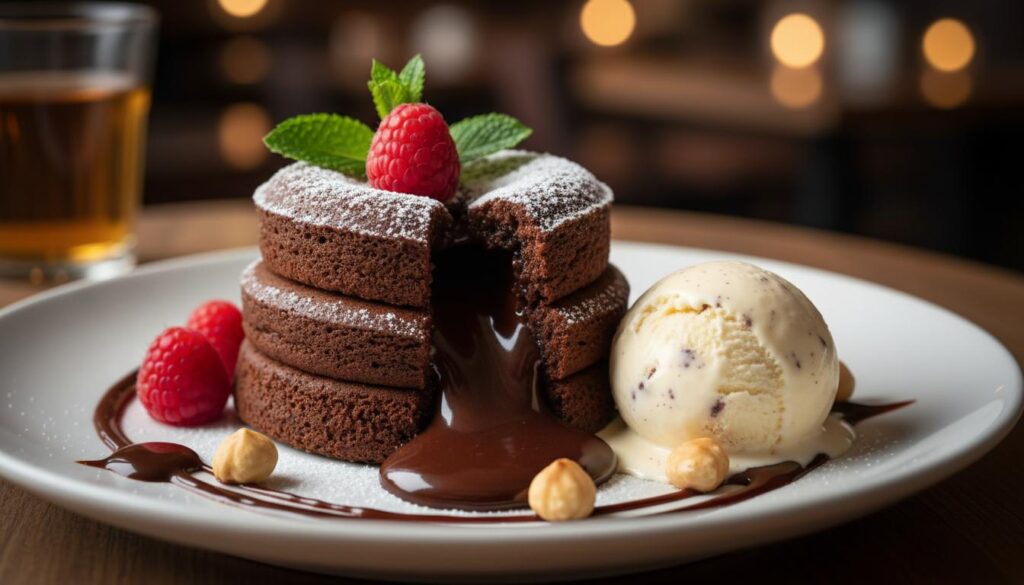
Say “dessert” in Canada and you’ll get a dozen answers before the kettle boils: butter tarts with glossy tops, a tray of Nanaimo bars at a potluck, maple-fuelled pouding chômeur, or a dairy-free pandan jelly from a Vancouver bakery. Dessert here is both comfort and craft, old-school and wildly global. If you want to make better sweets at home, order smarter from local bakeries, or understand what Canadian labels really mean (why “ice cream” isn’t the same as “frozen dessert”), you’re in the right place.
This guide brings together proven techniques, regional favourites, seasonal shopping, and real-world tips tailored to life in Canada—metric ovens, bilingual labels, snow taffy, and all. You’ll learn how to stock a smart pantry without overpaying, when to swap butter for oil (and when not to), and what separates a ho-hum cookie from a great one. We’ll walk through iconic recipes, discuss allergies and safety without scaremongering, and keep it as practical as a weekday crumble with frozen berries.
What “Dessert” Means in Canada
Dessert isn’t one thing across the country—it’s a language with accents. In Quebec, syrup-laced puddings and sugar pie feel like winter hearth food, while in British Columbia, a Nanaimo bar can end a hockey night just as easily as a summer picnic. Prairie kitchens lean on flapper pie and Saskatoon berries when the shrubs are loaded. East coasters defend blueberry grunt with a loyalty that borders on civic duty. And everywhere, maple syrup has a way of sneaking into saucepans when nobody’s looking.
Then there’s the delicious plurality of Canada’s cities. A dessert crawl in Toronto or Vancouver might include Japanese cheesecake, Italian gelato, Filipino halo-halo, Portuguese pastéis de nata, South Asian kulfi, and Persian saffron ice cream, often on the same block. In Montreal, a classic bûche de Noël shares holiday tables with baklava, black cake, and yuzu tarts. The throughline? A willingness to mix traditions and borrow techniques. It’s not unusual to see a butter tart riff with garam masala or a doughnut glazed with dulce de leche.
Regional tastes also show up in ingredients. Maple syrup has a formal grading system. Canadian wheat flours tend to be higher in protein than many American all-purpose flours, which affects tenderness in cakes and pastry. Dairy laws influence what you can call ice cream. Even taxes matter: buy a single doughnut in many provinces and you’ll pay sales tax; buy six and it often counts as a basic grocery, zero-rated for GST/HST. Dessert, it turns out, lives in culture and policy as much as in a mixing bowl.
Build a Canadian Dessert Pantry (and the Tools to Use It)
A good dessert pantry doesn’t need to be fussy. It should be accurate, fresh, and easy to navigate—a bit like a small-town bakery kitchen. Here’s how to stock yours without making a dozen trips across town.
Core ingredients that do the heavy lifting
Flour: Most all-purpose flour in Canada (11–12% protein) is sturdy and can make pie dough a touch tougher if overmixed. For airy cakes, consider cake and pastry flour (7–9% protein). Whole wheat adds flavour but needs more moisture. Store flour airtight; Canadian winters are dry, and pantry pests don’t hibernate.
Sugars and syrups: Granulated is your workhorse. Brown sugar (light or dark) adds moisture and butterscotch notes. Demerara or turbinado bring crunch to toppings. Maple syrup deserves its own shelf—Canada Grade A is sold by colour class: Golden (delicate), Amber (rich, most versatile), Dark (robust), and Very Dark (cooking grade). Use Amber for glazes and Dark for baking where you want deeper flavour.
Dairy and eggs: 35% whipping cream (sometimes labelled “heavy cream”) is standard for whipped cream. Butter is usually 80% fat; European-style (82–84%) tastes richer and can change texture in laminated doughs. Large eggs are the default in Canadian recipes. If a dessert calls for raw or lightly cooked eggs (tiramisu, some mousses), use pasteurized eggs—liquid pasteurized eggs are widely sold; pasteurized-in-shell eggs are less common but available in some stores.
Chocolate and cocoa: For baking, look for cocoa labelled “Dutch-processed” (alkalized) versus “natural”—they behave differently with leaveners. Chocolate quality varies wildly; for tempering or candy work, use couverture with higher cocoa butter content. For brownies and ganache, midrange bars or callets from Canadian or European makers do the job beautifully.
Leaveners and thickeners: Baking powder and baking soda lose punch—replace every 6–12 months. Gelatin sheets or powder set panna cotta and jellies; agar-agar or carrageenan are plant-based alternatives for vegan desserts. Cornstarch and tapioca starch tighten fruit fillings without cloudiness; tapioca pearls or minute tapioca are common in prairie pies.
Spices, extracts, and salts: Vanilla extract is worth buying real (yes, it’s pricey); vanilla paste adds visible seeds. Cinnamon varies—Ceylon is soft and floral; cassia is bold and familiar. A pinch of kosher or sea salt in sweets heightens flavour; flaky salt on brownies feels like a tiny miracle.
Where Canadians shop—and what things cost
Bulk Barn is terrific for small amounts of nuts, chocolate, and spices. Ethnic supermarkets like T&T, H Mart, and Middle Eastern or South Asian grocers are goldmines for pistachios, rosewater, pandan, jaggery, and specialty flours. National chains (Loblaws, Sobeys, Metro, Save-On-Foods) carry solid baking basics; Costco’s butter and vanilla prices can be compelling if you bake often. Farmer’s markets deliver fruit that actually tastes like fruit, especially mid-June to September.
Prices jump by province and season, but a ballpark: butter often lands around $6–$8 per 454 g brick; a dozen large eggs $3–$6; 250 mL of pure maple syrup $10–$15; 1 kg of decent chocolate callets $10–$25; fresh berries $3–$8 per 170–340 g clamshell in winter, much less in high summer. If you freeze fruit in July, your January self will thank you—and you’ll sidestep mid-winter sticker shock.
Tools that make dessert easier (and tastier)
A digital kitchen scale changes everything. Canadian recipes increasingly give grams; even when they don’t, measuring flour by weight prevents dense cakes. A reliable oven thermometer keeps you honest; many home ovens run 10–25°C off. Consider an instant-read thermometer for syrups, custards, and caramel.
Other worthy workhorses: a stand mixer or hand mixer; a heavy saucepan for caramel and pastry cream; an 8-inch square pan for bars; a 9-inch pie plate; springform pan for cheesecakes; parchment paper; a fine-mesh sieve; an offset spatula; and a bench scraper. Silicone baking mats help with cookies, but parchment is more flexible for roulades and meringues. If your oven offers convection, reduce recipe temperatures by about 15°C (25°F) and start checking a little earlier—airflow speeds browning.
Quick metric sanity check
Canada is bicultural in baking units—many family recipes use cups, but professional kitchens use grams. Use this cheat sheet when you bridge the gap.
| Ingredient | 1 cup (approx.) | Notes |
|---|---|---|
| All-purpose flour | 125 g | Spoon and level; packed cups run heavier |
| Granulated sugar | 200 g | Flows uniformly; weight is reliable |
| Brown sugar (packed) | 220 g | Firmly packed into cups for volume recipes |
| Powdered sugar (icing sugar) | 120 g | Sift for frostings |
| Unsweetened cocoa powder | 100 g | Varies by brand (85–125 g) |
| Butter | 227 g | 1 cup = 2 sticks (US); in Canada, 454 g bricks |
| Maple syrup | 315 g; 250 mL ≈ 1 cup | Use by weight for consistency |
| Milk | 240 g; 250 mL = 1 cup (metric) | Use mL for liquids where possible |
Techniques That Make or Break a Dessert
Good dessert isn’t a secret; it’s repetition of small, reliable moves. Here are the ones that pay the highest dividends.
Creaming butter and sugar
Room temperature butter means pliable, not glossy or oily—about 18–21°C. Beat butter and sugar until light and fluffy, trapping air that translates to lift in the oven. In cold Canadian kitchens, warm the mixing bowl with a kettle’s steam, then dry thoroughly; in summer humidity, chill the bowl for cookie dough to reduce spread.
Custards and pastry cream
Tempering is the key: whisk hot milk into eggs slowly so you don’t scramble them, then return to gentle heat and cook to 80–83°C until it coats a spoon. Pastry cream firms further when chilled; press wrap on the surface to prevent a skin. For crème brûlée or flan, bake in a water bath to protect the delicate set. No blowtorch? An oven broiler caramelizes sugar in a pinch—watch closely, as the line between bruléed and burnt is about 15 seconds long.
Meringues: French, Swiss, and Italian
French meringue is the simplest—beat whites, stream in sugar. It’s light and perfect for folding into mousses and cakes, but less stable unbaked. Swiss meringue warms whites and sugar over a bain-marie to 70°C before whipping—glossy and reliable for pavlovas and buttercream. Italian meringue pours 115–118°C sugar syrup into whipping whites—ultra stable for parfaits and lemon meringue pies. Degrease bowls with vinegar; even a trace of yolk deflates whites.
Caramel and wet vs dry methods
Dry caramel (sugar only) moves fast and tastes more bitter; wet caramel (sugar plus water) gives you more control. For wet caramel, brush down the sides of the pot with water to prevent crystals. Don’t stir as it colours; swirl gently. Keep an ice bath nearby to halt cooking if it’s darkening too quickly. Use a heavy, light-coloured pan so you can actually see what’s happening.
Tempering chocolate without the tantrum
Tempering aligns cocoa butter crystals so chocolate sets glossy and snappy. The seed method is the friendliest at home: melt two-thirds of your chocolate to 45–50°C, stir in the remaining third off heat to bring it down to 27–29°C, then gently rewarm to working temperature.
| Chocolate Type | Melt To | Cool To | Work At |
|---|---|---|---|
| Dark | 48–50°C | 27–28°C | 31–32°C |
| Milk | 45–48°C | 26–27°C | 30–31°C |
| White | 43–45°C | 25–26°C | 28–29°C |
Canada in July can spell bloom (those grey streaks) if your kitchen’s warm. Work cooler, use a marble slab if you have one, and store finished chocolates around 15–18°C, low humidity.
Gelatin, agar, and setting agents
Bloom powdered gelatin in cold water (about 5–6 times its weight) for 5–10 minutes before melting gently. Agar-agar sets firmer and at room temperature; it’s plant-based and ideal for vegan panna cottas and fruit jellies, but it can be brittle—test small batches. Pineapple, kiwi, papaya, and mango contain enzymes that break down gelatin; cook purees briefly or use agar to be safe.
Whipped cream and chantilly
Chill bowl and beaters. For softly whipped cream (classic for pavlova), stop around 70% thickened, when peaks slump. For piping or layering in cakes, go to firm peaks. Stabilize whipped cream with a spoon of mascarpone, a little cream cheese, or dissolved gelatin if it needs to hold for hours on a hot day. Sweeten with powdered sugar for a smoother texture.
Iconic Canadian Desserts You Can Master
These aren’t museum pieces. They’re living recipes that tolerate your schedule, your oven, and your pantry. Each one comes with a few guardrails and room to play.
Nanaimo Bars (British Columbia)
No-bake, three layers, endless debate about the middle. The base is a crumbly fudge of graham crumbs, coconut, and cocoa; the centre is a custard-flavoured buttercream; the top is a thin chocolate shell. They keep and travel well—ideal for potlucks and fundraisers.
Base: Combine 115 g butter, 50 g granulated sugar, and 25 g cocoa in a bowl over simmering water. Stir until smooth. Whisk in 1 beaten egg until thickened slightly (about 60–65°C to safely set). Off heat, fold in 300 g graham cracker crumbs, 75 g desiccated coconut, and 80 g chopped walnuts (optional). Press firmly into a parchment-lined 20 cm (8-inch) square pan.
Filling: Beat 115 g softened butter with 2 tbsp custard powder (Bird’s brand is traditional), 200 g powdered sugar, and 2–3 tbsp milk until smooth and spreadable. Taste and dial in the custard intensity. Spread over the base; chill 20 minutes.
Topping: Melt 150 g semisweet chocolate with 30 g butter until smooth. Cool to lukewarm so it doesn’t melt the filling, then pour and tilt to cover. Chill until just set; score the top so it won’t shatter when slicing. Store chilled; serve slightly cool for clean edges.
Notes: If custard powder is hard to find, use vanilla pudding powder or boost vanilla and add a pinch of turmeric for colour. For a richer top, temper the chocolate—your bars will slice like a dream.
Butter Tarts (Ontario)
Yes, the raisin debate is real. The best versions have flaky pastry and a filling that’s set at the edges and gooey in the centre. Maple syrup or corn syrup both work; maple adds complexity (and a bit more chew).
Pastry: Stir 200 g all-purpose flour, 20 g sugar, and 4 g salt. Cut in 170 g cold unsalted butter to pea-sized bits. Stir in 60–80 mL ice water just until it clumps. Flatten into a disk; chill 1 hour. Roll 3 mm thick; cut 10–12 circles to fit a standard muffin tin. Chill the lined tin 20 minutes.
Filling: Whisk 115 g soft butter, 150 g brown sugar, 120 mL maple syrup (or light corn syrup), 1 large egg, 1 tsp vanilla, and a pinch of salt. Optional: 60 g raisins or chopped pecans in the shells before pouring in filling.
Bake at 200°C (400°F) for 12–15 minutes until the edges puff and the centres wobble slightly. Cool in the pan 10 minutes, then loosen. If they overflowed and glued themselves to the tin, a butter knife and patience are your friends.
Notes: For runnier centres, pull them earlier. For firmer, go a minute or two longer. A splash (1 tsp) of white vinegar in the filling reins in sweetness.
Pouding Chômeur (Quebec)
Born in hard times, now a sugar-season staple. It’s cake batter baked under hot syrup; as it cooks, the cake rises and the liquid becomes sauce. The maple version is a hug in a bowl.
Syrup: Heat 375 mL maple syrup with 250 mL 35% cream to a simmer; keep warm. Batter: Cream 85 g butter and 100 g sugar until light. Beat in 1 egg and 1 tsp vanilla. Mix 140 g flour, 1 1/2 tsp baking powder, and 1/4 tsp salt; add alternately with 80 mL milk. Spread batter in a buttered 20 cm (8-inch) square pan. Pour warm syrup over—yes, all over.
Bake at 180°C (350°F) for 30–35 minutes until the top is golden and a tester in the cake portion comes out clean. Rest 10 minutes; serve warm with a spoon of crème fraîche or a scoop of vanilla ice cream. Leftovers reheat nicely.
Saskatoon Berry Pie (Prairies)
Saskatoon berries look like blueberries but taste almondy and floral. Fresh is best in late June/July, but frozen works perfectly—the texture softens in baking anyway.
Filling: Toss 900 g Saskatoon berries (fresh or frozen) with 150 g sugar, 30 g cornstarch (use 40 g if berries are very juicy), 1 tbsp lemon juice, and a pinch of cinnamon. Let sit 10 minutes. Line a 23 cm (9-inch) pie plate with pastry, fill, dot with 2 tbsp butter, and top with a vented crust or lattice. Brush with milk; sprinkle with sugar.
Bake at 200°C (400°F) for 20 minutes, then 180°C (350°F) for 35–45 minutes until bubbling through the vents. Cool fully to thicken. Serve with lightly sweetened whipped cream.
Notes: Can’t find Saskatoons? Try wild blueberries or a mix of blueberries and cherries for similar depth.
Blueberry Grunt (Atlantic Canada)
It’s a stovetop dessert: stewed blueberries with dumplings that steam to tender clouds. The “grunt” is the sound of berries burbling. It’s weeknight-friendly and mercifully forgiving.
Fruit base: Simmer 750 g blueberries (fresh or frozen) with 100 g sugar, 60 mL water, and a squeeze of lemon until juicy and just starting to thicken. Dumplings: Mix 180 g flour, 2 tsp baking powder, 1/2 tsp salt, and 1 tbsp sugar. Cut in 45 g cold butter. Stir in 180 mL milk to make a soft dough. Drop spoonfuls onto the simmering fruit, cover tightly, and steam 15 minutes—no peeking. The dumplings should be puffed and cooked through. Spoon into bowls; finish with cream.
Maple Snow Taffy (Tire d’érable)
Yes, you can do this at home without a sugar shack. The trick is clean, packed snow or a tray of crushed ice from your freezer. Use real maple syrup, not pancake syrup.
Boil 250 mL maple syrup to 115–118°C (soft-ball stage). Drizzle in thick lines on clean snow or crushed ice; wait a few seconds until it firms, then roll onto popsicle sticks. Eat immediately.
Safety note: Urban snow is questionable—use shaved ice or freezer-crushed ice if you’re not in a clean, fresh snowfall. Keep toddlers clear of the hot pot; syrup burns are no joke.
Make it dairy-free, gluten-free, or vegan without losing joy
Dairy-free: Coconut cream whips if chilled and the water drained; look for brands with high coconut extract. Plant-based “whipping creams” from soy, oat, or pea protein can work for stable toppings. Use quality dark chocolate for vegan ganache (many are dairy-free; check labels).
Gluten-free: For cookies and brownies, a 1:1 gluten-free flour blend with xanthan gum is a straightforward swap. For cakes and pastry, mix your own (rice flour, potato starch, tapioca starch) or choose recipes built for gluten-free from the start (flourless chocolate cake, pavlova, rice pudding).
Vegan: Aquafaba (the liquid from canned chickpeas) whips into a meringue and bakes into excellent pavlovas and macarons. Agar replaces gelatin; coconut oil can stand in for butter in crumb crusts. For custards, use cornstarch or silken tofu with plant milk and vanilla.
Smart Dessert Nutrition in a Canadian Context
Sweet doesn’t have to mean reckless. If dessert is part of regular life—and for many of us it is—smart choices let you enjoy it without the energy crash or creeping guilt. Simple moves matter: smaller portions, more fruit, mindful sugar, and balance across the day.
Label literacy helps too. In Canada, Nutrition Facts tables list sugars with a % Daily Value. Health Canada updated labels to include a daily value for sugars; the front-of-package nutrition symbol for foods high in saturated fat, sugars, or sodium is being phased in (announced in 2022 with a multi-year transition). If a dessert package carries that symbol, it’s a nudge to enjoy in moderation.
Ice cream vs frozen dessert: what the label signals
Ever notice “frozen dessert” on tubs where you expected ice cream? In Canada, “ice cream” has a legal standard of identity and typically must include dairy with at least 10% milk fat. Products made with vegetable oils and lower dairy content fall under “frozen dessert.” That doesn’t make one evil and the other virtuous, but it clarifies texture and ingredients.
| Feature | Ice Cream (Canada) | Frozen Dessert |
|---|---|---|
| Primary fat source | Milk fat (cream, milk) | Vegetable oils (e.g., coconut, palm, canola) |
| Milk fat content | Typically ≥10% | Often lower or none |
| Texture | Creamy, dairy-rich | Varies; can be icier or very smooth |
| Label requirement | Must meet standard of identity | Cannot be called “ice cream” |
Practical tip: If you want dairy but less richness, sherbet sits between sorbet and ice cream—fruit-forward with a bit of milk. If you’re plant-based, look for coconut or oat “frozen dessert” with minimal stabilizers for a cleaner finish.
Lower-sugar strategies that don’t ruin dessert
Use fruit to do heavy lifting—ripe peaches or strawberries reduce the need for added sugar. Spice is a cheat code: cinnamon, cardamom, vanilla, and citrus zest heighten perceived sweetness. In brownies and cookies, drop sugar by 10–15% without breaking structure. For puddings and panna cotta, the range is wider—sweeten, taste, and err on the less-sweet side; sauces can compensate.
Balance the plate. A small square of rich tart with a mound of berries feels indulgent. A scoop of gelato with an espresso after dinner is satisfying. If dessert shows up often, dial back added sugars elsewhere in the day—it’s the overall pattern that matters.
Allergies, Labeling, and Safe Dessert Practices in Canada
Food allergies are real life in schools, offices, and community centres across the country. If you’re baking for others—or buying sweets for a team event—respecting labels and cross-contact isn’t optional.
Canada’s priority allergens and what labels tell you
Under Canadian regulations, certain allergens and sulphites must be identified on labels in plain language. If you’re serving homemade dessert, clearly list ingredients and note any potential cross-contact (“made in a kitchen that also handles peanuts and tree nuts”). Precautionary statements like “may contain” are voluntary but common when cross-contact can’t be ruled out.
| Priority Allergen/Substance | Examples | Notes |
|---|---|---|
| Peanuts | Peanut butter, peanut oil (unrefined) | Cross-contact common in bakeries |
| Tree nuts | Almonds, walnuts, pecans, hazelnuts, pistachios | Include nut flours and pralines |
| Sesame | Seeds, tahini | Now widely declared; watch for toppings |
| Milk | Cream, butter, whey | Lactose-free still contains milk proteins |
| Eggs | Whole eggs, albumen, meringue | Hidden in glazes and noodles |
| Soy | Soy flour, lecithin | Lecithin is often tolerated but must be labelled |
| Wheat and triticale | Flour, breadcrumbs | Gluten-free desserts avoid wheat, barley, rye |
| Mustard | Seeds, mustard flour | More common in savoury, but appears in spices |
| Fish | Gelatin from fish (some candies) | Fish gelatin used in some marshmallows |
| Crustaceans and molluscs | Shrimp, crab, clams | Rare in desserts, watch savoury-sweet crossovers |
| Sesame and sulphites | Sesame listed above; sulphites as preservatives | Sulphites often in dried fruit and wines |
When in doubt, ask the bakery for their allergen chart. Many chains provide them online. For home bakers, line pans with fresh parchment, clean surfaces thoroughly, and use separate utensils when practical to reduce cross-contact risk.
Food safety for dessert makers
Raw flour can contain harmful bacteria—Canada has had flour-related recalls. Don’t taste raw cookie dough unless you heat-treat the flour (spread on a baking sheet and bake at 160°C/325°F for 10–15 minutes, stirring once, then cool). Keep cold desserts at or below 4°C and freezer at -18°C. The “danger zone” is roughly 4–60°C; cream pies and cheesecakes shouldn’t linger at room temperature for hours at a potluck.
Transport chilled desserts in insulated bags with ice packs. Reheat fruit crumbles and bread puddings to steaming hot. Label treats that include alcohol; it doesn’t all “bake off,” especially in quick sauces or no-bake desserts.
Buying Dessert in Canadian Cities: Bakeries, Grocers, and Delivery
Some days you just want to outsource the sugar. Canada’s bakery scene is deep and diverse, and getting dessert delivered to your door is easier than ever.
In Toronto, you’ll find everything from South Asian mithai counters in Scarborough to Japanese pâtisserie near Yonge and Eglinton. Montreal is pastry-obsessed; you could eat a different canelé or mille-feuille every weekend and not repeat a shop. Vancouver and Richmond are hubs for Asian desserts—bingsu, tanghulu, bubble waffles, black sesame everything. Calgary and Edmonton punch above their weight in doughnuts, sourdough, and modern patisserie; Halifax has perfected oatcakes, sticky toffee, and blueberry pies that taste like the ocean is a few steps away.
Delivery platforms like Uber Eats, SkipTheDishes, and DoorDash partner with bakeries and ice cream shops across major cities. Watch for markups and service fees; ordering directly from a bakery often gets you better pricing and freshness. For special diets, look for dedicated gluten-free or vegan patisseries; cities like Toronto, Ottawa, and Vancouver have excellent options with clean allergen practices.
What you’ll likely pay (and why taxes show up)
Prices vary by city and brand, but for a sense: a single premium doughnut can run $4–$6; croissants $3–$6; a slice of cake $7–$12; whole 8–10 inch cakes $40–$90; artisanal ice cream scoops $5–$8. Expect higher prices for specialty flours, imported nuts, or elaborate decorations.
Tax note: In many provinces, “prepared food and beverages” are taxable. A single pastry is often subject to GST/HST, but buying six or more may qualify as basic groceries and be zero-rated for GST/HST at checkout. It’s not a loophole so much as how the rules are written; the point is, your bill might dip if you buy for a group.
Seasonal and Local Dessert Planning
Plan dessert around the calendar and you’ll spend less and taste more. Canadian seasons are dessert seasons in disguise.
- Early spring: Rhubarb wakes up first. Pair it with strawberries later or candy it for tarts.
- Late spring/early summer: Strawberries, then cherries. Shortcakes and galettes belong here.
- High summer: Blueberries, raspberries, peaches, nectarines. Icebox cakes and no-bake desserts shine.
- Late summer/fall: Apples, pears, plums, concord grapes. Crumbles, pies, and clafoutis.
- Winter: Citrus, frozen berries, maple season treats, warm puddings and bread desserts.
| Season | Fruit | Go-to Desserts |
|---|---|---|
| March–May | Rhubarb, early greenhouse berries | Rhubarb crumble, custard tarts |
| June–July | Strawberries, cherries, Saskatoons | Shortcake, slab pie, fridge cheesecake |
| August | Peaches, blueberries, raspberries | Ice cream, semifreddo, buckle |
| September–October | Apples, pears, plums, grapes | Galette, tarte tatin, poached fruit |
| November–February | Citrus, frozen berries, maple | Pouding chômeur, baked puddings, crêpes |
Preserve the good months. Freeze berries in a single layer, then bag; roast and freeze apple slices; make fruit compotes and freeze flat in zip bags. Your winter self will repay you in gratitude and cobblers.
Hosting and Potlucks: Dessert Strategies That Actually Work
Hosting a dinner? Plan dessert like you plan mains—balance is your friend. Heavy entrée? Go for citrus sorbet or fruit-forward panna cotta. Lighter meal? Lean into chocolate or a rich tart. Make at least part of it ahead; your future self on party day is juggling coats and drinks, not whipping egg whites.
Make-ahead winners: tiramisu, mousse in cups, cheesecakes, fridge cakes, fruit compotes, trifle. For transport, bars and slab pies beat layer cakes every time. For workplace birthdays, consider cupcakes or brownies for easy slicing and portion control.
Allergy etiquette: label ingredients, keep nut desserts on a separate table, and offer a safe, simple option (fruit plate, dairy-free sorbet, coconut rice pudding). For school environments, respect “peanut/nut-free” policies; sunflower-seed butter can mimic peanut flavour in some recipes, but check school rules.
Starting a Home Dessert Business in Canada: What to Know
Thinking of selling cookies or custom cakes from home? Rules vary by province and municipality, but most allow low-risk foods (baked goods without cream fillings, shelf-stable candies) with basic food safety practices. Your local public health unit is the first stop; some require notification or inspection, others provide guidelines. If you add perishable fillings, cater, or scale up, commercial kitchen requirements often kick in.
Labeling considerations: Most prepackaged foods in Canada require bilingual labels, an ingredient list by weight, and allergen declarations. Nutrition Facts may be exempt in some small-scale direct sales, but exemptions depend on circumstances; if you make a nutrient claim (“low sugar,” “high fibre”), you’ll trigger requirements. The Canadian Food Inspection Agency’s Industry Labelling Tool is the authoritative reference. Keep records of your recipes and suppliers in case of questions.
Business hygiene: Get liability insurance, standardize recipes, and cost accurately. Even a simple dessert box needs packaging that protects goods in winter transport. If you ship across provinces, rules change; start local and grow deliberately.
Troubleshooting: Why Did My Dessert Fail?
Everyone has a cake that sank or a caramel that seized. The fix is almost always specific and solvable.
- Dry, dense cakes: Overmeasured flour or overmixed batter. Weigh flour, stop mixing once combined, and mind oven temp.
- Cookies spread too much: Warm dough or too much butter. Chill dough, use parchment (not greased pans), and weigh flour.
- Weeping meringue: Added sugar too fast or undercooked. Stabilize with a bit of cornstarch or make Swiss/Italian meringue.
- Broken ganache: Too hot cream or wrong ratios. Warm gently and whisk in a splash of cold milk or add a bit more chocolate.
- Soggy pie bottom: Underbaked crust or wet filling. Blind-bake, use a metal pan on a preheated sheet, and thicken fruit properly.
- Cheesecake cracks: Overbaked or cooled too fast. Bake until just wobbly, cool gradually in the oven with door ajar.
More Techniques and Deep Dives for Dessert Nerds
With the basics down, a few advanced or under-sung topics can quietly level you up without turning your kitchen into a culinary school lab.
Pastry that behaves (even on a humid July day)
Keep everything cold: butter, flour, even the rolling pin. Use a higher-protein Canadian flour sparingly; too much water + mixing = gluten development and toughness. For flakier layers, leave pea- to walnut-sized butter pieces. Roll in one direction, rotate the dough often, and patch cracks with scraps like bandages, not like kneading a new ball. Rest dough at each step—gluten relaxes, moisture equilibrates, and your tart shell won’t slump in the oven.
Blind-bake with care: Line with parchment and fill with dried beans or pie weights up to the rim. Bake until the edges are set and light golden before removing weights to finish the bottom. A brushed egg white on the hot, par-baked shell seals it against custard seepage.
No-bake dessert structure: the hidden architecture
No-bake cheesecakes and fridge cakes live or die by structure—gelatin, chocolate set, or the fat content of cream cheese. If your no-bake cheesecake slumps, it likely needed a touch more gelatin or colder, longer chilling. Bloom gelatin thoroughly, dissolve without boiling, and fold into room-temperature batter so it disperses evenly. For vegan sets, agar sets at room temperature and firms fast—work quickly and test the gel strength with a tiny batch if you’re unsure.
Fruit fillings: clarity without cloudiness
Use cornstarch for bright, glossy fruit sauces and pies; boil briefly to activate. Tapioca starch or minute tapioca produce a clearer set in berry pies and thaw better from frozen. Flour thickens but turns cloudy and can dull fruit flavours. A spoon of lemon juice and a pinch of salt sharpen fruit; a splash of booze (kirsch, rum) adds depth but label it if you’re serving kids.
Altitude adjustments (hello, Calgary and Canmore)
At 1,000–1,500 metres, water boils at a lower temperature and gases expand more—cakes can over-rise and collapse, and syrups reach stages differently. Tweak by increasing oven temp 10–15°C, reducing chemical leaveners slightly (start with 1/8 to 1/4 teaspoon less per teaspoon), adding a bit more liquid, and checking doneness earlier. Sugar syrups need temperature stage adjustments; use the cold-water test in addition to a thermometer if results seem off.
Freezing desserts so they taste fresh
Wrap tightly in plastic, then foil, then bag. Freeze bars and brownies as a slab and cut while still slightly frozen for crisp edges. Cheesecakes freeze well; glaze after thawing. Fruit pies can be frozen unbaked—go straight from freezer to hot oven and bake longer until bubbling. Whipped cream doesn’t love freezing unless stabilized; piped blobs on a tray, then bagged, can work for hot chocolate toppers.
Holiday Desserts Across Canada
December in Canada is a greatest-hits album. Bûche de Noël in Quebec, butter cookies in tins everywhere, shortbread that tastes like childhood, sufganiyot for Hanukkah, mithai for Diwali (timing varies year to year), black cake in Caribbean-Canadian homes, panettone and stollen for those with Italian or German roots, and fruitcake making a comeback when treated like the luxury item it is.
New Year’s sees citrus tarts and pavlovas brightening short days. Valentine’s calls for chocolate—pots de crème, truffles, or just an immodest scoop of gelato. Easter leans into hot cross buns and lemon everything. Thanksgiving is pumpkin and apple pie season; a maple-pecan tart is a cross-border diplomat that everyone understands.
Ethical and Sustainable Sweets
Few people want dessert at the expense of the planet or other people’s livelihoods. You can lean ethical without sacrificing flavour.
Chocolate: Look for certifications (Fairtrade, Rainforest Alliance) as a starting point and consider direct-trade makers who publish sourcing. Taste matters—sometimes a mid-priced responsibly sourced bar outperforms a cheaper, commodity chocolate in both ethics and flavour.
Maple syrup: Buying from Quebec or Ontario producers at a market connects you to the source, and you’ll learn fast about this year’s run and flavour. Syrup is shelf-stable; stock up when your favourite producer is in town.
Fruit: Local and in-season is often best for flavour. Frozen fruit is a sustainability hero when it prevents waste. Preserve excess (jams, frozen purees) in peak months and spread those flavours across the year.
Quick Wins: Five Low-Lift Canadian Dessert Ideas Tonight
- Maple-roasted pears: Halve firm pears, scoop the core, drizzle with maple syrup and butter, bake until tender. Spoon over yogurt or ice cream.
- Blueberry skillet buckle: Toss berries with a touch of sugar and lemon; top with a quick biscuit batter; bake until browned and bubbling.
- Rhubarb compote: Stew chopped rhubarb with sugar and orange zest; serve warm over vanilla ice cream or cold with granola.
- Chocolate pudding: Whisk cocoa, sugar, cornstarch, milk; cook until thick. Off heat, stir in chopped chocolate and vanilla. Chill with wrap on the surface.
- Affogato with maple twist: Pour hot espresso over a scoop of vanilla; finish with a teaspoon of dark maple syrup and a pinch of flaky salt.
Canadian Dessert FAQs
What’s the difference between dessert and “frozen dessert” on Canadian labels?
“Ice cream” in Canada has to meet specific standards, including dairy with at least about 10% milk fat. Products that use vegetable oils or don’t meet those standards are labelled “frozen dessert.” The label tells you about ingredients and texture more than healthfulness; choose what you like and what fits your diet.
Are butter tarts supposed to have raisins?
There’s no law (yet). The classic is plain or with raisins or pecans. If you’re baking for a crowd, make half and half and label them. Texture—gooey centre, set edges—matters more than mix-ins.
Is it safe to eat raw cookie dough in Canada?
Not as-is. Raw eggs and raw flour can both carry pathogens. If you want edible dough, use heat-treated flour and omit or use pasteurized eggs, or make a dough designed to be eaten raw.
How do I cut clean slices of Nanaimo bars or brownies?
Chill until firm, score the top layer if it’s chocolate, and cut with a hot, dry knife—dip in hot water, wipe, slice, repeat. Don’t saw; press down confidently.
What are some classic Canadian desserts to try?
Nanaimo bars, butter tarts, pouding chômeur, tarte au sucre (sugar pie), Saskatoon berry pie, blueberry grunt, flapper pie, date squares, and maple taffy. Region by region you’ll find more: persians in Thunder Bay, figgy duff in Newfoundland, beaver tails (fried dough) at winter festivals.
How do Canadian ovens differ for baking?
Most show both Celsius and Fahrenheit; many home ovens run hot or cool. Use an oven thermometer and adjust. For convection, reduce the recipe temperature by about 15°C and start checking earlier.
How long can I keep desserts in the fridge or freezer?
General guidance: cream pies and cheesecakes 3–4 days refrigerated; fruit pies 2–3 days at room temp or 5–6 refrigerated; cookies 1 week in an airtight tin; most cakes 3–4 days covered. Freezer: bars and brownies up to 3 months; unbaked fruit pies 3–4 months; cheesecakes 1–2 months. Always label and date.
What’s the grading for maple syrup in Canada and which should I bake with?
Canada Grade A has four colour classes: Golden (delicate), Amber (rich), Dark (robust), Very Dark (strong taste, often for cooking). Amber is the most versatile for baking; Dark adds punch in sauces and puddings.
I’m baking at altitude in Alberta—why are my cakes collapsing?
Lower air pressure causes batters to rise faster and set later. Reduce leaveners slightly, increase oven temperature a bit, add a spoon of extra liquid, and bake a touch longer. Test and tweak; even neighbouring towns can bake differently.
Do I need bilingual labels to sell homemade cookies?
If you’re prepackaging food for sale, Canadian labelling rules generally require bilingual (English and French) labels, ingredient lists, and allergen declarations. Some small-scale, direct-to-consumer scenarios may have exemptions for Nutrition Facts, but requirements vary. Check your provincial public health unit and the CFIA’s Industry Labelling Tool before selling.
Any tricks for lighter, less-sweet desserts without substitutes?
Lean on fruit, spice, and acid. Reduce sugar in many recipes by 10–15% without structural issues. Add citrus zest, vanilla, or a pinch of salt to make flavours pop. Serve smaller portions with a generous side of berries or stone fruit.
What are good vegan dessert options that feel special?
Pavlova made with aquafaba, coconut panna cotta set with agar, dark chocolate tarts with olive oil ganache, fruit galettes with dairy-free pastry, and sorbets using peak-season fruit. Many bakeries in big Canadian cities offer impressive vegan patisserie now—worth exploring.
Is “may contain” on a label the same as an allergen?
No. “May contain” is a precautionary statement about possible cross-contact, not an ingredient. For some people with severe allergies, it’s still a hard stop; for others, it may be acceptable after consulting with their healthcare provider. When serving a group, pick options without “may contain” for the relevant allergen to be safest.
How do I stop apple pie from turning watery?
Use the right thickener (cornstarch or tapioca), let the filling macerate 10–15 minutes before baking, vent the top well, bake until juices are bubbling thickly, and cool completely so the starches set. Different apples behave differently—mix firm (Granny Smith) and flavourful (Cortland, Honeycrisp) for balance.
Can I make dessert for a school event in a nut-free environment?
Yes, if you can ensure no nuts and minimal cross-contact. Use fresh ingredients with clear labels, clean equipment thoroughly, and consider simple, naturally nut-free choices like rice krispie squares (check marshmallows and cereal labels), fruit kebabs, or vanilla cupcakes with buttercream. Always follow the school’s specific policies.
Final Thought
Canada’s dessert landscape is generous. It gives you maple and mango, chocolate and cardamom, pies for prairie summers and puddings for the deep freeze. Whether you’re baking at home, buying from a neighbourhood bakery, or plotting a no-bake fridge dessert at 10 p.m., the goal is the same: something sweet that tastes like you meant it. Start with one recipe here, make it twice, then make it your own. That’s how traditions begin.