
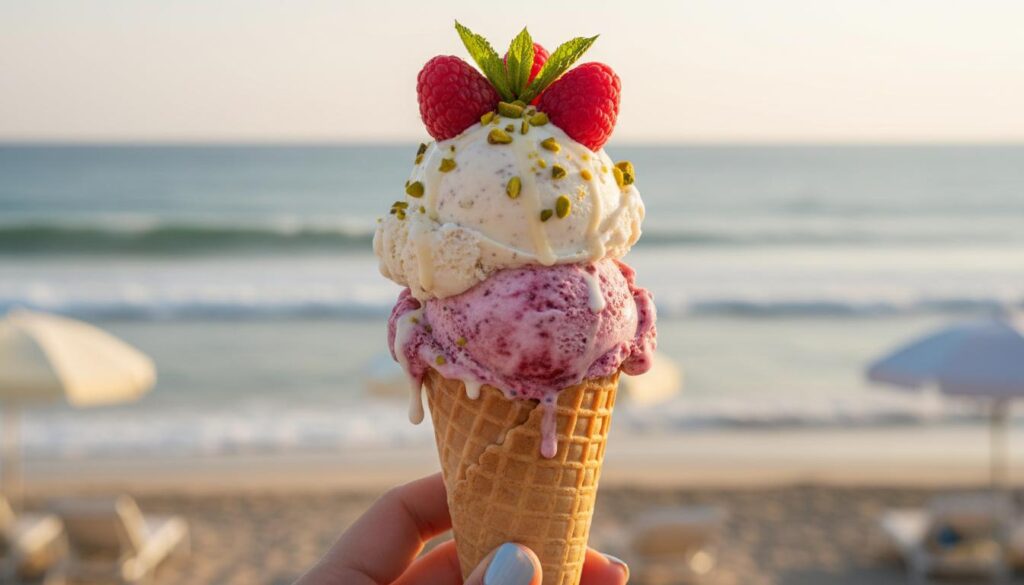
Ice cream means more than a summer cone in this country. It’s cottage trips with a cooler rattling in the trunk, late-night scoops after a Jays game, maple ripples at a Quebec crèmerie, and soft serve by the Atlantic with the wind whipping at your napkin. If you’ve ever wondered why some pints are “ice cream” while others say “frozen dessert,” why a scoop in Vancouver costs more than your memories say it should, or how to make gelato that actually tastes like the fruit it claims, you’re in the right place. This guide puts everything on one spoon: smart shopping, Canadian rules, health and safety, prices and taxes, home techniques, and the small business realities behind the counter.
What Counts as Ice Cream in Canada? Labels, Standards, and What “Frozen Dessert” Really Means
Start with the name on the tub. In Canada, “ice cream” isn’t just a vibe—it’s a regulated food name under federal rules. If a product doesn’t meet the standard for ice cream, the label can’t use that term. That’s why you’ll see “frozen dessert” on some budget-friendly brands that swap part or all of the dairy fat for vegetable oils. It’s not a scandal; it’s a signal. When flavour and texture matter, this distinction is worth reading.
Canadian food law—administered by Health Canada and enforced by the Canadian Food Inspection Agency (CFIA)—sets standards of identity for many dairy products. Those standards cover what ingredients qualify a product to be called “ice cream” versus something else. Generally, real ice cream relies on dairy fat and milk solids, while frozen dessert leans on plant oils (often palm, coconut, or canola) plus stabilizers to mimic richness. That’s why some tubs melt into a glossy puddle and others taste cleaner and dairy-forward. It comes down to the fat source, overrun (air), and solids.
Why should you care? Because fat type changes mouthfeel and flavour delivery. Dairy fat tends to soften harsher notes and carries vanilla and chocolate beautifully. Plant oils can read waxy or leave a film on the palate. If you’re shopping for a birthday sundae bar and want that classic richness, look for “ice cream” on the label and check that cream or milk shows up early in the ingredient list. If price or dairy avoidance is the priority, “frozen dessert” will likely be cheaper and often dairy-free, but read the allergen list closely.
One more label cue: “vanilla.” In Canadian labelling, wording like “vanilla,” “vanilla flavoured,” and “artificially flavoured vanilla” signal whether the product uses real vanilla, a blend, or flavouring compounds only. If you love those tiny vanilla bean specks, look for “vanilla bean” or “with vanilla beans” and check the ingredients for vanilla extract or ground beans.
Regardless of style, packages must include a Nutrition Facts table and a bilingual ingredient list with priority allergens (milk, eggs, peanuts, tree nuts, soy, wheat, etc.) clearly declared. That matters if you’re buying for a class party or a team barbecue where dietary needs vary.
Soft Serve and Safety: What to Know
Soft serve is its own world. The mix is pasteurized, and machines must be cleaned and sanitized regularly. Public health units inspect food premises, and reputable shops treat daily cleaning as non-negotiable. If you or someone you love is pregnant or immunocompromised and you’re feeling cautious, packaged ice cream from a trusted brand is the low-risk route because it stays sealed after pasteurization. That said, in Canada, properly maintained soft-serve machines using pasteurized mix are considered safe. When in doubt, pick a busy, well-reviewed shop—the throughput tends to keep product fresh and staff on their cleaning schedule.
Styles of Frozen Treats: What Actually Differs Between Ice Cream, Gelato, Sorbet, Sherbet, and More
Walk into a Canadian scoop shop and you’ll see a crowd of terms. They’re not marketing fluff. Each style has different fat, sugar, and air, and even a different serving temperature. Those differences shape how flavours land on your tongue and how the scoop melts against a warm waffle cone.
Classic Ice Cream
Think of classic ice cream as the dairy baseline. It’s churned fast enough to incorporate a good amount of air, which makes it light and scoopable straight from a -18°C home freezer. There are two main approaches at home and in craft shops:
Custard-style (a.k.a. French style) uses egg yolks cooked into the dairy. The yolks add emulsifiers and richness you taste as custardy depth. If you’re cooking this at home, bring the mixture to at least 71°C so the eggs are safe, then chill quickly and age the base in the fridge for several hours before churning. The result? Silky texture and a scoop that holds its shape.
Philadelphia-style (sometimes called American style) skips eggs entirely and relies on cream, milk, and stabilizers (or sometimes just time) to achieve body. It tastes brighter and lighter; fruit and mint really sing here because there’s less custard note competing for your attention.
Gelato
Gelato is denser and often lower in fat than typical North American ice cream. It’s churned more slowly, which means less air and a satisfyingly compact texture. It’s also served warmer—often a few degrees warmer than hard ice cream—so flavours pop. You’ll taste the strawberry, hazelnut, or pistachio more quickly because cold dulls your palate and warmer gelato doesn’t numb your taste buds as much. In Canada, artisanal gelato has found strong footing in cities like Vancouver, Montreal, and Toronto, where shops emphasize seasonal fruit and classic Italian flavours. Expect smaller portions that feel rich anyway.
Soft Serve
Soft serve is a high-overrun champion: lots of air, a uniform microstructure, and a billowy texture. It’s dispensed at just-below-freezing temperatures, which is why you can bite it without cracking a molar. This style is about immediacy and fun—twists, dips, and sprinkles. In Quebec, crèmeries lean hard into playful coatings and signature cones once the snow melts. National chains deliver the same treat coast to coast, but local stands often surprise with maple dips or seasonal berry swirls.
Sorbet
Sorbet contains no dairy. It’s a simple formula—fruit, sugar, water, sometimes a touch of pectin or stabilizer—and lives or dies by the quality of the fruit. In July, a sorbet built on Niagara peaches or Okanagan cherries needs very little help. Sorbet melts quickly and hits hard with fruit intensity. If dairy doesn’t agree with you, sorbet provides a clean, bright alternative.
Sherbet
Sherbet is sorbet’s cousin with just a nudge of dairy—enough to turn the texture creamy and the colour pastel. It’s lighter than ice cream but gentler than pure fruit ice. Orange and lime sherbets still show up in Canadian freezers for a reason: they pair well with summer desserts and work in classic punch bowls for birthdays and showers.
Frozen Yogurt
Frozen yogurt (“froyo”) uses cultured milk, which gives it a tangy note. Don’t assume it’s low sugar by default; many versions add as much sweetness as ice cream to keep ice crystals in check and deliver that smooth texture. When you’re choosing between froyo and ice cream, read the Nutrition Facts table instead of guessing based on the name.
Dairy-Free and Vegan Ice Cream
Dairy-free ice cream has moved from “good for what it is” to “good, period.” Canadian shelves now carry coconut, almond, cashew, soy, and oat-based options, along with emerging choices like faba bean or pea protein blends. Oat-based versions often taste closest to dairy from a sweetness and body perspective. If you’re watching saturated fat, scan for coconut-heavy formulas, which can climb fast. Also watch for nuts if you have allergies; vegan doesn’t mean allergen-free.
At-a-Glance Comparison
| Style | Main Ingredients | Texture | Typical Serving Temp | Good For |
|---|---|---|---|---|
| Ice cream | Cream, milk, sugar, optional eggs | Creamy, medium air | Home freezers (~-18°C) | Classic sundaes, cones, à la mode |
| Gelato | Milk, sugar, flavour pastes/purees | Dense, low air | Slightly warmer than ice cream | Intense flavours, smaller portions |
| Soft serve | Pasteurized mix (dairy or non-dairy) | Very light, high air | Just below 0°C from machine | Twists, dips, quick treats |
| Sorbet | Fruit, sugar, water | Clean, fast-melting | Freezer-cold | Dairy-free fruit punch |
| Sherbet | Fruit, sugar, water, a bit of dairy | Lightly creamy | Freezer-cold | Retro desserts, floats |
| Frozen yogurt | Yogurt, sugar, stabilizers | Soft, tangy | Freezer-cold | Toppings bars, tangy sundaes |
| Vegan ice cream | Oat/coconut/almond etc., sugar | Varies by base | Freezer-cold | Dairy-free indulgence |
Flavours Canadians Actually Buy (and the Regional Twists Worth Chasing)
Vanilla and chocolate still top sales in Canada—predictable, but for good reasons. Vanilla pairs with everything from butter tarts to blueberry grunt, and chocolate satisfies on its own. But dig into what local shops scoop, and Canada’s geography shows up spoon by spoon.
Maple, Every Which Way
Maple isn’t code for “sweet.” The best maple ice creams capture the woody complexity of dark syrup and the caramelized snap of maple sugar flakes. In Quebec and Ontario, you’ll often see maple walnut or maple pecan; in Atlantic Canada, maple pairs with bacon for a salty-sweet scoop you either fall in love with or never order again. Maple swirl through vanilla is the gateway. Pure maple ice cream with a salt finish is where the believers live.
Atlantic Canada
Wild blueberry and partridgeberry sorbets dominate menus when the berries flood local markets. Look for rum-and-raisin as a nod to maritime traditions—classic, grown-up, and perfect in small scoops. In summer, seaside stands lean on soft serve with crunchy coatings that hold better in wind than drippy sundaes.
Quebec
Montreal’s gelaterias treat pistachio, hazelnut, and blood orange with seriousness, but they also have a way with Quebec strawberries—fragile, aromatic, and short-season. Cassis (blackcurrant) pops up in sorbets and ripples and deserves the lineups it draws. You’ll also see “sucre à la crème” riffs, riffing on that fudge-like confection you find in dépanneurs and holiday tins.
Ontario
Kawartha lakes and Muskoka cottage country keep butter tart sundaes alive (warm tart, vanilla, toasted pecans, caramel). Toronto’s small-batch shops are where you’ll meet daring one-offs: toasted hay, miso caramel, Vietnamese coffee. Tiger tail—orange with black licorice swirls—still divides households, but it’s a piece of childhood many Ontarians keep in their back pocket.
Prairies
Saskatoon berry is the regional knockout, deeply jammy and best when the fruit is macerated rather than pureed. Honey-lavender and dill-pickle specials appear now and then—a wink to farmers’ markets and prairie gardens. When the wind is dry and the evenings stretch on, classic cones feel made for dusk walks.
British Columbia
BC’s Okanagan fruit—peaches, cherries, apricots—translates beautifully into sorbets and gelati. In Vancouver, expect matcha, black sesame, and yuzu to sit comfortably beside salted caramel and cookies-and-cream. There’s also a strong vegan scene, with oat and coconut bases treated with the same respect as dairy.
Prices, Taxes, and How to Budget for a Summer of Scoops
Sticker shock is real. Dairy sits under Canada’s supply management system, which stabilizes prices for farmers and the industry but tends to keep retail prices higher than in countries without it. Throw in high-quality inclusions (real pistachios are pricey), wages, rent, and the cost of running a food-safe operation, and a boutique scoop adds up.
What Canadians Are Paying Right Now
Grocery store tubs vary widely. House brands and larger-format tubs can land in the $6–$9 range for 1.5–2 L when on promotion, while premium pints (473–500 mL) often run $8–$12. Local artisanal pints can reach $10–$14, particularly when they use Canadian cream and expensive mix-ins. In big cities, a single scoop (which can mean different sizes, so ask) hovers around $5–$7; double scoops and waffle cones climb from there. Soft-serve cones at fast-food chains remain an affordable treat, with seasonal deals common.
Regional differences are obvious. Downtown Vancouver and Toronto tend to sit at the higher end, while smaller-city shops and seasonal stands often charge a bit less. Tourist zones—Old Quebec, Banff, Whistler—price for the foot traffic. If you’re feeding a crowd, multipacks of ice cream sandwiches and bars offer better per-serving value than a trip to the parlour.
GST/HST on Ice Cream: What’s Taxed and What’s Not
Canada generally zero-rates basic groceries, and tubs of ice cream purchased at a grocery store for home consumption are usually not charged GST/HST. But single servings and prepared food sold for immediate consumption—think scoops at a shop, soft serve from a truck, or individual novelties at a convenience store—are typically taxable. Provinces with harmonized sales tax apply HST; others charge GST plus provincial sales tax where applicable. Rules can be nuanced around serving size thresholds and packaging, so if you’re puzzling over why tax appeared on your receipt for a single bar but not on a six-pack, that’s why. For businesses, the Canada Revenue Agency’s guidance on zero-rated groceries is the reference point.
How to Save Without Settling
- Buy on the shoulder seasons. Many shops run spring opening or fall closing promotions to keep staff trained and inventory moving.
- Follow your favourite parlours on social media. Limited-time deals, flavour drops, and loyalty programs live there.
- Watch unit pricing at the grocery store. A $6 tub might look like a bargain until you realize the “tub” is 946 mL, not 1.5 L.
- Try smaller scoops. Many shops offer “kid” sizes that cut cost and reduce food waste without killing the fun.
- Split a sundae. You get all the toppings, half the price (and sugar).
Nutrition, Allergens, and Choosing Ice Cream with Your Eyes Open
Ice cream is dessert. That’s the beauty of it. It’s also the reason a little label reading goes a long way. Two brands of “vanilla” can live on opposite sides of the nutrition spectrum.
Calories, Sugar, and Saturated Fat
A typical 125 mL (about 1/2 cup) serving of premium ice cream often lands between 200–300 calories, with 12–20 g of fat (mostly saturated) and 15–25 g of sugars. Lighter styles and economy brands might shave calories but sometimes add more air and stabilizers to maintain texture. Plant-based versions vary widely: coconut-heavy pints can match or exceed dairy ice cream in saturated fat, while oat-based options might be lighter. Sorbet usually cuts fat to near zero but increases sugar to keep the texture scoopable.
If you’re aiming to balance enjoyment and intake, small bowls and mindful toppings help. Fresh berries, roasted nuts, and a drizzle of maple syrup add character without burying the scoop. A simple trick: let your ice cream soften for a few minutes. Warmer ice cream tastes more intense, so you need less to feel satisfied.
Allergens and Cross-Contact
Milk is obvious, but many flavours carry other allergens: egg-based custards, peanut butter ribbons, hazelnut gelato, sesame crunch. Cones typically contain wheat; gluten-free cones exist and are increasingly common. The bigger risk is cross-contact in scoop shops. Even with dedicated scoops, tubs sit close together and toppings share counter space. If a severe allergy is in play, ask staff about their practices and consider sealed, packaged products with clear labels. In Canada, priority allergens must be declared, but that doesn’t eliminate shop-level risk.
Lactose Intolerance
Lactose intolerance varies widely across Canadian communities. If you struggle, try lactose-free ice cream (made by adding lactase enzyme to break down lactose) or go dairy-free with oat or almond bases. Aged cheeses and some yogurts are lower in lactose, but that doesn’t help with sundaes—so pick your path and enjoy it. Sorbet is an easy win.
Pregnancy and Food Safety
Packaged ice cream from pasteurized dairy is considered safe. Soft serve, as noted, is fine when the machine is maintained properly. If you don’t know the operator or you’re travelling somewhere without clear inspections, sealed products are the conservative choice. For homemade custard bases, bring the mixture to at least 71°C and cool rapidly before churning.
Read a Label Like a Pro: Ingredient Lists, Nutrition Facts, and the Clues in Small Print
Start at the top of the ingredient list. Ingredients are listed by weight in descending order. If you see cream and milk first, you’re likely dealing with real ice cream. “Modified milk ingredients” can mean a range of dairy components that aren’t simply cream or milk; the result might be fine, but many people prefer the simpler formulation. If “vegetable oils” sit near the top, you’re in “frozen dessert” territory.
Stabilizers and emulsifiers aren’t villains. Guar gum, locust bean gum, carrageenan, and mono- and diglycerides help keep ice crystals small and the texture smooth, especially through the freeze-thaw cycle of home freezers. Artisanal brands may use fewer, relying on eggs and higher solids, but don’t punish a brand just for adding stabilizers—the real test is how it eats.
Next, scan the Nutrition Facts table. Serving sizes can differ (some list 1/2 cup, others more), so compare per 100 mL if you want apples-to-apples. Look at saturated fat and sugars in relation to your day. If a “health halo” flavour like frozen yogurt or vegan ice cream posts numbers similar to premium dairy ice cream, choose the one you actually want and have a bit less.
Finally, check the net quantity. Canada uses metric net quantities, so pints imported from the U.S. read 473 mL, not 500 mL. It’s not shrinking; it’s a different system. Compare prices using unit prices on shelf tags when available.
How to Make Ice Cream at Home in a Canadian Kitchen
You don’t need a culinary diploma. A freezer, a bit of patience, and decent ingredients go a long way. The method matters less than the fundamentals: balance water, sugar, and fat; freeze fast; and keep air fine and even.
Custard-Style Vanilla (The Workhorse)
Heat cream and milk with sugar until steaming. In a separate bowl, whisk egg yolks with a bit of sugar, then temper with hot dairy. Return everything to the pot and cook gently, stirring, until the mixture coats the back of a spoon or hits at least 71°C. Strain, stir in vanilla, and chill quickly in an ice bath. Age in the fridge 4–12 hours to let proteins and stabilizers hydrate; this step improves texture noticeably. Churn in a well-chilled machine. Move the soft ice cream to a shallow container and harden in the coldest part of your freezer.
Tips that matter in Canada’s dry winters and humid summers: in winter, your base will chill faster, which is great, but your freezer might be packed with stews and bread—tuck the container deeper to avoid temperature swings. In humid July, work quickly to prevent condensation from turning your lid into a snow globe.
No-Churn Maple Ripple (When You Don’t Own a Machine)
Whip cold 35% cream to medium peaks. Fold in a can of sweetened condensed milk, a pinch of salt, and a teaspoon of vanilla. Layer the mixture with thick ribbons of dark maple syrup reduced slightly on the stove for intensity. Freeze in a loaf pan, covered, overnight. The science isn’t identical to churned ice cream (there’s more sugar, and the air comes from whipping, not churning), but the result is lush and far better than it has any right to be.
Strawberry Gelato (Short Season, Big Payoff)
Blend ripe Canadian strawberries with sugar and a splash of lemon. Warm milk with a small amount of cornstarch to thicken, then combine with the fruit puree. Chill thoroughly, then churn. Serve slightly warmer than freezer-cold to unlock the aroma; gelato’s lower fat lets fruit shine without getting muffled.
Vegan Oat Ice Cream (Dairy-Free, Still Indulgent)
Simmer oat milk with sugar and a little neutral oil for body. Add a pinch of salt and vanilla. A small amount of blended cashew can help emulsify if you tolerate nuts. Chill, churn, and swirl with blueberry compote or espresso fudge. Avoid overdoing coconut cream unless you love coconut; it tends to dominate subtler flavours.
Gear: What Works in Canada and What It Costs
Entry-level ice cream makers with a pre-frozen bowl generally cost $80–$150 in Canada. They’re light, quiet, and perfect for occasional batches. The catch: you must freeze the bowl 24 hours in advance. Compressor machines (built-in freezers) cost more—often $300–$800—but they churn back-to-back batches without planning. If you’re the designated cottage gelato person, a compressor unit earns its keep fast.
Where to find them? Canadian Tire, Costco, specialty kitchen stores, and major online retailers carry solid options. Watch for end-of-summer sales. Grab a good instant-read thermometer (for custards), a sturdy scoop, and shallow containers for fast hardening—metal loaf pans or purpose-built pint containers do the job.
How to Avoid Ice Crystals
- Chill your base fully before churning. Warm base equals big crystals.
- Don’t under-sugar. Sugar lowers the freezing point and keeps texture pliable.
- Add a small amount of alcohol in adult-only flavours (think a tablespoon of whisky in maple or rum in raisin) to soften texture—just don’t overdo it or you’ll prevent proper freezing.
- Harden fast. Spread soft churned ice cream in a shallow container so it freezes quickly.
- Limit door opens. Every peep raises the temp and invites frost.
Storing, Transporting, and Serving Across a Big Country
Canada throws curveballs at ice cream logistics. A July heat dome in BC, a humid Toronto night, or a winter walk with -20°C wind chill—each one challenges your scoop in different ways.
Transport Smart
On hot days, pack a cooler bag with ice packs when you shop. Grocery stores often keep ice cream far from checkouts; make it your last stop. In the car, keep the bag out of direct sun. If you’re driving to the cottage from the city, consider a block of dry ice for long hauls—handle with care and keep it insulated from direct contact with the tubs. In winter, don’t leave ice cream in the trunk for hours; repeated partial thaw and refreeze from indoor stops wreck the texture just as badly as summer heat.
Home Storage Best Practices
- Keep the freezer at -18°C or colder. A cheap thermometer saves guesswork.
- Store ice cream in the coldest zone—usually the back, away from the door.
- Use tight-fitting lids and press parchment against the surface to reduce freezer burn.
- Don’t refreeze melted ice cream. Food safety aside, the texture won’t recover.
Serving Like a Pro
Let tubs rest on the counter for 5–10 minutes before scooping. That brief tempering transforms flavour and makes neat scoops easy. Dip the scoop in warm water between pulls and wipe quickly; you’ll get cleaner domes with less wrist strain. For sundaes, build from the bottom: a small smear of sauce at the base anchors the first scoop so it doesn’t skate out of the bowl.
Thinking of Starting an Ice Cream Business in Canada? Read This First
It’s tempting: a cheerful storefront, lineups in July, the sweet smell of waffle cones. Behind that scene live spreadsheets and inspections. If you’re serious, lay the groundwork before you buy a machine.
Licensing, Inspections, and Food Safety
All provinces and territories require food premises permits, with local public health units inspecting for sanitation, storage temperatures, and equipment maintenance. If you’re manufacturing for sale—pasteurizing your own mix, producing packaged pints, or wholesaling—you may need additional licensing as a dairy processor at the provincial level. If you plan to ship product across provincial borders or export, the Safe Food for Canadians Regulations (SFCR) kick in, and CFIA oversight expands. Expect to implement documented food safety procedures (HACCP principles) and maintain rigorous records.
Dairy Supply and Costs
Canada’s supply management system stabilizes milk prices and production. Ice cream generally uses what’s categorized as Class 2 dairy, which covers products like ice cream, yogurt, and sour cream. You’ll be buying cream and milk at regulated prices that change periodically and vary by class. The upside is stable supply and predictable quality; the downside is less price flexibility compared with jurisdictions without supply management. Factor these inputs into your pricing from day one.
Labels and Bilingual Requirements
If you package pints or novelties, Canadian labelling rules require bilingual (English and French) information, an accurate metric net quantity, a Nutrition Facts table in the prescribed format, and clear allergen declarations. If you want to call your product “ice cream,” make sure your formulation fits the standard of identity. If it doesn’t, embrace “frozen dessert” or “non-dairy frozen dessert” honestly—customers care more about taste and transparency than semantics once they trust you.
Seasonality and Staffing
Canada’s ice cream business is seasonal. In much of the country, March and April involve prep and training, May through September is game time, and October slows or shutters. Staff scheduling needs to flex with heat waves, festivals, and rainouts. Budget for training, retention bonuses, and leadership roles for returning team members. Your best insurance policy is a well-trained crew that cleans machines on schedule and smiles through a rush.
Allergens and Liability
Design your flavours and your counter to manage risk. Keep nut-heavy flavours together. Train staff to use fresh scoops for allergy orders and to disclose cross-contact reality honestly. Post clear signage. Carry product liability insurance appropriate to your operation, and document your cleaning and temperature logs. You’ll sleep better, and so will your customers.
Sustainability and Ethics: The Scoop Beyond the Cone
There’s no guilt-free halo here, but there are smarter choices. Dairy has a greenhouse gas footprint. Some frozen desserts use palm oil—an ingredient with deforestation concerns—so scan labels if that matters to you. If you buy dairy, consider brands that support Canadian farms with strong animal welfare commitments.
Packaging and Waste
Takeout containers and spoons complicate recycling. Many paper tubs are lined with plastic, which some municipal programs reject. Check your local waste guidelines: Toronto’s Green Bin accepts certain soiled paper, but not all coated containers; Metro Vancouver has its own rules. Compostable spoons require commercial facilities to break down properly—tossing them in a backyard composter won’t do much. If you’re hosting a party, washable bowls and spoons cut waste dramatically and cost less over a summer.
Support Local, In Season
Fruit-heavy flavours shine brightest when local crops peak. Saskatoon berry in July, Okanagan peaches in August, Quebec strawberries in late June—build your choices around those windows and you’ll taste the difference. You’ll also support growers in your region instead of shipping fruit halfway around the world.
Perfect Pairings and Canadian Occasions
Some desserts exist to wear a scoop like a crown. Butter tarts beg for vanilla. Blueberry grunt with lemon sherbet is summer in a bowl. Nanaimo bars next to espresso gelato are a cheat code for dinner parties. Sugar pie with maple ice cream? Yes, obviously. Pancakes for dinner? Replace whipped cream with a tiny scoop of vanilla and a drizzle of maple syrup. Weekend at the cottage? A build-your-own sundae bar after a lake swim is as close as adults get to recess.
Ice cream doesn’t hibernate. In February, warm brownies and a small scoop soften the edges of the month. In October, cinnamon-apple crisp and salted caramel underline the harvest. In May, the first soft-serve of the season marks time as surely as tulips on Parliament Hill.
Destinations and Road-Trip Ideas Without the Hype
Canada is big, and half the fun is stumbling into a spot that feels personal. Still, a few themes stand out.
- British Columbia: Fruit-forward gelato and vegan oat ice cream around Vancouver; orchard-driven flavours in the Okanagan. Watch for cherry and apricot specials.
- Prairies: Community-focused shops with prairie berry flavours and playful limited editions. Summer evenings bring lineups that feel like small-town festivals.
- Ontario: Cottage-country classics and Toronto’s inventive small-batch scene. Expect long lines on hot nights and flavours you’ll talk about later.
- Quebec: Crèmeries with deep benches of soft-serve dips and artisanal gelato with serious technique. Strawberry season makes heroes of simple flavours.
- Atlantic Canada: Wild blueberry and partridgeberry sorbets, plus seaside soft serve sturdy enough for a windy boardwalk.
- Northern Canada: Fewer brick-and-mortar shops, but creative pop-ups and community events step in. When in doubt, check local social media groups for seasonal trucks and stands.
Wherever you go, ask what’s local. If they say “today’s strawberries,” you’re in for a treat.
Common Mistakes Canadians Make with Ice Cream (And How to Dodge Them)
- Buying “frozen dessert” by accident. Read the front of the tub and the first two ingredients to know what you’re getting.
- Stashing ice cream in the freezer door. It’s the warmest spot. Move it to the back.
- Letting it melt on the drive home. Bring a cooler bag, especially in July and August.
- Skipping tempering. Five minutes on the counter turns a rock into a scoop.
- Assuming vegan equals light. Plant-based can be just as indulgent—read the label.
- Overhauling the recipe. At home, too little sugar or fat makes icy, sad scoops. Balance first; tweak later.
- Ignoring allergens in a busy shop. If risk is high, choose sealed products or a shop with strong protocols and say the word “allergy” clearly at the counter.
FAQs
Why is ice cream sometimes called “frozen dessert” in Canada?
Because Canadian standards reserve the name “ice cream” for products that meet specific composition rules, including relying on dairy fat. Products that use vegetable oils or otherwise don’t fit the standard must use a different common name, often “frozen dessert.” It’s a helpful heads-up about ingredients and texture.
Is soft serve safe during pregnancy?
Yes, when it’s made with pasteurized mix and the machine is cleaned and sanitized on schedule—standard practice in reputable shops across Canada. If you’re uncertain about a particular location, packaged ice cream is the conservative alternative.
What’s the difference between ice cream and gelato?
Gelato is denser (churned more slowly, so it incorporates less air) and usually served a little warmer. It often uses less fat than typical North American ice cream, which helps fruit and nut flavours taste more vivid. Ice cream is airier and holds shape well in a cold home freezer.
Why does a scoop cost more in Canada than in the U.S.?
Several reasons: Canada’s supply management system stabilizes dairy prices, rents and wages in major cities are high, and many shops use premium ingredients (think real pistachios, maple syrup, quality chocolate). All of that shows up in the price of a scoop.
How long does ice cream last in the freezer?
Quality peaks within a few weeks of opening. Unopened tubs keep their best texture for a couple of months at -18°C or colder. Once opened, oxygen and frost work against you—use tight lids, press parchment to the surface, and aim to finish within a few weeks for top texture.
Is vegan ice cream healthier?
Not automatically. Vegan ice cream can match dairy ice cream for calories and sugar, and coconut-based versions can be high in saturated fat. If you’re choosing vegan for dietary or ethical reasons, you have great options. If you’re choosing for nutrition, compare labels and pick the lighter formulas.
Can I bring ice cream across the Canada–U.S. border?
For personal use, commercially packaged ice cream is generally allowed between Canada and the U.S., but practical issues (melting, mess) make it tricky. Regulations can change, and there can be limits or special rules depending on product and origin, so check the Canada Border Services Agency’s current guidance before you travel. Dry ice has its own transport rules—handle with care.
Why does one pint say 473 mL and another 500 mL?
U.S. pints are 16 fluid ounces, which equals about 473 mL. Canada uses metric volumes like 500 mL. Imported products often stick to their original fill volume but must display the metric equivalent on the label. When comparing prices, check the unit price to level the field.
What’s the best ice cream maker for home use?
If you make a batch now and then, a pre-frozen bowl machine is affordable and works well. If you churn weekly or entertain often, a compressor machine is faster, more consistent, and worth the investment. Either way, a good thermometer and shallow containers matter more than fancy features.
How can I tell if an ice cream shop takes hygiene seriously?
Look for clean counters, clear handwashing stations, and staff who change tasks with glove changes or handwashing. Ask how often machines are cleaned; confident, specific answers are a good sign. Busy shops with high turnover tend to have fresher product and tighter routines.
Does Canadian law require bilingual labels on ice cream?
Yes. Most prepackaged foods sold in Canada must display mandatory information (ingredients, allergens, Nutrition Facts, net quantity) in both English and French, with some limited exemptions. If you’re buying imported pints, you’ll see bilingual stickers added to meet this requirement.
Is “overrun” good or bad?
Overrun is the amount of air churned into ice cream. More air makes ice cream lighter and easier to scoop; less air makes it denser and often more intense. Neither is automatically better—it depends on style and preference. Premium brands tend to run lower overrun; soft serve runs very high.
What should I serve with Canadian butter tarts?
Vanilla ice cream, every time. If you want to dress it up, add toasted pecans and a pinch of flaky salt. The cold, creamy scoop offsets the gooey filling perfectly.
Is there a safe way to make custard ice cream at home?
Yes. Heat the dairy and tempered yolks to at least 71°C, hold briefly while stirring, then cool rapidly in an ice bath. This pasteurizes the yolks for safety and sets you up for a silky churn.