
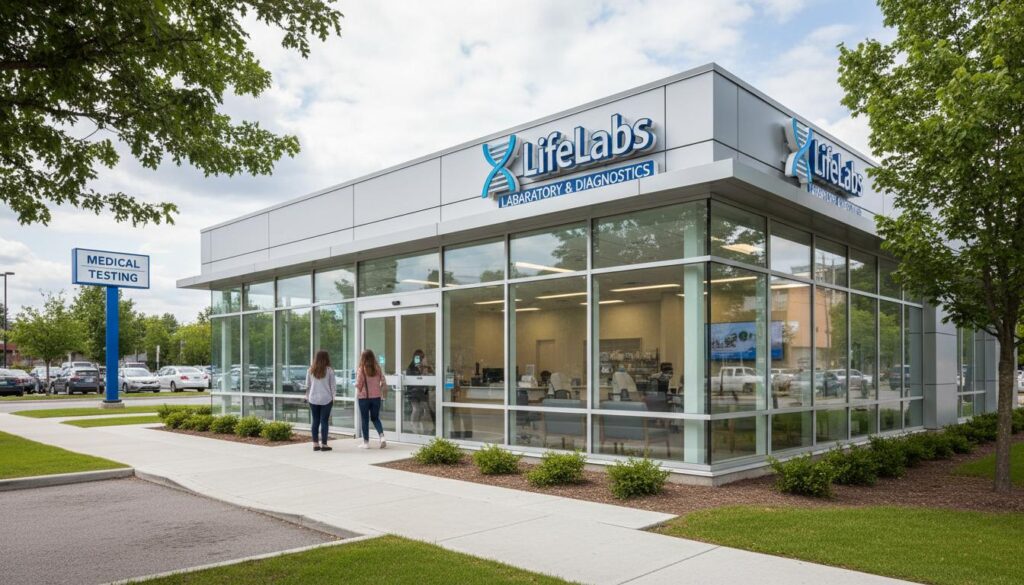
You typed “lifelabs near me” because you want something simple: a nearby place to do your bloodwork or drop off a sample, ideally without hassle. This guide gives you the straight goods for Canada—where LifeLabs operates, how to find the closest location with the services you need, when to book versus walk in, what to bring, how to prep for common tests, what’s covered by OHIP and MSP, and how to get your results quickly through the patient portal. You’ll also find real-world tips Canadians use to save time and avoid repeat visits.
What LifeLabs Does—and Where It Operates in Canada
LifeLabs is one of Canada’s largest community diagnostic laboratories. It runs hundreds of patient service centres (often called “PSCs”) where you can have blood collected, provide urine or stool samples, and access several cardiac and metabolic tests. Most Canadians encounter LifeLabs through routine bloodwork ordered by a family doctor, specialist, or nurse practitioner.
LifeLabs operates patient service centres primarily in two provinces:
- Ontario (OHIP-funded testing when medically necessary and ordered by an authorized provider)
- British Columbia (MSP-funded testing when medically necessary and ordered by an authorized provider)
LifeLabs also performs specialized and reference testing that may serve clinics and hospitals across Canada, and it offers genetic and other advanced tests nationally. But when you’re searching “lifelabs near me” for an in-person visit, you’re almost certainly looking at a location in Ontario or BC. In other provinces, other providers dominate community lab testing—Dynacare (Ontario and Manitoba), Alberta Precision Laboratories (Alberta), and a mix of public and private labs in Quebec (e.g., Biron, CDL). If you’re outside Ontario or BC, you’ll likely need a different lab network for walk‑in bloodwork.
Bottom line: if you’re in Ontario or British Columbia, a LifeLabs near you is likely within a reasonable drive. If you’re elsewhere, confirm the local provider recommended by your clinic or the provincial health authority.
How to Quickly Find a LifeLabs Near Me
There are two fast ways Canadians find the closest LifeLabs location:
- Use the official LifeLabs location finder to search by postal code, city, or your current location. You can filter for services like ECG, glucose tolerance testing, pediatric-friendly sites, wheelchair access, and hours.
- Search Google Maps for “LifeLabs near me,” then open individual location pages to confirm hours, appointment availability, and services listed. Maps are handy for checking parking options, transit routes, and live traffic.
When scanning locations, look beyond distance. The right site is the one that offers the specific service you need, at a time that works, with minimal waiting. A farther clinic with more open slots can still be faster than the busy spot two blocks away.
Step-by-Step: Using the LifeLabs Locator Like a Pro
Whether you’re in Toronto, Ottawa, Vancouver, Victoria, or a smaller city, the workflow is similar:
- Search “LifeLabs locations” and open the official site. Avoid ads posing as booking services.
- Type your postal code, allow location access, or select your city.
- Filter by service if needed (e.g., ECG, Holter, glucose tolerance test, pediatric collections, wheelchair access). Not every PSC offers every service.
- Compare hours and appointment availability. Early mornings fill first, especially for fasting tests. Some sites offer Saturday hours; holiday schedules vary.
- Open the location page and read the notes. You’ll often find practical details like “appointment only,” “limited walk-in capacity,” or “no glucose tolerance testing at this site.”
- Book online if your test requires an appointment or if you want to avoid wait times. If you plan to walk in, check the stated capacity and consider off‑peak times.
Tip: If you’re scheduling for a child, filter for pediatric‑friendly locations and confirm age policies. Some centres have team members experienced with pediatric draws, which makes a huge difference.
How to Choose the Right Location (Not Just the Closest)
Ask yourself a few quick questions before committing to a location:
- Does it offer the service I need? ECG, Holter monitors, glucose tolerance testing (GTT), urea breath testing, and semen analysis are provided at select locations only and often require booking.
- Do I need wheelchair access, a quiet waiting area, or pediatric expertise? Filter accordingly.
- What are the parking and transit options? Downtown cores can be tricky during rush hour; suburban sites may have free parking and shorter lines.
- What’s my schedule? If you need fasting bloodwork, aim for early morning. For non‑fasting tests, mid‑morning or mid‑afternoon can be calmer than the 8–10 a.m. crunch.
In bigger cities, try a second‑choice site five to ten minutes farther away. You can trade a short drive for a much shorter wait.
Appointments vs. Walk‑Ins: What Works Best Now
Post‑pandemic, many LifeLabs locations prioritize or require appointments, while others allow walk‑ins in limited numbers each hour. Policies can differ by site and change over time. For speed and certainty, online booking is usually your best bet, especially if you’re fitting bloodwork into a workday or childcare schedule.
Walk‑ins are still an option at many Ontario and BC locations for routine bloodwork and specimen drop‑off. However, certain tests typically require a booked time slot because of staff, room, or timing requirements—think ECGs, Holter monitors, GTTs, urea breath tests, or semen analysis. Always check the specific location page and service notes before you go.
Best Times to Go (and Times to Avoid)
Patterns vary by neighbourhood, but a few rules of thumb apply across Canada:
- Monday mornings are the busiest. If possible, avoid them.
- Tuesday to Thursday, mid‑morning to early afternoon, tends to be calmer.
- Arrive early for fasting tests; most fasting patients target the early hours.
- Before a long weekend or holiday, crowds build; after holidays, backlogs happen.
- Bad weather can reduce lineups but may also reduce staffing or cause delays. If a winter storm is coming, check for service notices early that morning.
When you can’t avoid peak times, appointments are worth their weight in gold. For walk‑ins, bring a book or plan a short errand nearby in case you need to return after a short hold period—some sites cap the number of walk‑ins they accept per hour.
Who Should Definitely Book
Book an appointment if any of the following apply:
- You’re doing a time‑sensitive test (e.g., 2‑hour or 3‑hour glucose tolerance test) or anything requiring multiple draws.
- You need ECG or Holter monitoring, semen analysis, or a breath test—these are often appointment‑only and available at limited sites.
- You’re coordinating care for a child, an elder, or someone with mobility challenges or anxiety. A set time reduces uncertainty.
- You have a tight schedule around work, classes, or other appointments.
What to Bring to LifeLabs (Don’t Get Turned Away)
To make your visit smooth, pack these essentials:
- Your lab requisition. Paper or digital is fine, as long as it’s readable and complete. If your provider sent it electronically, bring a backup photo or PDF on your phone just in case.
- Your provincial health card (OHIP in Ontario, BC Services Card for MSP). If you have an out‑of‑province plan, bring that card plus secondary ID.
- One piece of government‑issued photo ID if requested (driver’s licence, passport, or provincial photo card). Policies can vary by site and test type.
- Payment method for any uninsured tests or services. Most centres accept major debit/credit cards; some do not take cash. Ask ahead if you’re unsure.
- Any special containers supplied by your clinic or LifeLabs (for 24‑hour urine, stool collection kits, etc.). Check expiry dates on kits that have been sitting at home.
- A list of medications and supplements. It can help staff confirm timing for drug‑level tests.
Pro tip for parents: bring a favourite toy or snack (post‑bloodwork if fasting). A little distraction helps. For yourself, water and a snack for after fasting can prevent lightheadedness on the way home.
Test Preparation: The Essentials Canadians Ask About Most
Test prep is the difference between one visit and two. If your doctor didn’t specify, confirm instructions on the LifeLabs test information directory or through your clinic. Below is a practical overview for common tests across Ontario and BC.
Fasting vs. Non‑Fasting Bloodwork
Not every test requires fasting. When it does, it’s usually 8–12 hours with only water (no coffee, tea, gum, mints, or alcohol). Medications are generally fine unless your prescriber says otherwise. If you need both fasting and non‑fasting tests, prioritize fasting prep—it won’t harm the other results.
Common fasting panels include lipid profiles and some glucose tests. Hemoglobin A1c is non‑fasting. Thyroid tests are non‑fasting. If you’re unsure, it’s safer to fast and bring water, unless you’re diabetic or have another condition making fasting risky. When in doubt, call your prescriber.
Glucose Tolerance Tests (GTT)
These are time‑intensive and almost always require an appointment at a location that offers them. Expect to be on site for 2–3 hours, with multiple timed blood draws after drinking a glucose solution. Bring a book or earbuds. You’ll need to remain in or near the waiting area between draws, so plan childcare and parking accordingly. Ask whether you can bring water; policies can vary by test protocol.
ECG and Holter Monitoring
Many LifeLabs locations perform resting ECGs and fit Holter monitors, but not all of them. Appointments are typically required. Wear a two‑piece outfit and avoid lotions or oils on your chest that day; they can interfere with electrode adhesion. For Holter monitors, you’ll get instructions for bathing and activity. Return the device as directed; delays can affect your results.
Urine, Stool, and Other Specimens
Urine tests may require a “midstream clean‑catch” sample; follow the kit’s cleaning instructions. If you were given multiple containers (e.g., for a 24‑hour urine collection), label everything clearly and keep it refrigerated if instructed. Stool tests have specific instructions for each kit; some need refrigeration or must be delivered within a time window. Read the label before you start, not after.
Breath Tests (e.g., Urea Breath Test for H. pylori)
These typically require an appointment and specific preparation—no antibiotics, bismuth, or certain acid‑suppressing medications for a period before the test. You’ll be asked to avoid strenuous exercise and certain foods. The exact protocol depends on the test; always check your requisition and LifeLabs’ prep sheet.
Semen Analysis
Offered at select patient service centres and by appointment only. Abstain from ejaculation for the number of days specified on your requisition (often 2–7 days). The sample must be produced within a strict window and kept at body temperature. Ask the lab for instructions before your appointment so you don’t have to repeat the test.
Medications, Supplements, and Timing
For drug levels (e.g., INR/warfarin, lithium, anti‑epileptic drugs), timing matters. Your provider will note whether to test at trough, peak, or a specific time after dosing. Bring your dosing schedule so the phlebotomist can note it accurately. For common panels, continue your usual meds unless told otherwise.
Coverage, Fees, and Billing in Ontario and BC
Canadians rightly want to know what’s covered. The short version:
- Ontario: OHIP covers medically necessary lab tests ordered by an authorized provider on an appropriate requisition. Some tests are uninsured and require private payment (examples often include certain vitamin levels, fertility‑related tests, or screening tests not deemed medically necessary). When in doubt, ask your provider or confirm with LifeLabs before your visit.
- British Columbia: MSP covers medically necessary tests ordered by an authorized provider. As in Ontario, a subset of tests is not covered and may require private payment.
Employers and private insurers may reimburse some uninsured tests; request an itemized receipt from LifeLabs for claims. Prices vary by test and province and can change without notice. If cost matters, ask the lab to quote before collection. Staff can also tell you if a cheaper alternative exists (e.g., a different test that answers the same clinical question and is covered).
Out‑of‑province visitors: With a valid reciprocal Canadian provincial health card, many medically necessary tests are billable to your home province, but it’s safest to confirm with the lab and your insurer. For uninsured tests, be prepared to pay up front.
Accessing Your Results: MyCareCompass
In Ontario and British Columbia, most LifeLabs results can be viewed online through the MyCareCompass patient portal once they’re released. Here’s how it typically works:
- Create an account on the portal using your email.
- Verify your identity and link your provincial health information as instructed. You may need to confirm details from your most recent testing or your health card.
- Check back for results. Turnaround varies by test—some same day or next day (e.g., CBC), others several days, and specialized tests can take weeks. The portal usually shows the test name, value, reference range, and in some cases, historical trends.
Remember: your provider receives results too and is the best person to interpret them in context. Normal ranges can vary by lab method and clinical situation. If you see an unexpected flag, resist the urge to panic‑Google; book a follow‑up with your clinician. If you don’t see your result after the expected time frame, contact your provider first—they can see if the lab is still processing, if a recollection is needed, or if a result was sent to a specialist.
Special Services at Select LifeLabs Locations
Not every “lifelabs near me” will have everything. Before you go, confirm whether the service you need is offered at that location and whether it requires an appointment.
- ECG (electrocardiogram) and Holter monitors: Available at select sites; typically appointment‑based.
- Glucose tolerance testing (1‑, 2‑, or 3‑hour protocols): Appointment‑based and time‑intensive; check availability before you arrive.
- Urea breath testing (H. pylori) and other breath tests: Select sites, appointments required, strict prep.
- Semen analysis: Limited sites, strict handling and timing, appointment required.
- Pediatric phlebotomy: Many sites perform pediatric draws, but not all. Look for child‑friendly notes on the location page, or call ahead for infants and toddlers.
- Home collection/mobile services: Available in some regions for those who cannot travel; may involve fees unless covered by a program. Booking is required.
When in doubt, book or call. Showing up at a location that doesn’t offer your service is a classic way to lose an hour.
Practical Scenarios Canadians Run Into (And How to Handle Them)
“My Requisition Is on My Doctor’s Portal—Do I Need a Paper Copy?”
LifeLabs accepts electronic requisitions from many clinics. Still, bring a printout or a clear photo/PDF on your phone to avoid delays, especially if you’re switching locations at the last minute. If you’ve truly lost track, ask your clinic to resend the requisition to the lab electronically and to you by email or portal message.
“I Moved from Quebec/Manitoba/Alberta—Can I Use My Old Requisition Here?”
Requisitions are legal documents. In Ontario and BC, LifeLabs generally accepts valid requisitions from authorized Canadian providers, but billing and coverage may differ. If your requisition uses another lab’s form, LifeLabs often still honours it if it contains all required information. To avoid hiccups, call the location with your requisition in hand; they can advise based on the specifics.
“I Forgot to Fast. Should I Still Go?”
Many tests don’t require fasting, and some require only a short fast. If you accidentally ate and your order includes a lipid panel or glucose testing that requires fasting, it’s usually better to reschedule. If timing is critical, go anyway and tell the phlebotomist exactly when and what you ate—the provider can interpret or decide if a repeat is needed.
“I Feel Faint During Bloodwork”
Tell staff before the draw if you’ve fainted in the past. They can recline you and keep a closer eye. Hydrate well (unless you’re on strict fluid limits), eat after your bloodwork if fasting, and don’t rush out the door. It’s okay to sit a minute before leaving.
“The Lab Asked Me to Recollect a Sample. Why?”
Reasons include: clotted blood in a tube that needed mixing, insufficient volume, hemolysis from a difficult draw, a broken chain of custody for specific tests, or a specimen that exceeded stability limits due to delays or temperature. It’s frustrating. It’s also unavoidable sometimes. Staff can often schedule you at a quieter time or arrange a different site if access is challenging.
“Winter Storm Closed My Nearest Lab—What Now?”
Severe weather can trigger temporary closures or reduced hours. Check the LifeLabs site or call before travelling. Consider booking at a location that’s open later that day or the next morning. If your test is time‑critical (e.g., INR monitoring), ask your prescriber about alternatives or hospital outpatient labs during disruptions.
Privacy, Consent, and Your Information
In Ontario, the Personal Health Information Protection Act (PHIPA) governs how your lab data is collected, used, and shared. In British Columbia, the Personal Information Protection Act (PIPA) and related health privacy laws apply. LifeLabs is a health information custodian under these laws. Practically speaking, this means:
- Your results are shared with the clinician(s) on your requisition and with others you authorize.
- You can access most results through MyCareCompass; identification is required to link your information.
- Staff verify your identity before discussing personal details. Bring proper ID and your health card.
- Minors’ results may involve parental/guardian access rules that depend on age and provincial law. Ask if you’re unsure.
Have concerns about who can see your results? Talk to the lab or your provider before testing. You can also request a record of disclosures in many cases.
LifeLabs vs. Hospitals vs. Other Community Labs
When you search “lab test near me” or “bloodwork near me,” you’ll see a mix of community labs and hospital outpatient labs. Which to choose?
- LifeLabs (Ontario/BC): Convenient for most community‑ordered bloodwork, specimen drop‑offs, and select tests like ECG and GTT at participating sites. Online booking and results through MyCareCompass.
- Hospitals: Often better for urgent, complex, or specialized testing tied to hospital clinics. Waits can be long for routine bloodwork, and hours may be limited.
- Other community labs (e.g., Dynacare in Ontario/Manitoba, private labs in Quebec): Sometimes closer to home or work. If your provider used a specific lab requisition, it may include billing/coverage details tailored to that lab.
It’s okay to compare. If you’re in Ontario or BC, “nearest LifeLabs” is generally a safe and simple pick for community testing. If your doctor strongly prefers a specific lab for a test (e.g., for genetics or a specialized panel), follow their lead.
Seasonal and Local Factors That Affect Visits
Canada throws curveballs. A few realities that affect LifeLabs visits:
- Flu season and winter respiratory surges increase overall testing volumes. Expect slower mornings and busier Mondays.
- Wildfires, floods, and extreme heat can disrupt hours in affected regions. Check alerts on the day you travel.
- Long weekends cluster demand. If your requisition isn’t urgent, aim for mid‑week in non‑holiday weeks.
- University towns get waves of students at the start of terms for health checks and vaccinations. If you live near campus, anticipate the rush.
If your care is time‑sensitive, book an appointment early in the week and early in the day. For non‑urgent work, avoid the obvious peak times and you’ll thank yourself later.
Common Questions About Children, Seniors, and Accessibility
LifeLabs centres aim to be accessible, but capacity and expertise vary by site. If you’re bringing a toddler or infant, choose a location noted as pediatric‑friendly and ask if a specific phlebotomist is experienced with young children. For seniors with mobility issues, confirm wheelchair access and parking. Many Ontario and BC sites have automatic doors, accessible washrooms, and chairs with arms for safer seating after a draw.
For homebound patients, ask your provider if you qualify for home collection and whether it’s covered or fee‑based in your area. If you’re a caregiver booking for someone else, check whether you need a signed consent form or power of attorney documentation for accessing results on their behalf.
A Simple Checklist Before You Leave Home
- Requisition: printed or digital, legible, and complete.
- Health card and ID: valid and in your wallet.
- Payment method: for any uninsured tests, if applicable.
- Prep done: fasting, medication timing, collection kits, and special instructions confirmed.
- Comfort plan: water, snack (post‑test), and time cushion after the draw—especially if you’ve fainted before.
- Appointment details: time, location, and service confirmed; arrive 5–10 minutes early.
Sample Prep Guide: Common Tests and How to Prepare
| Test or Service | Fasting Required? | Appointment? | Key Prep Tips | Typical Turnaround |
|---|---|---|---|---|
| Routine blood panel (CBC, electrolytes) | No | Recommended but many sites accept walk‑ins | Hydrate; take meds as usual unless instructed otherwise | Same day to 1–2 days |
| Lipid panel (cholesterol, triglycerides) | Often 8–12 hours; some providers accept non‑fasting | Recommended | Water only; no alcohol 24 hours | 1–3 days |
| Fasting glucose | 8 hours typically | Recommended | No food or caloric beverages; water allowed | Same day to 1–2 days |
| Glucose tolerance test (2–3 hour) | Yes (per protocol) | Yes | Plan 2–3 hours on site; follow timing exactly | 1–3 days |
| Thyroid panel (TSH, Free T4) | No | Recommended | Take meds unless told otherwise | 1–3 days |
| INR/warfarin monitoring | No | Recommended | Test timing may be specified; report dose changes | Same day to 1 day |
| ECG (electrocardiogram) | No | Yes (usually) | No lotions/oils on chest; wear two‑piece outfit | Report to provider, often same day |
| Holter monitor | No | Yes | Shower beforehand; follow return instructions | Varies; analysis after device return |
| Urea breath test | Per protocol | Yes | Medication restrictions in advance; follow diet guidance | Several days |
| Semen analysis | N/A | Yes | Abstain as directed; deliver within required time window | Several days |
| Urine/stool tests | N/A | Often walk‑in for drop‑off | Follow kit instructions; some require refrigeration | Varies by test |
Turnaround times depend on testing volume, location, and whether the test is done on‑site or at a central lab. For urgent questions, your provider can mark a test “stat” when clinically appropriate.
How to Read Your Results Without Overreacting
When your LifeLabs results appear in MyCareCompass, you’ll see values with a reference range. A flag (H or L) means the value is above or below the reference, not necessarily that something is wrong. Ranges differ by age, sex, methodology, and even altitude. A single slightly high value can be harmless or expected (post‑exercise creatine kinase, for example); a trend or context matters more. If anything surprises you, share the results with your clinician. They can overlay your history, medications, and symptoms to make sense of the numbers.
When Time Matters: Strategies to Speed Things Up
- Book the earliest appointment of the day at a site that opens before work.
- If you’re flexible, choose a location 10–15 minutes farther with better appointment availability. The total time saved can be an hour.
- Prep the night before: set a reminder to fast, fill out any forms, pack your health card and requisition.
- If you need multiple timed tests, ask if they can be combined at one site or split across visits to reduce time on one day.
- For drug levels, confirm exact timing with your prescriber so the result is clinically useful the first time.
Troubleshooting: Billing, Receipts, and Requisitions
If you’re billed for an uninsured test, you should receive an itemized receipt listing the test name and cost. Keep it for tax or insurance claims. If you believe a test should have been covered by OHIP or MSP, contact your provider first to confirm medical necessity and coding, then speak with LifeLabs billing about next steps.
Lost your requisition? Ask your clinic to resend it electronically to LifeLabs and to your email or patient portal. If you arrive without it, staff may be able to locate an e‑requisition if it was sent, but this isn’t guaranteed across all clinics. Save yourself a second trip: confirm before leaving home.
Using “Lifelabs Near Me” Searches More Effectively
To turn a quick search into a productive visit, try these search variations and comparisons:
- “lifelabs near me open Saturday” if weekend hours matter.
- “lifelabs near me pediatric” if bringing a child.
- “lifelabs near me ECG” or “glucose tolerance test near me” for service‑specific queries.
- “closest LifeLabs with parking” plus your neighbourhood name (locals often leave useful notes in reviews).
- “lab test near me walk‑in” if you can’t book but need a same‑day draw.
Once you pick a spot, stop searching and commit. The biggest time‑waster is bouncing between locations without booking.
Safety and Quality: What to Expect at the Chair
Phlebotomists at LifeLabs perform large volumes of blood draws daily and follow standardized protocols: patient identification, site cleaning, sterile equipment, order of draw, labelling tubes at the chair, and verification before you leave. If a draw is difficult (small or rolling veins), they may try a different gauge needle, a pediatric tube, or a different site. You can request an experienced collector if you’ve had problems before; staff do their best to accommodate.
Mild bruising is common and typically fades within a week. Press firmly on the site for 2–3 minutes after the needle is withdrawn, longer if you’re on blood thinners. Skip heavy lifting with that arm for a few hours.
If You’re New to Canada or New to the Province
Just moved to Ontario or BC? Until your provincial health coverage is active, you may be asked to pay and then claim reimbursement if eligible. Keep all receipts. If you’re covered by a federal program or private insurance, bring those details. Many family doctors and walk‑in clinics will help you prioritize essential tests while your coverage transitions.
A Note on Special or Private Tests
LifeLabs offers specialized tests, including some genetic and advanced diagnostics. Some are covered when medically indicated; many are private pay. Prices can vary widely, and funding policies change over time. Before you commit, ask about costs, turnaround, and whether public programs or employer plans might cover part or all of the fee. Your provider may also suggest an alternative test that’s covered and clinically appropriate.
Putting It All Together: A Simple Plan for a Smooth Visit
Here’s the no‑drama way to handle “lifelabs near me” from search to results:
- Find the nearest LifeLabs locations in Ontario or BC; compare services and hours.
- Book online unless you know your site accepts walk‑ins with short waits.
- Confirm prep: fasting, meds, special containers, or timing.
- Pack what you need: requisition, health card, ID, payment method, water.
- Arrive a bit early; tell staff about any past fainting or access issues.
- Afterward, check MyCareCompass for results and follow up with your provider for interpretation.
FAQs: Lifelabs Near Me in Canada
Do I need an appointment, or can I walk in?
Many LifeLabs locations accept walk‑ins for routine bloodwork and specimen drop‑off, but capacity is limited and varies by site. Appointments are recommended and often required for ECG, Holter monitors, glucose tolerance tests, breath tests, and semen analysis. Check the specific location page before you go.
Which provinces have LifeLabs patient service centres?
LifeLabs operates community patient service centres mainly in Ontario and British Columbia. In other provinces, community lab work is typically handled by different providers. If you’re outside ON/BC, ask your clinic which lab to use.
Is bloodwork free with OHIP or MSP?
Medically necessary tests ordered by an authorized provider are usually covered by OHIP (Ontario) or MSP (BC). Some tests are uninsured and require payment. If cost is a concern, ask the lab or your provider before testing.
Can I use a requisition from another lab or another province at LifeLabs?
Often yes, if the requisition is complete and from an authorized Canadian provider. Coverage and billing may differ. To avoid surprises, call the LifeLabs location with your requisition in hand.
How fast will I get results?
Routine tests like CBC and electrolytes often return the same day or within 1–2 days. Lipids and thyroid panels usually take a couple of days. Time‑intensive or specialized tests can take longer. MyCareCompass updates as results are released; your provider also receives them.
What if my result is marked high or low?
Flags indicate values outside the reference range, not necessarily a problem. Ranges are general; your provider interprets them in context. If you’re worried, book a follow‑up.
What should I do if I forgot to fast?
If your requisition includes fasting tests like a lipid panel or fasting glucose, it’s best to reschedule. If you go anyway, tell the phlebotomist exactly what and when you ate or drank (other than water). Your provider can decide whether to accept the result or repeat it.
Do LifeLabs locations draw blood for children?
Many do, but expertise and minimum ages vary. Filter for pediatric‑friendly locations and consider calling ahead if your child is very young. Bring comfort items and plan for a quick snack afterward if fasting.
Can LifeLabs collect at home?
Home collection is available in some regions for patients who cannot travel; it may involve fees unless covered by a program. Ask your provider or LifeLabs customer service about eligibility and booking.
What payment methods are accepted for uninsured tests?
Most centres accept major debit and credit cards; some may be cashless. If you plan to pay, verify accepted methods for your specific location and request an itemized receipt for insurance claims.
How do I access my results online?
Register for MyCareCompass, verify your identity, and link your health information as instructed. Most results appear there after they’re released. Keep your login secure and update your contact info for notifications.
What if my requisition is electronic—do I still need a paper copy?
If your clinic sent an e‑requisition, a paper copy isn’t required. Still, bringing a screenshot or PDF can save time if there’s a mismatch in details across systems. When in doubt, carry a backup.
Do I need to stop my medications before testing?
Usually no, unless your prescriber told you otherwise. For drug‑level testing, timing matters more than stopping. If instructions aren’t clear, contact your provider before changing any medication.
Can I choose any LifeLabs for ECG or GTT?
No. These services are offered at select sites, and appointments are typically required. Use the LifeLabs locator to filter by service and book ahead.
What happens if LifeLabs can’t find a vein?
Phlebotomists can try different techniques, smaller tubes, or a different site. If it’s still difficult, they may suggest a return visit or a different location. Hydration helps; drink water unless you’re on restricted fluids.
Are LifeLabs locations open on Saturdays?
Some are, especially in larger cities. Use the location finder and filter by hours. Holiday weekends may have reduced hours—check the calendar as schedules change seasonally.
Can I bring a translator or support person?
Yes. You can bring a family member, friend, or interpreter. Inform staff if you need assistance with forms or consent; they’ll explain what’s required for privacy compliance.
Final Thought
Finding a “lifelabs near me” is step one. The real time‑savers are booking the right location, confirming prep, and bringing what you need. With that done, most Canadians get in and out quickly—and see results in MyCareCompass soon after. If you hit a snag, ask. Staff handle these questions every day and can steer you to the smoothest option in your area.