
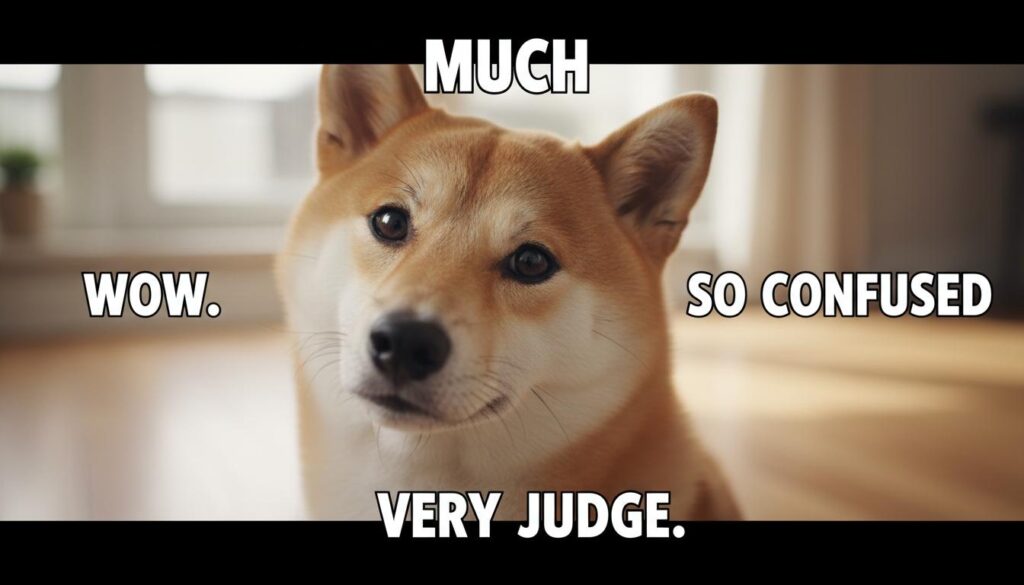
Memes aren’t just jokes with pictures. They’re how millions of Canadians talk to each other online—fast, funny, and often sharper than a week-old cheddar. They can spark joy in a group chat, frame a political debate, or make a brand feel human for the first time. This guide dives into memes with a Canadian lens: what they are, how they evolve, where they thrive, how to make them well, and how to use them responsibly under Canadian laws and norms. You’ll find practical tactics, ethical guardrails, and local examples, from Drakeposting to hockey banter to bilingual punchlines that actually land.
If you’ve ever wondered why some jokes ride the algorithm to glory while others die in the drafts, or how far “fair dealing” lets you go when remixing a clip, you’re in the right place. Ready?
What Are Memes, Really?
A meme is a cultural unit that spreads from person to person. The term comes from biologist Richard Dawkins, who used it to describe how ideas replicate and evolve. On the internet, memes are the remixable bits—images, GIFs, video clips, phrases, formats—that people copy, twist, and pass on. They travel because they’re sticky, simple enough to grasp in a blink, and adaptable to new situations.
Today, “memes” cover many forms:
- Image macros with top-and-bottom text (think Impact font classics, but also the crisp, modern typography you see on Instagram and X).
- Short videos on TikTok, Instagram Reels, and YouTube Shorts—audio-driven trends where the joke is in the timing, the caption, or the twist on a template.
- GIF reactions: silent microperformances that carry tone better than punctuation ever could.
- Copypasta: blocks of text reused to create a recurring in-joke, sometimes with local twists (“storm chips” in the Maritimes, anyone?).
- Screenshot memes: tweets, texts, or news snippets repackaged as images to ride across platforms.
- Charts, graphs, and “explainers” that say the quiet part out loud—popular in Canadian political and policy communities.
What ties them together? A meme expresses a shared idea quickly and invites people to make it their own. The audience becomes the co-author.
A Short History of Internet Memes
Early internet culture spread through message boards and email chains. The jokes were weird, text-heavy, and often insider. By the late 2000s, image macros—LOLcats, Advice Animals, Rage Comics—made jokes legible at a glance, and mainstream social networks gave them a highway. The 2010s brought Vine’s six-second punchlines, then TikTok’s audio-based formats and a remix culture made for mobile. We also saw niche memes flourish in private spaces: WhatsApp groups, Discord servers, and locked Instagram accounts where in-jokes evolve out of sight.
Every generation of memes leans on the tools of its moment. Broadband brought GIFs. Front-facing smartphone cameras made reaction videos easy. TikTok made audio the anchor, with text overlays delivering the twist. What hasn’t changed: timing, relatability, and a format flexible enough to be remixed by thousands of people in a weekend.
What Makes a Meme Canadian?
There’s no single Canadian meme, but there are flavours that recur—call it the polite roast. Canadian memes tend to skewer the everyday: winter that overstays its welcome, rent that strains credulity, transit that tests patience, and the national pastime of apologizing when someone else bumps into you.
Common ingredients include:
- Weather as personality: heat waves on the Prairies, “it’s construction season” jokes in Ontario, and “-30 but sunny” flexes from the North.
- Hockey: roster moves, playoff heartbreak, and that universal “button your chinstrap, buddy” energy. If you lived through the Raptors’ 2019 championship run, you also know basketball memes have a home here—“We The North” turned into a thousand riffs.
- Food and drink: double-doubles, ketchup chips, poutine debates, and the sacred storm chip stash in the Atlantic provinces when a nor’easter rolls in.
- Transit and traffic: TTC signal problems, Montreal’s orange construction cones, Calgary’s CTrain foibles, Vancouver’s SkyTrain etiquette, and the eternal “Yellowknife drivers are built different.”
- Regional quirks: Quebec’s joual and “dépanneur” culture; the East Coast’s kitchen parties; Alberta’s oil patch and pickup truck memes; the many colours of Toronto vs. “the rest of Canada” banter.
Bilingualism adds another layer. A joke might land differently—or better—in French. Anglophones borrow “tabarnak” for comedic heat, while francophones meme about the “Office québécois de la langue française” with affectionate exasperation. Smart creators lean into both languages thoughtfully, translating punchlines rather than words, or creating parallel versions tailored to each audience.
And then there’s Drake. The “Hotline Bling” dance, “if you’re reading this” covers, and the two-panel “Drakeposting” reaction format became global templates that Canadians continue to bend to local stories—from housing prices to Leafs losses. Heritage Minutes also occupy a special place; brands and activists alike remix them to wink at shared history or question whose stories made the cut.
Where Memes Live in Canada
Memes propagate where Canadians scroll, comment, and lurk:
- Reddit: r/canada, r/ontario, r/vancouver, r/calgary, r/Toronto, r/Quebec, r/CanadaPolitics—each with its own tone. Regional subs love hyperlocal memes (e.g., a single Tim Hortons with a drive-thru line that deserves its own traffic report).
- TikTok: Short-form skits, lip-syncs, and stitched reactions. Canadian creators lean into accents and local context—Quebec TikTok has a distinct vibe and soundscape.
- Instagram: Explore-friendly meme pages, community accounts (like those highlighting Toronto or Montreal nightlife and news), and Stories where ephemeral jokes thrive.
- X (formerly Twitter): Rapid-fire commentary and screenshots that later become Instagram posts. Political and sports memes spike here during debates and big games.
- Facebook: Neighbourhood groups and buy-sell pages are sleeper hits for hyperlocal memes—Mom groups exchange the best PTA jokes on Earth.
- Discord and WhatsApp: Smaller, private circles generate in-jokes that occasionally escape into the wider web, often stripped of their original context (and innocence).
- Snapchat: Less public, more personal. Memes on Snap ride inside jokes and visual gags with stickers and filters.
Each platform rewards a different style. Reddit likes a solid setup and payoff in one frame. TikTok rewards tight editing and an immediate hook. Instagram leans on elegance and nostalgia. The same joke can be re-edited three ways for three audiences, and it should be.
Anatomy of a Meme: Formats That Work
Good memes have a few traits in common: an instantly legible premise, a relatable truth, and just enough specificity to feel fresh. They’re also modular—other people can swap in new details without breaking the joke.
Below is a quick guide to common formats and where they shine.
| Meme Format | Strengths | Where It Works | Typical Tools |
|---|---|---|---|
| Image macro (two-panel or single image) | Instant comprehension; great for split opinions (“this vs. that”) | Reddit, Instagram, X | Canva, Adobe Express, Kapwing |
| GIF reaction | Emotion without words; universal body language | X, Reddit comments, Slack | GIPHY, Tenor, built-in keyboards |
| Short video with trending audio | High reach potential; remixable with stitches/duets | TikTok, Reels, Shorts | TikTok editor, CapCut, InShot |
| Copypasta screenshot | Portable across platforms; adds faux-authority | Instagram, Facebook, Reddit | Native screenshots, simple crop tools |
| Chart/graph with twist | Appeals to policy/sports nerds; great for dry humour | X, LinkedIn (carefully), Reddit | Google Sheets, Flourish, Canva |
| Map memes | Regional pride and rivalry; visual clarity | Reddit, Instagram | Mapchart, QGIS (advanced), Canva |
Whether you’re joking about the first patio day in Calgary or the last slushy snowfall in Halifax, pick a format that matches the energy: fast and goofy, quiet and observational, or nerdy and precise.
How Memes Spread: The Mechanics of Virality
Virality isn’t random; it’s math and momentum. A meme takes off when people who see it share it with at least one other person, quickly. Algorithms help or hinder that spread based on signals like watch time, saves, comments, and shares. But even in 2026, human networks matter most. If your group chat adopts a format and keeps riffing, you’ve got a spark.
Factors that boost a meme’s odds:
- Remixability: One template can spawn hundreds of jokes. The simpler the frame, the more likely others will try their own version.
- Timeliness: Jokes tied to fresh news or a game-deciding goal hit hardest. Keep an eye on Canadian time zones—East Coast to Pacific—when timing releases.
- Low friction: Easy to read (or hear) in under two seconds. Legible text, tight cuts, clear references.
- Social identity: It flatters the in-group (Leafs fans, Vancouver cyclists, Acadian pride) without punching down.
- Emotion: Surprise, delight, or the cathartic nod of “it me.”
There’s also the anti-virality checklist: too many words; niche references without context; muddy audio; punchlines that require a Wikipedia detour. A great joke ruined by tiny caption text is a tragedy. Keep it readable on a phone in direct sunlight.
Creating Memes: Tools, Workflow, and Craft
There’s no factory for funny, but a reliable process helps. Here’s a practical workflow built for Canadian creators, community managers, and small businesses.
Start With Signals
Scan for topics simmering in your circles: local news, weather, sports, transit snafus, and school calendars. Check trending audio on TikTok and Reels. Dip into regional subreddits and community pages. Make a short list of references that feel current in your city or province.
Pick the Right Template
Match the energy of your idea to a format. Fast absurdity? Two-panel reaction. Slow-burn insight? Chart with a wink. For bilingual audiences, consider whether the joke survives translation. If it doesn’t, build two distinct versions—don’t jam English and French into one awkward frame.
Write Tight
Memes are microcopy. Fewer words, stronger verbs, and rhythm that lands at the exact moment the viewer expects it—or a beat after. Avoid explaining the joke in the caption. If you need context, bake it into the setup image or the first two seconds of your video.
Design for Small Screens
Use high-contrast text and adequate font size. Keep safe zones clear so UI elements don’t cover your punchline on TikTok or Instagram. Test on a cheap phone if you can. Many Canadians see your post on bus data speeds in glare, not on a studio monitor.
Produce Quickly, But Sanely
Trends move fast, but a 20-minute pause to sanity-check tone, spelling, and legal risk saves embarrassment. Create a lightweight checklist: Is the person identifiable? Could this be defamation? Is there a slur masked as a “joke”? Does it need a French version for Quebec audiences? Run the list, then ship.
Tools That Make It Easier
- Design: Canva, Adobe Express, Figma for teams, Kapwing for browser-based edits.
- Video: TikTok’s native editor, CapCut, DaVinci Resolve (advanced), InShot.
- GIFs: GIPHY Capture (desktop), mobile screen recorders.
- Accessibility: built-in alt text on Instagram, X, and LinkedIn; auto-captions on TikTok and Reels (edit them).
- Template libraries: Meme template sites (use thoughtfully; check rights if using photos for commercial work).
Accessibility Is Not Optional
Text alternatives help everyone and reduce legal risk. In Ontario, the Accessibility for Ontarians with Disabilities Act (AODA) nudges organizations toward WCAG-aligned practices. Practically, that means:
- Add alt text that conveys the joke and the key visual (“Two-panel meme: top shows snowbanks taller than a person; bottom shows a patio table buried in snow with a beer. Caption: ‘First patio day’”).
- Use captions on videos; edit them for accuracy. Avoid flashing content that could trigger seizures.
- Choose colour contrast that works for low-vision users. Black text on white beats pastel-on-pastel.
Respect the Line Between Inside Joke and Gatekeeping
In-jokes build community, but if the humour depends on mocking people who aren’t in on it—or who can’t opt out—it ages badly. The best memes punch up or sideways, not down.
Legal and Ethical Ground Rules in Canada
This section is not legal advice, but it highlights the major issues creators, community managers, and brands should consider in Canada. Memes may feel casual; the law is not.
Copyright and Fair Dealing
Canada’s Copyright Act protects original works (photos, videos, text, music). Using someone else’s content without permission can infringe, even in a meme. However, “fair dealing” provides exceptions for specific purposes, such as research, private study, education, criticism, review, news reporting, parody, and satire. Courts weigh factors like the purpose, amount used, alternatives, and impact on the market for the original work.
Practical takeaways:
- Parody and satire can strengthen a fair dealing claim, especially for commentary, but they are not a blanket shield. Use only what you need for the joke to work.
- Transform the work meaningfully—add new expression or message, not just a crop and caption.
- For brand accounts, risk tolerance should be lower. Commercial context weighs against fair dealing. Consider licensing, using public domain content, or creating your own assets.
- If you criticize or review a work, credit the source as required when relying on those grounds.
Personality Rights and Privacy
Provinces recognize personality and privacy rights in different ways. Using someone’s image, voice, or identifiable likeness without consent can raise issues, especially in commercial contexts. Quebec provides robust protection for privacy and image rights under the Civil Code. Common law provinces recognize torts related to appropriation of personality and intrusion upon seclusion.
Practical takeaways:
- Don’t turn private individuals into the face of a joke without consent. Public figures have less expectation of privacy, but not zero.
- In Quebec, using a person’s image for promotional purposes typically requires explicit consent.
- A random person you caught slipping on ice is not a meme template for your corporate social channel. Blur faces or use actors/staged content.
Defamation
False statements that harm reputation can lead to defamation claims. Memes compress context; satire can be misread. If the joke implies a factual allegation (crime, incompetence, dishonesty), tread carefully. Truth is a defence, but “it’s just a meme” is not.
PIPEDA and Personal Data
Canada’s federal Personal Information Protection and Electronic Documents Act (PIPEDA) governs how organizations collect, use, and disclose personal information in commercial activities. Grabbing user content without consent and dropping it into your brand’s meme can be a privacy issue, even if it’s public on a platform.
Practical takeaways:
- Ask permission before reposting UGC on brand channels. Keep a record of consent.
- Redact names or blur images when in doubt.
CASL and Distribution
If you email memes as part of marketing, Canada’s Anti-Spam Legislation (CASL) requires consent and proper identification. Text message memes also fall under CASL if they’re commercial. Social posts are typically outside CASL, but paid DMs and messaging campaigns raise compliance questions.
Language Requirements in Quebec
For brand communications that qualify as commercial advertising in Quebec, the Charter of the French Language requires French to be present (and often prominent). If you publish meme-based ads to Quebec audiences, prepare French versions. For organic content, best practice is still to include French where your audience expects it.
Hate Speech and Harassment
Canada’s Criminal Code prohibits the wilful promotion of hatred against identifiable groups. Provincial human rights codes and platform rules layer on additional prohibitions. Don’t launder bigotry through “just joking.” Moderation policies matter if you run a page, and they should be posted clearly.
Memes at Work: Marketing and Communications
When brands and organizations join meme culture thoughtfully, they meet people where they already are. When they force it, audiences recoil. The difference lies in intent, timing, and a humble grasp of the room.
Find Your Voice First
Memes aren’t a personality; they’re a vehicle. Decide your brand’s tone: dry and clever, warm and earnest, or gleefully goofy. A municipal transit account can get away with self-deprecating jokes about delays; a hospital should not joke about wait times. Align humour with mission and responsibility.
Build a Lightweight Playbook
- Topics you lean into (weather, local sports, food) and topics you avoid (tragedies, charged politics, court cases).
- Approval paths that move fast: one editor, one legal checkpoint for higher-risk posts.
- Design templates with accessible typography and space for bilingual variants.
- Escalation plans for blowback: who replies, who apologizes, and how quickly.
Use Local References That Welcome People In
In Canada, small details win big: a TTC streetcar number, a photo of the Stanley Park seawall after the first cherry blossoms, a clip of a wind-whipped Harbourfront in January. The right neighbourhood reference tells your audience you actually live here.
Case Notes From the Field
Real-world patterns, minus the hype:
- Timely sports memes travel beyond superfans when they capture a citywide mood (think Raptors’ parade energy or a critical Game 7). Keep brand logos subtle or skip them entirely on the first post; follow up with something more on-brand once the conversation is yours to share.
- Transit agencies earn goodwill with gentle self-roasts—paired with clear service updates. The humour softens the blow, but the information must be accurate and timely.
- Restaurants do best with hyperlocal bits—photograph that patio under a freak April snowfall and let the caption do the rest. Be careful with crowds: get consent when faces are visible.
Community Management Matters
Memes pull comments out of lurkers. If you’re a brand or public agency, plan for replies. Pin clarifications, answer reasonable questions, and remove harassment quickly. If you’re posting in both English and French, moderate both with equal attention.
Politics, News, and Civic Life
Political memes can energize voters, recast narratives, or muddy the waters. During federal and provincial elections, online content intersects with campaign finance and advertising rules. Under the Canada Elections Act, paid online political ads generally require authorization statements. If you promote a partisan meme with ad spend, it may count as advertising and trigger disclosures and spending limits, including for third parties. Rules can vary by province for local elections.
Organic memes that express opinions without ad spend usually sit outside the formal advertising rules, but defamation and platform policies still apply. If you run a newsroom or NGO, treat meme-based explainers as journalism: verify facts, label opinion, and correct mistakes swiftly. Screenshots of old posts can mislead; preserve context with dates and links in the caption.
Education and Community: Using Memes in Classrooms and Nonprofits
Teachers and youth workers have long used memes to teach media literacy. The exercise is simple and powerful: analyze why a meme is funny (or not), what assumptions it makes, and whether it punches up or down. Students can create their own memes on historical events, scientific concepts, or current affairs—turning passive consumption into critical creation.
Fair dealing can help in educational settings. When possible, use public domain images, Creative Commons-licensed content, or student-made assets. Teaching in Quebec? Prepare French materials that respect regional language norms and humour sensibilities. Across Canada, remember accessibility: alt text on classroom slides and captions in student videos.
Measuring Impact: Analytics and KPIs
A meme that “did numbers” is nice; a meme that moved a goal is better. Define success before you post. Is it community engagement? Website clicks? Donations? Fewer angry calls to 311?
- Top-of-funnel: impressions, reach, video views, unique accounts reached.
- Engagement: likes, comments, shares, saves, stitches/duets, Discord joins.
- Quality signals: share rate, save rate, completion rate (for videos), sentiment in comments.
- Downstream: click-through rate, UTM-tagged sessions in GA4, email sign-ups, coupon redemptions.
Track when Canada’s time zones come online. An 8 a.m. Eastern post might miss Vancouver commuters; a noon Pacific drop will hit the Maritimes at supper. Test, then staple your learnings to your content calendar.
Future of Memes in Canada
Memes evolve with tech and taste. A few trajectories to watch:
- AI-assisted creation: Generative tools can spit out images and scripts quickly. Expect an arms race in novelty and authenticity. Be transparent when it matters, and verify you’re not mimicking a living artist’s style in a way that invites legal or ethical flak.
- Deepfakes and synthetic audio: Satire will blur with deception. Newsrooms and public agencies need protocols for rapid verification and clear labeling.
- Closed gardens: More jokes will live inside DMs and private servers. Public-facing meme pages will reflect, not generate, the freshest formats.
- Regional renaissance: As housing, climate, and transit debates intensify across cities, local meme ecosystems will get sharper—and more civically useful, if creators keep a respect-for-facts backbone.
- Accessibility and compliance: Expect stronger expectations around alt text, captions, and language availability, especially for public sector and large organizations.
Practical Playbooks
Playbook 1: A Halifax Café Launches a Meme-Forward Social Presence
Goal: increase weekday foot traffic and weekend brunch bookings.
- Audience map: Students at Dalhousie and Saint Mary’s, office workers downtown, families in the North End.
- Topic pool: Weather swings, harbour fog, storm chips vs. scones, patio anxiety, Metro Transit timing, local bands.
- Formats: Two short Reels per week (behind-the-scenes, latte art fails), three image memes (hyperlocal jokes), one carousel with specials and a meme kicker.
- Design: Bold fonts, captions burned into video, alt text on stills. Colour palette from the café interior for continuity.
- Language: Occasional Maritime slang nods, clear explanations in captions so newcomers feel welcome.
- Legal: Original footage and staff consent on file. No filming patrons without permission. Avoid using trademarked characters.
- Measurement: Track Story replies, coupon code “FOGFRIDAY,” and lunchtime redemptions. Adjust posting windows to hit morning commuters and late-night scrollers.
Playbook 2: A Municipal Team in Edmonton Uses Memes to Improve Service Updates
Goal: reduce frustration during snow events and construction season.
- Inventory: Common complaints, snarky comments, and genuine points of confusion.
- Meme strategy: Light self-deprecation paired with crisp info cards. Example: Two-panel—top, a buried car; bottom, a plow route map with “Here’s when we’ll reach you.”
- Accessibility: Alt text, bilingual versions if serving francophone residents, and phone-number fallback for people not on social.
- Policy: No jokes about safety; no dunking on residents. Post-measurement: response time, call volume to 311, and sentiment trend.
- Coordination: Sync with transit, police, and school boards for unified messages on big weather days.
Common Mistakes and How to Avoid Them
- Explaining the joke in the caption. If it needs a paragraph, the format is wrong.
- Forgetting mobile readability. Tiny text kills engagement.
- Leaning on stereotypes. The “all Quebecers do X” joke is lazy and risky.
- Chasing every trend. Pick a lane that fits your voice and audience.
- Ignoring accessibility. You lose audience and create barriers.
- Skipping consent on UGC. Ask, document, and credit.
- Posting during emergencies without sensitivity. If a storm knocks out power, save the jokes and share resources.
Regional Texture: Meme Microclimates Across Canada
Quebec
Humour here has a distinct rhythm and vocabulary. Memes nod to language politics, orange cones, and Habs heartbreak with an affectionate shrug. For brands, French-first or bilingual is the expectation, not the exception. Avoid literal translations that flatten a joke; write for francophones, not at them.
Atlantic Canada
East Coast memes celebrate kitchen parties, winter prep, and that outsized storm chip lore. There’s self-awareness in the isolation jokes—ferries, bridges, and weather windows—but also pride in community resilience. Local radio personalities and folk acts occasionally become meme anchors.
Ontario
Toronto dominates discourse, but Ontario memes have strong regional voices: Ottawa’s Parliamentary grind, Kitchener-Waterloo tech quips, Northern Ontario’s distance jokes. TTC delays and housing memes are a cottage industry.
Prairies
Yes, mosquitoes are a unit of measure. So is pickup truck size. Prairie memes combine agricultural life, hockey barns, and oil patch realities. The humour is drier than the wind in February, with a dash of gallows humour when cold snaps hit -40.
British Columbia
In Vancouver, memes toggle between “it never stops raining” and “we are in a rainforest—what did you expect?” Housing, mountain culture, and bike-lane spats are staple topics. On the Island, ferry life and Nanaimo bars hold cultural sway.
The North
Yukon, Northwest Territories, and Nunavut memes foreground vast distances, fierce weather, and deep community ties. Outsider jokes often miss the mark; insider humour respects land, culture, and the cost-of-living realities many southerners don’t grasp.
Ethics: Credit, Community, and Care
Memes aren’t citations-required spaces, but credit builds goodwill. If you remix a small creator’s format or photo, tag them. Ask permission before using someone’s viral post in your own commercial content. When a joke depends on a marginalized vernacular or culture, ask yourself: am I celebrating or extracting?
Indigenous humour thrives online, often as internal community conversation. Non-Indigenous creators and brands should amplify without co-opting. Share original posts, support the creators directly, and resist the urge to “translate” or repurpose without consent.
Production Practicalities: Speed Without Sloppiness
Set up a template library with brand-safe fonts, bilingual layouts, and pre-sized canvases for major platforms. Keep a standing file of evergreen local jokes you can adapt when news is thin—first patio day, first snow day, city-specific quirks. Then set boundaries: off-hours alerts for genuine emergencies only. Fatigue leads to unforced errors.
Crisis Handling: When a Meme Backfires
It happens. Maybe the joke punched down, the reference aged overnight, or a staffer scheduled a lighthearted post during sombre news. Own it quickly.
- Pause the queue. Delete the post if harm outweighs learning value.
- Issue a direct, plain-language apology. No hedging or “if you were offended.”
- Explain the corrective steps: new review step, added community guidance, or training.
- Reach out privately if specific communities were harmed.
Monetization and Creator Pathways
Independent Canadian meme creators cobble income from platform bonuses (where available), brand partnerships, merch, and subscription communities on Patreon or Discord. If you’re turning a meme page into a business, formalize:
- Separate personal and business accounts. Register your business where appropriate.
- Contracts for partnerships that spell out content rights, timelines, and takedown policies.
- Accounting for GST/HST/QST as applicable.
Creators in Quebec should plan for French deliverables. Creators aiming at national campaigns should budget time for dual-language production.
Working With Templates and AI: Rights and Risks
Template sites provide a launching pad, but check usage terms. Stock images vary in commercial allowances. For AI-generated images and scripts, consider:
- Disclosure: If authenticity matters (e.g., a newsroom explainer), label synthetic content.
- Style mimicry: Avoid targeting living artists’ recognizable styles without permission.
- Faces and voices: Don’t fabricate real people’s likenesses for jokes. Deepfake humour risks reputational and legal fallout.
Sports, Music, and Culture: The Big Canadian Engines of Memes
Hockey punches above its weight online, but music drives formats. Canadian artists—from legacy acts to new stars—seed audios and aesthetics. Festivals like Osheaga, Calgary Stampede, and folk events inspire a seasonal wave of memes every year: outfits, weather, transit rides home, and “why did I agree to this” mornings.
TV and film offer reliable templates. The self-aware nostalgia of Heritage Minutes, mockumentary moments, and Canadian comedy classics feed a steady stream of references. Resurface responsibly: some jokes from the 90s don’t age well. Reinvent the setup, not the slur.
Bilingual and Multicultural Meme Craft
Canada’s diversity is not a branding line; it’s daily life. A deft meme nods to multiple communities without flattening them. Practical moves:
- Parallel posts in English and French with localized idioms. Don’t just translate; rewrite for the audience.
- Use community-insider editors where possible. A Montrealer will catch what an out-of-province copywriter won’t.
- Caption conventions: add language tags like [FR] and [EN] where platform discovery benefits from clarity.
Templates You Can Adapt Today
Here are evergreen structures you can customize for your city or sector:
- Expectation vs. Reality: “First day of spring” vs. “Toronto in April (slush edition).”
- Reluctant Choice (two buttons): “$5 coffee, 2-minute walk” vs. “$2 coffee, 20-minute bus + freezing wind tunnel.”
- Drakeposting: “Housing emails from 2016 vs. 2026.” Keep it kind; be honest about the pain point.
- “Nobody:” Blank setup. Then your punchline about a city ritual (lining up for the first patio table when it’s 8°C and windy).
- Progress bar: “How close we are to patio season” inching forward each sunny day, sliding back on surprise snow.
Data Hygiene for Screenshots and Reposts
If your meme relies on a screenshot, scrub it for personal info and misleading context. Remove handles if you don’t have permission to attribute. Add a date if it matters. For news clippings, include the outlet name in the image or caption if you’re engaging in criticism or review.
Meme Lifespan and Archiving
Formats cycle fast. A sound that feels fresh this week can feel stale next. Don’t cling. Retire templates before your audience does. Keep an internal archive for annual traditions—first snowfall, playoff runs, summer festivals—so you can refresh ideas each year without repeating yourself.
Team Roles and Training
Even a small team benefits from clear roles:
- Scout: tracks trends, flags local stories, gathers references.
- Writer: compresses the idea into a punchy line and chooses the format.
- Designer/Editor: ensures readability, accessibility, and platform fit.
- Approver: sanity-checks tone, legal, and timing.
- Community Manager: replies, moderates, and gathers feedback.
Rotate roles to prevent burnout, and run short debriefs after big posts: what worked, what missed, what to try next.
A Table of Canadian Legal and Policy Considerations
| Area | What to Know | Where It Applies |
|---|---|---|
| Copyright & Fair Dealing | Parody/satire are fair dealing purposes; transform and use only what’s needed; credit for criticism/review. | Federal (Copyright Act) |
| Personality Rights | Using someone’s likeness for promotion requires consent; public figures have reduced but not eliminated protections. | Province-specific; strong in Quebec (Civil Code) |
| Defamation | False statements harming reputation can trigger liability; memes can imply facts. | All provinces/territories |
| Privacy (PIPEDA) | Consent for commercial use of personal information; caution with UGC reposts. | Federal (with provincial analogues like BC PIPA, Alberta PIPA) |
| CASL | Consent and identification for commercial electronic messages (email, SMS). | Federal |
| Language in Advertising | French required for commercial content in Quebec; bilingual best practice nationally. | Quebec (Charter of the French Language) |
| Accessibility | Alt text, captions, readable design; WCAG-based obligations for many orgs. | Ontario (AODA) and broader public expectations |
| Hate Speech | Criminal prohibitions on promoting hatred; platform enforcement. | Federal Criminal Code; provincial human rights |
Meme Literacy: Reading Between the Lines
Becoming fluent in memes means recognizing how they frame the world. A two-panel joke about rent can be a coping mechanism and a political statement at once. Ask: What assumption is the meme making? Who’s the butt of the joke? What’s the proposed solution—mockery, resignation, or collective action? Media literacy classes—and dinner tables—get livelier when you probe these layers.
Security and Safety for Creators
If your memes lean into politics or sensitive issues, prepare for backlash. Basic steps:
- Use two-factor authentication on all accounts.
- Separate personal from page admin accounts.
- Document harassment and use platform tools to block and report.
- For public sector or large orgs, coordinate with security teams for escalation paths.
Seasonal Calendars: The Canadian Meme Year
Canada’s seasons produce reliable beats for ideas:
- January–February: deep freeze jokes, Blue Monday riffs, “how is it still dark at 4:30 p.m.” laments.
- March–April: false spring, pothole bingo, “it’s actually sleet” arguments.
- May–June: first patio day, construction detours, pollen season dramatics.
- July–August: wildfire smoke PSAs with gentle gallows humour (keep it respectful and informational), cottage traffic gridlock, festival madness.
- September–October: back-to-school chaos, leaf tourism, frightening hydro bills.
- November–December: early darkness solidarity, snow tire countdowns, “do we tip more at the holidays?” debates.
Layer sports calendars (NHL season arcs, CFL playoffs, MLS derbies, tennis runs) and local cultural events (Film Festival in Toronto, Pride across cities, Stampede in Calgary) for additional punch.
From Meme to Movement: When Jokes Organize People
Some memes graduate into slogans and offline actions. A phrase on a poster, a chant at a rally, a viral sign photographed and remixed—these are all memetic phenomena. Organizers can harness humour to lower the barrier to entry; shared laughter builds trust. Be mindful of provenance and consent when amplifying imagery from protests, particularly where participant safety is a concern.
Holding Onto Nuance in a Template World
Memes compress. That’s their superpower and their flaw. Resist the temptation to replace thinking with templates. When a topic deserves nuance—public health, reconciliation, immigration—consider combining an approachable meme with a plain-language explainer and links to resources. You can respect the audience’s intelligence and their scroll-time.
Glossary of Meme Terms
- Template: The format you adapt (e.g., two-panel reaction, specific audio clip).
- Remix: Your spin on a template—new text, imagery, or timing.
- Copypasta: A block of text copied and pasted across contexts.
- Alt text: Written description of an image for screen readers and accessibility.
- Duet/ stitch: TikTok features that let you respond side-by-side or clip segments of another video.
- Reaction GIF: Short looped clip used to express emotion.
- Drakeposting: A two-panel format using contrasting approvals, inspired by Drake reaction images.
- Shitposting: Deliberately low-effort or absurd content for comedic effect. Handle with care on branded pages.
FAQ
Are memes protected by copyright in Canada?
The ideas behind memes aren’t protected, but specific expressions—photos, videos, audio—can be. If your meme uses someone else’s work, you may rely on fair dealing for purposes like parody or satire, criticism, or news reporting, but it’s fact-specific. Commercial use raises risk. Creating your own assets or licensing materials reduces exposure.
Can I post a stranger’s photo as a meme on my brand account?
Don’t. Using an identifiable person’s image without consent can raise personality and privacy issues, especially in Quebec. It may also violate platform policies. If you want to feature a customer, ask and document permission.
What’s the safest way for a small business to use memes?
Create original photos or videos in your space, feature staff who consent, and lean into local quirks. Avoid punching down, politics, and tragedies. When you reference existing templates, transform them meaningfully and avoid copyrighted characters or clips if you’re risk-averse.
Do I need to translate memes into French in Quebec?
For commercial advertising, French is required and often must be prominent. For organic social posts, expectations vary by audience, but bilingual or French-first content is good practice if you serve Quebec. Don’t rely on machine translation for punchlines—work with a francophone editor.
How do I add alt text to memes?
On most platforms, there’s an “alt text” or “accessibility” option when you upload an image. Describe essential visual elements and the joke’s premise. Keep it concise but meaningful. For video, use captions and consider a brief on-screen text setup.
What metrics matter most for meme performance?
Shares and saves signal resonance. For video, completion rate and replays are strong signs. Downstream metrics—link clicks, sign-ups, coupon redemptions—tell you if the meme also moved behaviour.
Can political memes get me in trouble during elections?
If you promote partisan memes with ad spend, you may trigger online advertising rules that require authorization statements and reporting under the Canada Elections Act. Organic posts are generally outside those rules, but defamation and platform policies still apply.
Is it okay to use AI to make memes?
Yes, with judgment. Avoid mimicking living artists’ styles, don’t fabricate real people’s faces or voices, and disclose synthetic elements where audiences expect transparency (e.g., journalism). Double-check that your generated content doesn’t reproduce biased tropes.
How do I avoid overusing a trending meme?
Set a personal limit—one or two strong posts per trend. If you’re late, pivot: twist the format into something specific to your community, or skip and wait for the next wave. Quality beats quantity.
What’s a good posting schedule across Canadian time zones?
Test windows that hit commute and lunch hours across regions. For national audiences: 11 a.m.–1 p.m. Eastern often balances reach, with a second slot around 6–8 p.m. local time in key cities. Validate with your own data.
Closing Thought
Memes are the folk art of the internet—light enough to carry in your pocket, strong enough to bend a conversation. In Canada, their best versions feel local, kind, and sharp. Treat them with craft and care, respect the law and your audience, and you’ll earn something rare online: trust, plus the laugh that keeps people coming back.