
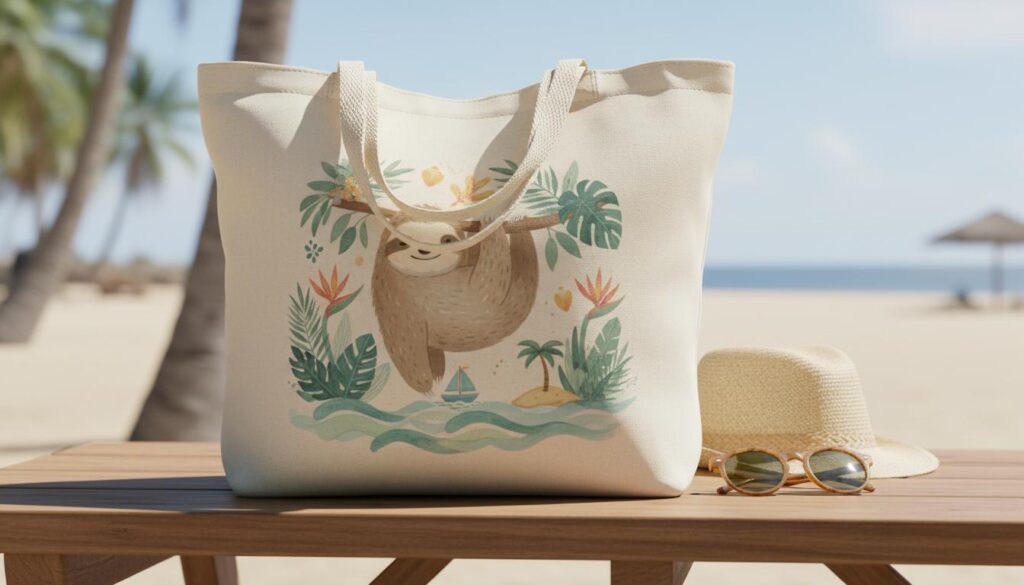
In a country where you can leave a sunny Vancouver sidewalk and step into sideways rain five minutes later, the right tote bag isn’t a nice-to-have. It’s your daily sidekick. Whether you’re grabbing produce at Toronto’s St. Lawrence Market, crossing Portage and Main in a deep freeze, dashing onto the REM in Montreal, or flying from Halifax to Calgary with only a personal item, a good tote can keep pace with Canadian life. This guide cuts through the noise and helps you pick a tote bag that fits your routine, your climate, and your budget—then shows you how to care for it so it actually lasts.
We’ll unpack materials (from cotton canvas and recycled PET to waxed canvas, leather, and nylon), sizes and capacities, strap comfort over winter layers, security features, and what works for grocery runs versus a 9-to-5 commute. You’ll see how recent Canadian rules on single-use plastics shape your options, what labels must legally be on a tote sold here, and where to shop locally. We’ll talk price points in Canadian dollars, real-world maintenance (including salt-stain fixes), and sustainability that’s honest, not just a buzzword. By the end, you’ll know exactly which tote bag to buy, how to use it well, and how to keep it out of the landfill for as long as possible.
What Exactly Is a Tote Bag—and Why It Endures
A tote bag is a simple carryall defined by an open main compartment, parallel handles, and a rectangular or square base. That simplicity is its superpower. You can throw in a laptop, a sweater, a head of lettuce, a library book for your kid, and a water bottle—in one motion. No fussy closures, no over-engineered pockets you’ll forget exist. It’s a blank canvas, literally and figuratively.
Modern totes come in two broad flavors. The everyday tote (canvas, nylon, or leather, often with a zipper and interior pockets) and the shopper tote (roomy, often unstructured, sometimes foldable). Many Canadian shoppers have both: a sturdy canvas tote for classes or the office and a packable nylon shopper in a jacket pocket for surprise errands, thanks to national restrictions on single-use checkout bags. Think of the tote as a Swiss Army knife you actually use.
Why a Tote Bag Makes Sense in Canada
Canada’s Single-use Plastics Prohibition Regulations phased out plastic checkout bags at most retailers, which means the toss-away option is gone and the paid paper alternative gets soggy fast on a slushy January afternoon. A durable tote bag saves you money on bag fees and spares you the annoyance of juggling groceries through sleet. More importantly, it stands up to real weather. Nylon or waxed canvas shrugs off snow. Thick cotton canvas carries textbooks without bowing. Leather looks right at home in a downtown office tower.
Across Canada, daily life is tote-shaped. Commuters hop on TransLink, OC Transpo, the TTC, or the STM with a laptop, gym shoes, and lunch. Parents do daycare pickups with mittens and snacks overflowing. Urban gardeners haul seedlings and soil amendments to community plots. Tourists rely on a personal-item-size carryall to dodge baggage fees on Air Canada and WestJet. At the cottage, a big beach tote swallows towels, sunblock, a paperback, and that extra hoodie you’ll be happy you brought when the wind swings off the lake.
Materials: What Your Tote Is Made Of Matters
Material is the make-or-break detail. It determines weight, weather resistance, how the bag drapes or stands up, how easy it is to clean, and how many beatings it can take before a seam gives out. Here’s how the most common choices behave in Canadian conditions.
Cotton Canvas and Organic Cotton
Cotton canvas is the classic tote fabric—thick, tough, and forgiving. You’ll see it described by weight: 10 oz, 12 oz, 14 oz, even 18 oz per square yard (or by GSM, grams per square metre). In plain English, higher numbers mean denser fabric that stands up on its own and resists abrasion. A 12–16 oz canvas is a sweet spot for daily carry in Toronto winters or on a Calgary commute—structured enough to protect your stuff, not so heavy it’s a chore when empty.
Organic cotton reduces pesticide and synthetic fertilizer use at the farm level; if you care about that (many Canadians do), look for credible certifications like GOTS for textiles or OEKO-TEX Standard 100 for finished fabric safety. Expect to pay a premium for organic or fair-trade canvas. One quirk: canvas can shrink and fade. If you plan to machine wash, buy a pre-shrunk bag or expect a modest size change. Salt and slush won’t ruin it, but wet cotton takes time to dry. A damp tote shoved into a locker at a community centre is an invitation for mildew, especially on the coasts—air it out promptly.
Recycled Cotton and Blends
Recycled cotton (often mixed with polyester for strength) diverts textile waste from landfills. The trade-off is fibre length—recycled fibres can be shorter and slightly weaker, so seams and stitching quality matter more. Choose heavier weights and double-stitched handles if you’re planning to carry bulky groceries from Loblaws, Sobeys, or Metro on a regular basis. The hand feel is a little rougher than virgin cotton; durability is usually still excellent if construction is solid.
Polyester and Recycled PET (rPET)
Polyester totes, including those made from recycled PET bottles, shine in wet weather and dry quickly on a boot tray. They’re common as foldable shoppers that compress into a pocket pouch—ideal for surprise Costco stops where paper bags cost extra. Woven polyester can be very durable, though it may look more “sporty” than a canvas or leather tote. If water-resistance is a priority, seek a coated or tightly woven option.
Microfibre shedding is a known environmental concern with synthetic fabrics during washing. To reduce it, wash only when needed, use colder cycles, and consider a microfibre-catching bag in the laundry. Many brands now advertise PFAS-free water repellents; if you want to avoid fluorinated finishes, check product details or ask the retailer. Several PFAS chemicals are restricted in Canada, and momentum is toward safer alternatives.
Nylon (Including Ripstop and Cordura)
Nylon is strong for its weight and shrugs off rain and snow, making it a favourite for commuters in Vancouver or St. John’s. Technical nylons like Cordura resist abrasion from bike racks and bus floors, while ripstop options resist tearing if snagged. Nylon can look polished in matte finishes or casual in glossy weaves. If you routinely carry a laptop plus a lunch container and a water bottle on transit, a 400–1000D nylon tote with a zip top is a workhorse that won’t complain.
Leather and “Vegan Leather”
Leather totes—especially full-grain or top-grain—age gracefully and fit office environments without trying. They’re heavier and typically more expensive, but the trade-off is long life if you treat them decently. Winter is the foe: road salt can leave white stains. Wipe splashes with a damp cloth as soon as you can and use a leather cleaner/conditioner occasionally. Avoid leaving a leather tote on a radiant heater or baseboard; it will dry and crack.
“Vegan leather” usually means polyurethane (PU) or PVC. PU is the better choice of the two; it’s softer and generally less toxic to produce than PVC. These totes can look sleek, cost less than leather, and resist stains, but they rarely last as long as full-grain leather. Emerging plant-based alternatives (cactus, apple, mushroom “leathers”) are promising but still niche in Canada; durability varies, so read reviews from Canadian buyers, not just promotional copy.
Waxed Canvas
Waxed canvas adds a water-repellent finish to sturdy cotton. It develops a patina (the light scuffs you see on jackets and bags) that many people love. In a snow squall or a sudden prairie downpour, waxed canvas keeps contents dry enough for a walk to the bus stop. Re-waxing every year or two takes 20–30 minutes with a bar or tin of wax. One catch: in deep cold, waxed fabric can feel a bit stiff. That’s normal and loosens again indoors.
Specialty Fabrics: Felt, Tyvek, Paper “Leather,” and Wool
Felted wool totes are cozy, quiet, and surprisingly sturdy if thick enough. They suit library runs and lighter work carry. Tyvek and paper-based “leathers” are featherlight and water-resistant, great for travel if you like a minimalist look. These niche materials are less forgiving for heavy loads, so if you’re hauling root vegetables from Jean-Talon Market in late fall, stick to canvas or nylon.
Quick Comparison: Materials at a Glance
| Material | Weather resistance | Durability | Cleaning | Typical price (CAD) | Best for |
|---|---|---|---|---|---|
| 12–16 oz Cotton Canvas | Fair (soaks through in heavy rain) | High (if well stitched) | Spot clean or gentle wash | $20–$120 | Daily carry, groceries, students |
| Waxed Canvas | Good (repels rain/snow) | High | Wipe clean, re-wax periodically | $60–$220 | Commuting in wet climates, travel |
| Nylon (Cordura/Ripstop) | Very good | High (especially 500–1000D) | Wipe clean, gentle wash | $40–$200 | Transit, cycling, gym + office |
| Polyester / rPET | Good | Medium–High | Machine wash (check label) | $10–$90 | Foldable shoppers, extra bag |
| Leather (full/top-grain) | Fair (treat for moisture) | Very high | Wipe, condition, avoid soaking | $150–$600+ | Office, formal, long-term use |
| PU “Vegan Leather” | Good | Medium | Wipe clean | $40–$180 | Style on a budget, low maintenance |
Size, Capacity, and Fit: How to Pick the Right Dimensions
“Large” means very different things across brands. Focus on real numbers. Measure what you carry—laptop length, lunch container height, water bottle diameter—and compare to interior dimensions, not just exterior width at the top (totes taper).
Common Tote Dimensions and What They Hold
A classic canvas tote might be around 35–40 cm wide, 30–35 cm tall, and 12–15 cm deep. That swallows a 13-inch laptop, a notebook, a sweater, and a 750 ml bottle with room for a wallet and keys. For a 15–16-inch laptop, look for 42–45 cm width and 14–16 cm depth, ideally with a padded sleeve. If you prefer litres, everyday totes land in the 12–22 L range; shopper totes for groceries can hit 25–35 L. If you’re tackling a full grocery shop at No Frills or Save-On-Foods, plan on two big shoppers or a combination of one structured tote plus a foldable backup.
For air travel as a “personal item,” check airline limits. Air Canada lists personal items up to roughly 43 x 33 x 16 cm (17 x 13 x 6 in). WestJet’s guidance is about 41 x 33 x 15 cm (16 x 13 x 6 in). Many zip-top work totes fit those numbers; a tall shopper might not. If you want the tote under the seat, pick one that compresses a bit when not full.
Straps and Drop Length Matter More in Winter
The “drop” is the distance from the top of the strap to the top edge of the tote. If you wear parkas or thick wool coats, a longer drop (22–28 cm) helps the bag slide over your shoulder without wrestling. Wider straps distribute weight and won’t cut into your shoulder on icy, stop-and-go walks. If you bike or prefer hands-free, a tote with a detachable crossbody strap earns its keep when the sidewalk turns to slush and you need two hands for balance.
Open Top or Zip Top? Security and Spills
Open-top totes are fast and roomy, great for markets or stashing a scarf on the fly. The downside is weather and security. On a packed CTrain or Metro car, a zip top and an interior pocket with a zipper for your phone give peace of mind. Magnets are a good middle ground—quick to close, decent coverage. If you’re carrying documents, a laptop, or baby supplies, a zipper is worth it.
Structure, Base Inserts, and Pockets
A gusseted base (that rectangle at the bottom) adds volume and helps the bag stand. Some totes hide a thin plastic or fibreboard base insert you can remove for washing. If you carry glass jars from a bulk store or heavy textbooks, structure matters. Inside, pockets keep you sane: a zip pocket for valuables, a sleeve for a laptop or tablet, and at least one upright bottle pocket so a water bottle doesn’t topple and soak your notes.
Use Cases: Match Your Tote to Your Day
Grocery and Zero-Waste Shopping
Groceries are where a tote bag earns its civic badge. Paper bags rip in sleet and cost money; canvas and nylon don’t. For weekly shops, use one structured tote for heavy items like milk, flour, and jars, and one large, lighter tote for greens and boxed goods. If you visit a farmer’s market—Granville Island Public Market, Saskatoon Farmers’ Market, or Marché du Vieux-Port—pack a foldable shopper for overflow. Produce bags (mesh cotton or lightweight nylon) keep delicate items from bruising.
Food safety matters. Don’t mix raw meat with produce. If you buy meat, use a washable liner or a separate bag, and clean your tote after spills. In winter, don’t leave a damp cotton tote in the trunk overnight; it’ll smell like a forgotten hockey sock by morning. Dry it fully between uses.
Work and Study: Office-Ready and Campus-Proof
For students at UBC, McGill, or Memorial, a classic canvas or nylon tote with a padded sleeve and a zip top covers class-to-gym-to-cafe. Look for reinforced straps sewn down several inches on the body of the bag. For office environments in Toronto’s Financial District or Bay Street in Ottawa, a leather or structured nylon tote complements business attire and slides under a desk easily. If you carry sensitive documents or a laptop, a zip is non-negotiable. Tuck a compact umbrella in a bottle pocket so you don’t baptize your computer on a rainy walk to the GO station.
Travel in Canada: Carry-On, Personal Item, and Weekend Getaways
Domestic flights are friendlier on fees if you can get away with a personal item. Choose a tote that meets personal-item dimensions and add a luggage sleeve that slides over a suitcase handle. Security-wise, remember CATSA’s 100 mL liquid rule—pack toiletries in a zip pouch that’s easy to pull out. On VIA Rail, overhead racks are generous, but under-seat space varies; a soft tote flexes to fit.
For road trips to a cottage or a ski hill, a big zip-top nylon tote is perfect for snacks, hats, and chargers. On ferries (BC Ferries, Marine Atlantic), a brightly coloured liner or light interior fabric helps you see items inside under low lighting. If you’re coastal, salt air will corrode cheap zippers; pick YKK or similarly reputable hardware.
Outdoors and Cottage Weekends
Heading to Sandbanks, Wasaga, or a Lake Superior beach? A water-resistant tote with a wipeable lining means wet swimsuits won’t ruin the drive home. Around campfires, be cautious: sparks and synthetics are a bad match. Keep nylon or polyester totes away from open flame. In bear country (Banff, Kananaskis, Algonquin), never leave food unattended in a tote bag; follow park guidance for storing attractants—you don’t want a bear associating bags with snacks.
Parents and Caregivers
A diaper bag by any other name can be a tote. Focus on wipeable linings, multiple pockets, and a zip top. Clip-on stroller straps are a plus. Label the bag clearly for daycare in English and French if you’re in Quebec. And because mess happens: pack two lightweight, machine-washable cloth bags inside—one for clean, one for used clothes or towels from swim class.
Sustainability: Honest Math, Smarter Choices
Reusable doesn’t automatically mean “better” if the bag collects dust. The greenest tote bag is the one you’ll use hundreds of times. Life-cycle studies vary, but a reasonable takeaway is this: heavy cotton totes often need dozens to over a hundred uses to offset the impacts of making them compared to a single thin plastic checkout bag, depending on the impact measured (climate change, water use, etc.). Lighter synthetics can balance out faster on climate metrics but raise microfibre concerns. Paper bags have higher emissions than people think if used once.
So what do you do with that? Pick a durable tote you’ll carry constantly, then treat it well. Choose heavier canvas if you want a natural fibre that truly lasts. If you’re in a wet climate, nylon or polyester may be more practical, reducing the risk you leave the tote at home on rainy days. If organic, fair-trade, or recycled content matters to you, look for clear certifications and brand transparency, not vague “eco-friendly” labels. Locally made totes reduce transport emissions and support Canadian jobs; look to small makers in Winnipeg, Vancouver, Montreal, or Halifax, and Indigenous-owned businesses that feature original artwork—with permission and fair pay.
Care and Repair to Extend Life
Clean spills immediately. For canvas, spot clean with mild soap and a soft brush; let it air dry fully. Nylon and polyester handle a gentle machine wash (check the label), but remove base inserts and avoid high heat. Leather wants a wipe and occasional conditioning. Treat salt stains on leather with a 50/50 mix of water and white vinegar, dabbing gently; follow with conditioner. For waxed canvas, re-wax when water stops beading—soften wax with a hairdryer and work it in with a clean cloth.
Stitching is the first failure point. If handles start to pull away, a local tailor or cobbler can reinforce them for far less than a new bag. Visible mending—contrasting thread or patches—can look intentional and keeps a favourite tote in rotation. For loose rivets or snaps, repair kits are inexpensive and satisfying to use on a kitchen table.
End-of-Life in Canada
Textile recycling is improving but still patchy. Donating is best for totes in good condition—Value Village, Salvation Army, local hospital auxiliaries, or campus free stores will often accept them. For damaged bags, check your city’s waste wizard tool (Toronto, Vancouver, Calgary all have searchable databases) to see if textile drop-off or special event days exist. Diabetes Canada and other charities maintain donation bins for textiles in many communities. Some brands and retailers have take-back programs; ask before you toss. If you craft, upcycle a torn tote into cleaning cloths, produce bags, or storage bins for the mudroom.
Canadian Regulations and Labelling: What Buyers and Sellers Should Know
If you’re buying a tote bag in Canada, you’ll see labels governed by the federal Textile Labelling Act. Vendors must disclose fibre content (e.g., 100% cotton; 65% polyester, 35% cotton), and they must identify the dealer by name and address or a CA identification number. Labels need to be bilingual—English and French—subject to Quebec’s Charter of the French Language, which expects French to be at least as prominent. Care instructions are not mandatory by law, but most brands include them, often using common symbols Canadians are used to seeing.
Claims like “Made in Canada” are regulated. The Competition Bureau’s guidelines say that for an unqualified “Made in Canada” claim, the last substantial transformation must occur in Canada and at least 51% of total direct costs must be Canadian. If materials are imported, the qualified claim “Made in Canada with imported materials” is the safer route. For “organic” or “recycled” claims, sellers must be truthful and substantiated—ask for documentation if you’re buying in bulk for an organization.
Single-use plastics: as of late 2023, the sale of single-use plastic checkout bags was largely prohibited in Canada, following earlier bans on manufacture and import for sale. Some retailers moved to paper or reusable alternatives, while many simply expect customers to bring a reusable shopping bag or tote. If you run an event or a shop and plan to offer totes at checkout, check the latest federal and provincial rules and local bylaws; provinces and municipalities may also have guidance on reusable bag fees and signage.
Importing totes for resale? Duties depend on the HS code (many totes fall under heading 4202) and country of origin. Use the Canada Border Services Agency’s tarifffinder or consult a customs broker. Remember GST/HST on import and provincial sales taxes where applicable. If you add branding, factor in lead time for decoration and shipping; delays at peak seasons are common.
Price Guide and Where to Buy in Canada
You can spend $12 or $300 and still end up with a tote that fits your life—it depends on material, construction, brand, and features. Here’s a realistic range in Canadian dollars:
- Budget cotton shoppers (often unstructured): $5–$20 at supermarkets, campus bookstores, and bulk print shops.
- Mid-range canvas or nylon everyday totes: $40–$150 at retailers like MEC, Simons, Indigo, and local boutiques.
- Waxed canvas and technical nylon with robust hardware: $80–$220 from outdoor and heritage-inspired brands.
- Leather and high-end designer totes: $150–$600+ from Roots, Matt & Nat (PU “vegan leather”), and premium labels.
Where to hunt:
Canadian retailers: MEC carries sturdy nylon and canvas options with commuter features. Simons in Quebec City and beyond often stocks stylish canvas and leather totes under house labels and Canadian designers. Herschel Supply (Vancouver) offers minimalist work totes and travel-ready bags. Roots has leather classics made or finished in Canada. Matt & Nat (Montreal) focuses on “vegan leather” styles. Province of Canada and other small makers produce canvas bags domestically in small runs.
Local makers and markets: Craft fairs, Etsy Canada, and independent boutiques in cities like Winnipeg, Victoria, and Halifax are rich in made-in-Canada totes, often with artist collaborations. You’ll also find Indigenous artists selling totes that feature original artwork—buy from verified sources to ensure artists are paid and art is not appropriated.
Big-box and grocery: Loblaws, Sobeys, Metro, IGA, and Costco offer reusable shopping bags and low-cost tote bags. These are great car backups but vary in quality; check handle stitching and base reinforcement.
Secondhand: Value Village, Talize, Salvation Army, and consignment shops frequently have brand-new promotional totes and lightly used leather bags at a fraction of retail. Wash or wipe down thoroughly at home. If bedbugs are a concern in your area, a high-heat dryer cycle (where material permits) or a sealed bag left in a deep freeze for several days can reduce risk.
Design Features That Actually Matter Day to Day
Closures: Zipper, Magnet, Snap, or Open
On packed transit, a top zipper is your friend. Magnets offer one-hand closure and keep snow out on a short walk. Snaps are fine for casual carry, but they leave gaps. If you work in a secure building or travel frequently, a zipper plus an internal zip pocket for passports or access cards is worth the extra cost.
Pockets and Organization
At minimum, you want a key leash or D-ring near the top edge; the time you save in a cold parking lot is real. A padded laptop sleeve that doesn’t hog the entire main compartment keeps work gear separate from lunch. Vertical pockets fit bottles or travel umbrellas. Exterior slip pockets are useful for transit passes or mitts, but in dense crowds keep valuables inside.
Lining and Visibility
Dark linings hide dirt but also swallow small items visually. A light grey or tan lining is a sweet spot—clean enough, bright enough. Wipeable linings (PU-coated fabric or nylon) make a world of difference if you carry food. If you love canvas but want spill resistance, look for a canvas exterior with a coated lining inside.
Base Protection and Feet
Metal feet look fancy but don’t help if the bag is soft; the corners will still get wet. A slightly rigid base insert (removable for washing) keeps the bag from collapsing and protects contents from slush puddles on transit floors. If you buy an unstructured tote, cut a custom insert from thin coroplast or recycled plastic—cheap, effective, and washable.
Care and Maintenance for Canadian Conditions
Salt, slush, and sudden thaws are hard on gear. Build a five-minute routine into your week and your tote will reward you for years.
Canvas (unwaxed): Brush off grit. Spot clean with diluted dish soap. For deeper cleans, turn inside out, use a mesh laundry bag, and wash on cold gentle; reshape and air dry. Expect minor shrinkage. Don’t tumble dry.
Waxed canvas: Wipe with a damp cloth. If truly filthy, rinse with cold water, no detergent. Re-wax as needed with a wax recommended by the bag maker. Avoid prolonged high heat.
Nylon/polyester: Remove inserts, zip up, and machine wash cold on gentle with mild detergent. Air dry. To restore water beading, apply a PFAS-free spray-on repellent according to directions.
Leather: Wipe after exposure to salt. Use leather cleaner and conditioner sparingly, focusing on high-wear areas like handles. Keep away from heaters and prolonged sun. If the bag gets soaked, stuff with newspaper to hold shape and let it dry slowly at room temperature.
Odours and mildew: White vinegar diluted in water knocks out many smells. Sunlight helps (briefly—don’t bleach colours). For stubborn mildew on canvas, a gentle oxygen-based cleaner can work; spot test first.
DIY and Customization: Make It Yours
Basic tote sewing is beginner-friendly. One metre of 12–14 oz canvas, matching thread, and cotton webbing straps get you there. Cut two rectangles (for example, 42 x 38 cm), stitch sides and bottom with a 1.5 cm seam allowance, box the corners by sewing across the bottom at your chosen depth, turn right side out, fold and stitch the top hem, and attach straps with reinforced X-box stitches. Add an interior pocket from a scrap. It’s an afternoon project and you’ll understand how a good tote is constructed.
For prints, iron-on transfers work for simple graphics, but screen printing (at a local studio or with a starter kit) yields durable results. If you’re decorating totes for a team or charity run, consider embroidery on thicker canvas—it survives washes and looks crisp. Hardware upgrades like a key clip, a snap, or a zipper closure are straightforward with basic tools; plenty of Canadian fabric stores (Fabricland, Dressew, Club Tissus) stock supplies.
Bulk Buying and Custom Tote Bags in Canada: For Businesses and Non-Profits
Ordering custom totes for a conference, election campaign, or fundraiser? Decide early on your priorities: price, durability, delivery speed, and sustainability claims. Here’s a simple process that works:
- Define specs: material (10 oz canvas vs rPET), size (fits an 8.5 x 11-inch folder), strap length, colour, zip or open top, and artwork placement.
- Get quotes from at least three suppliers: a Canadian printer (faster, higher cost), an importer (lower cost, longer lead time), and a local maker (highest quality, limited capacity). Ask for sample photos of stitching and inside seams.
- Check compliance: fibre-content labels, bilingual labelling, and truthful origin claims. If you’ll sell in Quebec, ensure French text meets requirements.
- Artwork: provide vector files. Screen printing is cost-effective for 1–3 colours; DTG works for full colour on light cotton; embroidery suits logos on heavier fabric.
- Timeline: for offshore production, allow 10–14 weeks; domestic printing on in-stock bags can be 2–4 weeks. Add buffer for shipping and customs.
- Budget: a solid 12 oz canvas tote with a one-colour print might land around $6–$10 per unit at 500+ quantity, delivered, while Canadian-made and printed could be $14–$25. Add GST/HST and provincial taxes. Build in 5–10% overage for extras or damages.
For fundraising, consider tiered pricing or sponsor logos to offset costs. If donors receive a tote in exchange for a contribution, remember that CRA rules on issuing charitable tax receipts apply when benefits are provided—talk to your accountant before advertising receiptable amounts.
Troubleshooting and Real-World Tips
Shoulder pain from a heavy tote? Pack dense items (laptop, water, jars) near the spine side, close to your body. Alternate shoulders. If you walk on icy sidewalks, a crossbody strap frees both hands. In deep snow, a zip top keeps melt off your gear. In Vancouver rain, nylon wins; in dry prairie cold, canvas is fine.
Spills: maple syrup, soy sauce, or olive oil in a grocery tote? For cotton, sprinkle cornstarch to absorb oil, let sit, then wash with a bit of dish soap. For synthetics, a degreasing dish soap works wonders; rinse thoroughly. Keep a spare foldable tote in your parka pocket for surprise stops—habit beats intention when it comes to reusables.
Security: in crowded festivals (Calgary Stampede, Osheaga, Celebration of Light), wear your tote crossbody if possible and keep zippers inward. Consider a small, close-fitting crossbody wallet and use the tote for low-risk items like a sweater and water bottle.
Thrifted totes: to reduce bedbug risk, either launder hot (if the fabric allows) or tumble dry on high for 30+ minutes. For non-washables, a sealed bag in a deep freeze (-18°C) for several days helps, but heat is more reliable.
Who Needs What: Four Canadian Scenarios
Toronto commuter, office hybrid: Choose a 16–20 L zip-top nylon tote with a padded laptop sleeve, light lining, and a luggage pass-through. Add a slim umbrella and a key leash. You’ll be set for GO trains, PATH walks, and spontaneous post-work errands.
Calgary parent, two kids in activities: Go big—25–30 L canvas or waxed canvas with long, wide straps and at least two interior bottle pockets. A removable base insert keeps the bag upright at ice rinks. Keep a second foldable polyester shopper tucked in for library runs after practice.
Halifax student, bike and bus combo: A medium (18 L) Cordura tote with a detachable crossbody strap, reflective detail, and a roll-top or zipper keeps textbooks dry in Nor’easters. Choose a light interior fabric for visibility during early nightfall.
Yellowknife weekender: Waxed canvas or heavy-duty nylon, 22–28 L, with a zipper and tough hardware. Salt-resistant zippers and gloves-friendly pulls make winter use easier. Packable pouches inside fight chaos when gloves and hats multiply.
How to Evaluate a Tote in Store (or From Photos) in 60 Seconds
Stitching: even, tight, back-tacked at stress points. Handles should be sewn into the body at least 8–10 cm with box or bar-tack reinforcement. If you can see daylight through canvas at the seams, keep looking.
Fabric hand: does it feel substantial? Thin canvas that collapses in your hand won’t protect a laptop. Technical nylon should feel dense, not crinkly like a bargain windbreaker.
Hardware: zippers should run smoothly; YKK is a reliable name but not the only one. Snaps should align naturally; magnets should meet without you hunting for them.
Interior: light lining if you’re always digging; at least one secure pocket. If there’s a laptop sleeve, test with your device in a case—many “15-inch” sleeves are optimistic.
Comfort: try it on over your heaviest coat. If it sticks under your armpit, the drop is too short for Canadian winters.
Cost of Ownership: Not Just the Sticker Price
A $25 unstructured shopper replaced every six months beats up your budget and the planet. A $90–$150 well-built tote that lasts five years costs you $18–$30 per year. Run the math for your use case: if you’ll use it five days a week for commuting, investing in better stitching, a real zipper, and decent hardware pays back quickly. Add $10–$20 for a bottle pocket insert and a key leash if missing—both extend the bag’s usefulness.
Checklist: Your Ideal Tote Bag for Canada
- Material matches climate: nylon/waxed canvas for wet; cotton/leather for dry or office.
- Size fits your gear: measured against the biggest item you carry.
- Straps: wide, comfortable, long enough for a parka; optional crossbody.
- Closure: zipper if you commute or travel; magnet for casual use.
- Organization: laptop sleeve, bottle pocket, key leash, at least one zip pocket.
- Lining: light and wipeable if you carry food or small items.
- Build: reinforced handles, strong seams, quality hardware.
- Care plan: you’re willing to wash/condition as needed.
- Sustainability: buy once, buy right; pick credible eco claims if important to you.
Frequently Asked Questions
How many tote bags do I actually need?
Two or three cover most Canadians: one sturdy everyday tote (work/school), one large grocery shopper, and one foldable backup that lives in your coat pocket or glove box. If you commute by bike or often fly with only a personal item, add a zip-top nylon tote with a crossbody strap.
Canvas or nylon—which is better for Canadian weather?
Nylon wins for wet climates (Vancouver, St. John’s) and slushy shoulder seasons. Canvas is fine in drier cold (Calgary, Saskatoon) and ages well, especially waxed canvas. If you love canvas but live in rain, consider a rain cover or a waxed finish.
What tote bag size counts as a personal item on Canadian airlines?
Air Canada’s personal item guideline is around 43 x 33 x 16 cm (17 x 13 x 6 in). WestJet lists about 41 x 33 x 15 cm (16 x 13 x 6 in). Always check current airline pages before flying. Many structured work totes fit; oversized shoppers often don’t.
How do I remove salt stains from my leather tote?
Mix equal parts white vinegar and water. Dampen a soft cloth and gently wipe the stain—don’t soak. Let dry, then apply leather conditioner. Repeat light applications rather than one heavy scrub.
Are “vegan leather” totes durable?
PU-based “vegan leather” can look great and handle daily use but usually won’t match the lifespan of full-grain leather. Expect several seasons of good wear if stitching and construction are solid. Avoid PVC when possible.
Can I machine wash my tote bag?
Canvas and synthetic totes often tolerate a gentle cold wash; always check the label. Remove inserts and avoid the dryer. Leather should not be machine washed—stick to wiping and conditioning.
Do I need a zip-top tote for public transit?
You don’t need one, but it helps—keeps weather out and valuables in. If you ride crowded lines or attend busy events, a zipper plus an internal pocket for your phone and wallet is wise.
What’s the most sustainable tote bag?
The one you’ll use hundreds of times. Pick durable materials and construction that suit your climate and habits. If sustainability claims matter, look for recycled content with clear percentages, organic certifications for cotton, and PFAS-free water repellents for synthetics.
Where can I buy made-in-Canada tote bags?
Look to small makers on Etsy Canada, craft markets, and boutiques; brands like Roots (leather), Province of Canada (canvas), and various independent studios across Montreal, Vancouver, and Halifax produce domestically. Expect higher prices and strong build quality.
What features are non-negotiable for a work tote?
A padded laptop sleeve, a secure closure, comfortable straps that fit over winter layers, at least one zip pocket, and durable fabric. A luggage pass-through is a bonus if you travel.
How do I stop my tote from becoming a black hole?
Choose a light lining and use pouches: tech, toiletries, snacks. Add a key leash if missing. Vertical bottle pockets keep drinks upright and free space in the centre.
Will a waxed canvas tote stain my clothes?
Quality waxed canvas shouldn’t transfer under normal use. In hot conditions or right after re-waxing, mild transfer is possible. Let fresh wax cure and avoid wearing it against light fabrics until set.
Is embroidery or screen printing better for custom totes?
Screen printing is cost-effective for bold, flat designs and large areas. Embroidery looks premium and lasts, but it suits smaller logos and thicker fabrics. For full-colour photos on light cotton, DTG (direct-to-garment) is an option.
What’s a good weight for a canvas tote?
For daily carry, 12–16 oz canvas balances structure and weight. Under 10 oz feels floppy; over 18 oz can be heavy when empty unless you truly need the toughness.
Any tips for carrying heavy groceries comfortably?
Split weight across two bags. Place heavy items at the bottom and close to your side. Use wide straps or padded grip sleeves. If you walk far, consider a rolling cart for the heaviest loads and keep a tote for lighter items.