
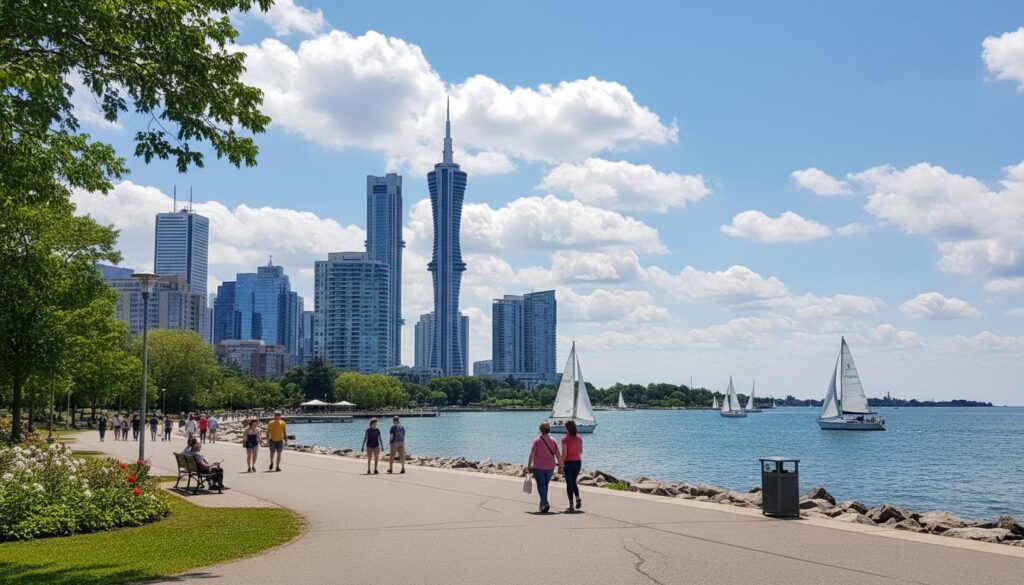
Mississauga doesn’t do “boring sky.” One day a glassy calm hangs over Lake Ontario; the next, a fast‑moving Alberta clipper skims in and turns the QEW into a snow globe. Summers can feel tropical—thick air, rumbling thunderstorms, a lake breeze cutting the heat on the waterfront while condos inland bake in the sun. If you live, work, or travel here, understanding how weather Mississauga behaves isn’t just interesting. It saves time, money, and more than a few cold fingers or overheated afternoons.
This guide takes you beyond a quick look at a phone app. You’ll learn how the lake shapes local temperature, why Malton can look wintry while Port Credit sees rain, when humidex and wind chill actually matter, where to check authoritative alerts, and how to plan commutes, flights, outdoor time, and home maintenance. It blends climate context for Mississauga with practical, Canada‑specific tools and tips you can act on immediately.
Where Mississauga Sits, and Why That Matters for Weather
Start with the map. Mississauga stretches west of Toronto along western Lake Ontario, with neighbourhoods that run from lakefront marinas to higher, more open country near the 401 and 407. The city sits squarely in the Greater Toronto Area (GTA), but the lake’s presence means it doesn’t share weather evenly from block to block. Waterfront communities like Port Credit and Clarkson cool down faster on hot afternoons and warm up slightly on frigid nights thanks to the lake’s thermal mass. Inland areas such as Meadowvale, Erin Mills, and Malton heat and cool more dramatically.
That water also feeds clouds and fog. In late fall and early winter, the lake is relatively warm. Overpassing cold air picks up moisture, creating low clouds, drizzle, or bursts of wet snow—especially in unstable, gusty conditions. In spring, the opposite happens: chilly lake air flows inland, dulling sunshine and keeping lakeshore areas several degrees cooler than spots a few kilometres north. You’ll feel it on a bike ride from Lakeshore Road up to Britannia: short distance, different season.
To the north and west, open terrain allows wind to build. Mississauga is not as windy as the open escarpment or Lake Huron shores, but western gusts can be brisk, especially along Highway 407 and near Pearson Airport. That matters for crosswinds, wind chill, and blowing snow. It also matters for flight operations at Canada’s busiest airport, which sits on Mississauga’s northeastern edge and reports the city’s most reliable, minute‑by‑minute observations.
Mississauga’s Climate in Plain Language
Mississauga’s climate is humid continental, moderated by Lake Ontario. In practice, that means four distinct seasons, regular swings between warm and cold, and a wide variety of precipitation types. Winters here are cold and often snowy but not as harsh or prolonged as Northern Ontario or the Prairies. Summers are warm to hot and humid, with frequent thunderstorms. Spring and fall bring rapid shifts, big day‑to‑day temperature changes, and plenty of wind on frontal passages.
Based on Environment and Climate Change Canada (ECCC) climate normals taken at Toronto Pearson International Airport (YYZ)—located in Mississauga—typical January afternoons hover a little below freezing, while nights commonly dip well below. July afternoons usually reach the mid‑20s Celsius, with warm, muggy nights. Annual precipitation falls around the metre mark when you combine rain and melted snow, with rain peaking from late spring to early fall and snowfall concentrated in late fall to early spring. Lake effect snow is not as extreme here as near Georgian Bay, but quick bursts can occur during the cold season, especially with a strong northwest flow and embedded squalls that survive the trek across the GTA.
Season by Season: What to Expect and How to Prepare
Winter (roughly December to March): Cold Snaps, Thaws, and Tricky Precipitation
Winter weather Mississauga style is a rotating cast: dry Arctic high pressure with bright sunshine and deep cold; clippers racing through with powdery snow; Colorado lows swinging up with heavy, wet snow or freezing rain; rare but memorable ice storms; and the reliable on‑and‑off hum of salters and plows. It’s manageable, but it demands attention.
Temperature swings are the rule. After a serious cold front, expect wind chill values to bite—when the air is, say, −12°C, a 30 km/h wind can push the wind chill into the −20s. Then a southern system can slide in 48 hours later and produce rain on bare pavement, or rain on snow (messy and flood‑prone), or that uniquely Ontario hazard: freezing rain glazing everything from rail switches to residential steps.
Practical moves that help:
- Use winter tires. Ontario doesn’t mandate them province‑wide (unlike Quebec), but insurance companies commonly offer discounts, and braking/handling on cold, wet roads is notably better. In Mississauga’s stop‑and‑go traffic, that can prevent low‑speed collisions.
- Watch for ECCC alerts: Special Weather Statements often precede snowfall, Freezing Rain Warnings call out glaze risk, and Snow Squall Warnings are rare here but serious when issued.
- Leave extra time for Highway 401, 403, and the QEW. Plows clear priority routes first; residential streets follow. The City posts progress and route priorities, and you’ll see the difference in lane conditions during longer events.
- Prevent slips at home: keep a small container of salt or sand by each door. Reapply before temperatures plunge, not after ice forms.
- Limit meltwater problems: clear catch basins near your curb when a thaw follows heavy snow. It reduces pooling and refreeze hazards.
Air travel considerations are unique. Pearson Airport handles winter well, but de‑icing queues and crosswind limitations can delay flights. If you need “yes or no right now” weather, check the current METAR and TAF for CYYZ—aviation codes that describe ceiling, visibility, wind, and runway conditions in a concise, highly standardized way. Many weather apps display them; they are the gold standard for real‑time airport conditions.
Spring (March to May): Freeze–Thaw, Flood Risk, and Allergy Season
Spring takes its time in Southern Ontario, and Mississauga is no exception. March can feel like late winter in the morning and mid‑April by afternoon. Freeze–thaw cycles riddle roads with new potholes and wear out bike tires. Rainfall ramps up, and the Credit River watershed becomes a focus: rain on snow and rapid melt can raise water levels quickly. The river’s valleys often run a few degrees cooler than nearby streets on clear nights, so watch for patchy frost in low‑lying parks and backyards even when city forecasts keep the overnight low a notch above zero.
Gardeners, you’ll want patience. Last frosts often hang on into May away from the lake, while lakeshore microclimates help tender plants survive a bit earlier. If a Frost Advisory is issued, cover seedlings and hanging baskets, and water the ground (not the leaves) before dusk—moist soil holds heat better overnight. Spring thunderstorms also reappear; while early‑season storms are generally less intense than mid‑summer ones, they can still knock out power and drop heavy rain fast.
Allergies tend to flare as trees pollinate (often April into May), followed by grasses as heat returns. On breezy, sunny days after rain, pollen counts spike. If you’re sensitive, keep car cabin filters fresh and time outdoor exercise for late afternoon or after showers, when counts typically dip.
Summer (June to August): Heat, Humidity, and Thunderstorms
Summer weather in Mississauga is warm to hot, with regular humidity courtesy of moist air streaming up from the U.S. Midwest and the lake’s moderating influence. Many days are comfortable; some feel tropical. When a heat dome settles in, ECCC issues Heat Warnings based on temperature and humidex thresholds. You’ll notice microclimate divides again: lake breezes can keep Port Credit a few degrees cooler while Square One’s plaza shimmers.
Thunderstorms build on unstable afternoons, especially along lake breeze boundaries where converging winds help storms bubble up. Expect lightning, bursts of torrential rain (urban flooding risk), and occasionally hail or damaging wind. Tornadoes are rare but possible in Southern Ontario, especially west and north of the GTA. Storms often form west near Kitchener–Waterloo or Guelph and roll east; radar loops are your friend on event days.
Summer survival kit ideas:
- Respect the humidex. A 31°C day with a humidex of 39 is a different beast. Hydrate, plan shade, and take advantage of indoor, air‑conditioned spaces—malls, libraries—if your place runs warm.
- Check the UV Index. Clear, dry high‑pressure days can push UV to very high readings in midday. Sunscreen of SPF 30+, protective clothing, and a broad‑brimmed hat are simple insurance.
- Follow the Air Quality Health Index (AQHI) when wildfire smoke drifts into the GTA, as happened in 2023. On high AQHI days, reduce strenuous outdoor activity, especially for kids, older adults, and people with heart or lung conditions.
- Know your marine forecast before boating. Western Lake Ontario can whip up steep chop in southwest winds. Small Craft Warnings mean it’s a day for caution or the dock.
Fall (September to November): Warm Echoes, Sudden Storms, Early Frosts
Early fall often feels like bonus summer, especially into late September. Warm afternoons, cool evenings, and clearer skies make for busy patios and park trails. As the sun’s angle lowers, temperature gradients sharpen and frontal systems get more dynamic. Rain events tied to remnants of tropical systems can deliver long, soaking periods and gusty easterlies. By late October into November, the first wet snow appears inland, with lakeshore rain more likely until stronger cold snaps arrive.
It’s also prime wind season. Low‑pressure tracks across the Great Lakes frequently pull strong southerly winds ahead of a front and equally stiff west or northwest winds behind it. That’s the day your recycling bins cartwheel and your bike commute home feels twice as long. It’s worth scheduling roof and gutter work—cleaning leaves, checking downspouts—earlier rather than later. When the first freeze follows autumn rain and leaf fall, ice can grip shaded sidewalks and decks overnight.
Monthly Snapshots: Typical Ranges You Can Plan Around
Exact conditions vary year to year, but these are useful, rounded ballpark figures for Mississauga using climate normals from Toronto Pearson (the closest long‑term station). Think “typical neighbourhood range,” not a guarantee for a given day. Lakefront areas tend to be slightly warmer in winter and slightly cooler in spring and summer.
| Month | Typical Afternoon High (°C) | Typical Overnight Low (°C) | What Often Happens |
|---|---|---|---|
| January | −2 to 0 | −9 to −6 | Coldest month; frequent wind chill; dry, bright cold spells broken by light snow or mixed precipitation. |
| February | −1 to 1 | −9 to −6 | Stays wintry; occasional milder breaks; risk of freezing rain in warm‑nose setups. |
| March | 3 to 6 | −5 to −2 | Wide swings; snow squalls possible early; increasing sun; messy rain‑on‑snow events. |
| April | 10 to 13 | 1 to 4 | Stronger sun; chilly lake breezes; first thunderstorms; frost still possible inland. |
| May | 17 to 20 | 7 to 10 | Pleasant days; rapid greening; heavier showers possible; allergy season for trees, then grasses. |
| June | 22 to 25 | 13 to 16 | Humid days begin; pop‑up storms; comfortable lakefront afternoons. |
| July | 25 to 28 | 17 to 19 | Warmest month; bouts of heat and high humidex; frequent thunderstorm chances. |
| August | 24 to 27 | 16 to 18 | Still hot, slightly drier feel late month; stormy days remain common. |
| September | 20 to 22 | 12 to 14 | Fewer storms; great outdoor weather; first crisp mornings by month’s end. |
| October | 13 to 15 | 5 to 7 | Leaf show; soaking rains with some systems; first flakes possible inland late month. |
| November | 6 to 8 | 0 to 2 | Windy transitions; mixed rain and wet snow; darker evenings after time change. |
| December | 0 to 2 | −5 to −3 | Early winter pattern; rain near lake, snow inland; freeze–thaw on sidewalks. |
Precipitation is spread through the year, with the heaviest rain days most common from late spring through fall. Annual snowfall in the Mississauga area typically lands in the ballpark of a metre spread across many events, with variability from year to year. Some winters skew rainy with slush; others rack up frequent 5–10 cm bursts that add up fast.
Where to Get Reliable Forecasts in Canada (and How to Read Them)
Not all weather sources speak the same language. For legal alerts and consistent Canada‑wide standards, Environment and Climate Change Canada is the authority. ECCC issues Watches and Warnings, runs the national radar network (the King City radar covers the GTA), and provides hourly and 7‑day forecasts for Mississauga and nearby locations. Their forecast discussion notes, when available, offer insight into forecaster confidence and what can change.
A short guide to terms you’ll often see:
- Special Weather Statement: Heads‑up for impactful weather that may not meet strict warning criteria yet. Pay attention; timing and type may still be evolving.
- Watch: Conditions are favourable for a particular hazard (e.g., Severe Thunderstorm Watch). Monitor updates and be ready to act.
- Warning: Hazard is occurring or imminent (e.g., Freezing Rain Warning). Adjust plans immediately.
For airport‑precise readings in Mississauga, check the METAR and TAF from CYYZ (Toronto Pearson). METAR gives you current conditions: wind direction and speed, visibility, cloud ceilings, temperature/dew point, pressure, and significant present weather (like RA for rain, SN for snow, FZRA for freezing rain). TAF is the forecast for the next 24–30 hours for the airfield itself. If you’re catching a flight or running time‑sensitive logistics in Malton or the Airport Corporate Centre, these data points matter.
Radar is essential on storm days. Look for the King City radar mosaic to watch cells build west of the city and track in. Bowing segments often mean gusty winds; training echoes over one spot suggest flash‑flood potential. Step through the loop rather than fixating on a single frame to understand motion and growth.
Microclimates Inside One City: Why Your Neighbour’s Weather Might Differ
Mississauga’s neighbourhoods don’t share weather evenly. Expect these patterns:
- Lakefront (Clarkson, Port Credit, Lakeview): Cooler on hot afternoons; slightly milder on winter nights; more fog and drizzle in late fall; later first frost in autumn and later last frost in spring.
- Inland Suburbs (Erin Mills, Central Erin Mills, Meadowvale, Cooksville): Larger day–night swings; earlier frost; heavier snow totals in some events; faster warm‑ups on sunny spring days.
- Airport/Industrial (Malton, Airport Corporate Centre): Windier and more open; excellent observation accuracy (thanks to Pearson); blowing snow and crosswinds noticeable.
- River Valleys (Streetsville along the Credit, Culham Trail): Cool air drainage at night; frost pockets; fog overnight and early morning, especially in fall.
- City Centre (Square One): Urban heat island keeps nights a touch warmer; pavement dries faster after showers.
Planning around these differences helps. If you garden in Streetsville, plan for colder nights than friends in Clarkson. If you run in the evenings, lakeshore paths can be breezier and cooler than inland loops in mid‑summer. On marginal winter days, snow may stick in Meadowvale while Lakeshore Road sees slush and rain.
Commuter’s Playbook: Driving, Transit, Cycling, and Flights
Mississauga is a commuting hub. Weather complicates everything from the 401’s fast lanes to MiWay platforms. Knowing where to look and what to do pays off daily.
Highways and Local Roads
Main routes—Highway 401, 403, 410, QEW, and the 407 toll corridor—react differently to weather. Elevated ramps freeze earlier. The 401’s density means a small fender‑bender can trigger huge slowdowns, especially when visibility drops in heavy snow squalls or summer downpours. The QEW near the lake is prone to wind gusts, spray, and rain that lingers a bit longer in fall systems.
Actionable steps:
- Use Ontario 511 to check live camera feeds, closures, and winter road conditions before you leave.
- Switch to winter washer fluid by October. Road spray on the QEW and Gardiner is relentless in wet snow.
- Leave space after plows. They often work in tandem. Passing between them is unsafe, and the road ahead may be worse.
- In heavy rain, slow down before puddle zones. Hydroplaning is common near dips and construction sites where drainage hasn’t caught up.
On residential streets, expect staggered clearing. Salt is applied first when temperatures and timing favour it; plowing follows when accumulations warrant it. If an overnight snowfall ends near the morning rush, main roads will be passable while side streets stay rutted until crews cycle through. Park off‑street when snow is forecast—on‑street parking bans can kick in during larger storms for plow access.
Transit and Active Transportation
MiWay and GO Transit run reliably in most weather, but platforms and stairs get slick fast during freeze–thaw. On rain days, build buffer time at terminals like City Centre or Clarkson GO, where crowds slow boarding. For cycling, winter’s biggest hazards are not just snow but freeze–thaw ridging and black ice on shaded paths—especially near rivers and underpasses. Studded tires make a surprising difference for grip if you ride year‑round.
On sweltering summer afternoons, buses can feel warm even with AC if doors open constantly. Time transfers to minimize waiting on unsheltered stops and use shaded sides of the street on high UV days.
Air Travel via Pearson (YYZ)
Weather at YYZ sets the tone for travel across Canada. In winter, aircraft de‑icing is the chief slow‑down. After snow or freezing rain, ground stops may be used briefly while runways are cleared. In summer, thunderstorms cause ground holds for lightning safety. If you see towering clouds building to the west on radar or a Severe Thunderstorm Warning in Peel Region, expect ripple effects.
Practical moves:
- For tight connections, book earlier flights during storm‑prone periods and avoid last departures of the day.
- When winds are gusty west–northwest, crosswinds can restrict operations on certain runways. Delays are more likely.
- During heavy snow, check airline apps frequently; rebooking windows open quickly as schedules shuffle.
Outdoor Life, Parks, and the Lake: Making the Most of Local Weather
Mississauga’s parks, trails, and waterfront shine when you sync plans with the forecast. Jack Darling Park, Riverwood, Rattray Marsh, Meadowvale Conservation Area—each has weather sweet spots.
Lake Ontario cools the air along Lakeshore in summer, making lunchtime runs or family picnics more comfortable than inland parks. In spring and early summer, watch for fog banks rolling in over cool water on warm days; it’s atmospheric but chilly and damp. In late fall, lakeshore paths can stay ice‑free longer, but drizzle and strong onshore winds are more common.
Thunderstorm safety is non‑negotiable. If you can hear thunder, you’re within striking distance. Seek solid shelter and wait 30 minutes after the last rumble before resuming outdoor sports. For boaters launching at Port Credit, follow the marine forecast for western Lake Ontario. Short‑period waves steepen quickly in strong southwest or northeast winds—looks manageable from shore, feels rough in a small craft.
On the trail side, river fog in the Credit Valley is beautiful but hides black ice in late fall and early spring. Trekking poles or shoes with better outsole grip keep you upright in shoulder seasons. Mosquitoes ramp up after heavy June rains; wear light colours and apply repellent at dusk near marshes. Tick awareness is now a normal part of Southern Ontario hiking; use long pants, do tick checks, and know that risk varies by location and season.
Home, Property, and Building: Weather‑Smart Maintenance
Weather in Mississauga shapes what, when, and how you maintain your home. The goal: fewer surprises and lower bills.
- Ice dams: After heavy snow followed by sun, heat leaks melt roof snow that refreezes at the eaves. Keep attic insulation and ventilation in good shape, and clear gutters in fall.
- Basement flooding: During spring thaws or summer deluges, downspouts should discharge away from the foundation. Test sump pumps before the wet season. The City funds stormwater infrastructure via a dedicated stormwater charge on your bill; property owners can reduce their risk by maintaining private drainage.
- Heat management: Shade west‑facing windows in summer. Thermal curtains and exterior shade structures keep indoor temperatures livable without overworking AC. Cold‑climate heat pumps now handle much of Southern Ontario’s year effectively; consult reputable contractors for sizing and backup heat strategies on the coldest nights.
- Winter readiness: Store de‑icer and sand before December. Lubricate door locks to prevent freezing. Mark driveway edges with reflectors so plows and snowblowers avoid lawn damage.
- Tree care: After windstorms, inspect for hangers (broken limbs stuck in the canopy). Trim deadwood pre‑storm season to reduce damage.
Business, Logistics, and Contractors: Weather‑Proof Operations
Mississauga’s economy leans on logistics, manufacturing, and services clustered around the airport and major corridors. Weather disruptions translate directly into cost.
- Fleet operations: Equip vans and trucks with winter tires and in‑cabin ice scrapers. Schedule deliveries to avoid rush hours during snowfall and consider preload staging the night before when ECCC signals a morning event.
- Warehousing: Ice at loading bays forms when warm interior air meets sub‑freezing outdoor temps. Use floor fans to reduce condensation, and apply traction aids at thresholds.
- Contracting and construction: Plan concrete pours outside of deep freeze stretches and cover with curing blankets when needed. In summer, time pours early morning to avoid high humidex and pop‑up storm risk.
- Events and hospitality: Build weather clauses into contracts. For outdoor festivals at Celebration Square, lightning policies and heat plans (shade, misting, water stations) are essential. Use the AQHI to guide staff rotations on smoky days.
Climate Trends in Southern Ontario and What They Mean Locally
Across Southern Ontario, long‑term observations point to warmer average temperatures, more very warm nights, and an uptick in heavy rainfall events. For Mississauga, that plays out as:
- Longer growing seasons and later first frosts, especially near the lake.
- More frequent extreme rain bursts that overwhelm local drainage, leading to short‑lived but intense urban flooding.
- Hotter, longer heat waves with higher overnight lows, stressing people and infrastructure that rely on nighttime cooling.
- Winter skewing toward more mixed precipitation events (rain, freezing rain) interspersed with classic snow systems.
What to do with that information? Review downspout extensions and landscaping to direct water away from homes. Consider shade trees and reflective or green roofing where feasible. For workplaces, refresh heat and air quality plans. For personal planning, keep an eye on ECCC’s longer‑range outlooks, which can hint at warmer‑than‑normal or wetter‑than‑normal periods a few weeks ahead.
Canadian Weather Indices Decoded: Wind Chill, Humidex, UV, and AQHI
Canadian forecasts use a few indices that say more about comfort and risk than temperature alone. They’re worth understanding.
Wind Chill
Wind chill describes how quickly your body loses heat when wind strips away the insulating layer of air next to your skin. It matters most below freezing. A −10°C day with no wind feels manageable on a sunny winter walk; the same temperature with a 30 km/h wind can feel bitter and unsafe for extended exposure. Dress for the wind chill number, especially for kids at recess and anyone working outdoors.
Humidex
Humidex blends temperature and humidity to describe how hot it feels. High humidity slows sweat evaporation. At a humidex of 35–39, many people feel uncomfortable; at 40 and above, heat stress risk rises quickly. Hydration, rest breaks, and shade are your main levers. Employers should adjust work–rest cycles accordingly on construction sites and loading docks.
UV Index
UV Index tracks the intensity of sunburn‑causing ultraviolet radiation. In Southern Ontario, it peaks in late spring and summer on clear days. A UV of 8 (very high) is common at midday. Protection is straightforward: SPF 30+ sunscreen, sunglasses with UVA/UVB protection, and timing your outdoor time earlier or later in the day.
Air Quality Health Index (AQHI)
AQHI converts a suite of air pollutants into a simple 1–10+ scale tied to health messaging. Typically, Mississauga sits in the low range. On stagnant summer days with smog build‑up or wildfire smoke intrusions, the index can jump. People with heart or lung conditions should modify activity on moderate to high AQHI days; everyone should scale back strenuous exercise outdoors when the index climbs.
What “Lake Effect” Means Here (and What It Doesn’t)
“Lake effect” gets tossed around a lot, but Mississauga’s relationship with it is subtle. We’re downwind of Lake Huron and Georgian Bay in northwest flow—ingredients for true snow squalls. Strong squalls sometimes survive the trip across the peninsula, narrowing into bands that graze Peel and the west GTA. When they do, conditions change from flurries to blizzard‑like in minutes. More often, though, we see lake‑enhanced flurries and clouds from Lake Ontario itself, not the intense, persistent squalls that bury places like Owen Sound or Barrie.
In spring and early summer, the lake stifles temperature spikes near the water. Inland barbecues roast while lakeside patios call for a light jacket. By late summer and early fall, the lake releases heat more slowly than the land, tempering early cold snaps along the shoreline.
Scenario Planning: Three Common Mississauga Weather Setups and How to Handle Them
1) Freezing Rain and Ice Event
A classic Ontario headache: a low approaches from the southwest, warm air rides up and over a shallow dome of sub‑freezing air at the surface. Snow switches to pellets, then to freezing rain.
What to do:
- Move errands forward before the changeover. Sidewalks are passable in snow; they become skating rinks in glaze.
- Salt proactively as the snow tapers. De‑icer works best before a thick glaze forms.
- Park off‑street to help crews. Expect downed branches and spotty power outages. Charge devices in advance.
- After the event, give city crews time to treat hills and bridge decks—they freeze first and thaw last.
2) July Heat Wave with Humidex 40+
High pressure sits over the region, winds go light, and dew points climb. Nights offer less relief as urban heat lingers.
How to cope:
- Plan intense activity in the morning. If you work outdoors, rotate crews and enforce water breaks.
- Use cross‑ventilation at night if temperatures allow; otherwise, pre‑cool in the morning and pull blinds midday.
- Check in on seniors and pets. Asphalt heats fast—walk dogs on grass where possible to protect paws.
- If thunderstorm chances rise late day, secure outdoor furniture and umbrellas—outflows can be fierce.
3) March Rain on Snowpack
Several centimetres of old snow linger. A mild, rainy system arrives quickly.
Reduce risk:
- Clear snow and ice from around drains and the street catch basin before the rain starts.
- Extend downspouts well away from the foundation. Confirm sump pump operation.
- Park on higher parts of the driveway if pooling is possible. Avoid splashing salt‑laden meltwater into garden beds.
A Neighbourhood Cheat Sheet: Local Weather Character
| Area | Local Weather Traits | Seasonal Notes |
|---|---|---|
| Port Credit / Lakeview | Lake breeze cooling; more fog/drizzle late fall; fewer deep freezes | Spring stays cooler longer; later first frost in fall |
| Clarkson / Rattray Marsh | Similar to Port Credit with added marsh humidity; breezy shoreline | Watch mosquitoes after June rains; slippery boardwalks in freeze–thaw |
| City Centre (Square One) | Urban heat island; faster drying after showers | Warmer nights in heat waves; frost lags versus suburbs |
| Erin Mills / Central Erin Mills | Larger temperature swings; wind noticeable on open arterials | Earlier frost; snow sticks a bit more readily than lakefront |
| Streetsville / Credit River Valley | Cool air drainage; morning fog pockets | Patchy frost risk even when forecast is marginal |
| Meadowvale / Lisgar | Inland, slightly snowier in some systems; gusty west winds | Good example of “rain at lake, snow here” events |
| Malton / Airport Corporate Centre | Windier, wide‑open exposure; precise observations via YYZ | De‑icing impacts and runway crosswinds affect local traffic |
Photography, Content Creation, and Sky‑Watching Tips
If you chase light, Mississauga rewards you when you account for local effects. Lake fog at dawn creates soft backgrounds along Lakeshore. After cold nights, hoar frost decorates the Credit’s riverbanks. Summer anvils (towering thunderheads) often drift in from the west at golden hour; lookout points along the waterfront frame lightning over the lake—shoot safely from shelter with a remote trigger. In winter, clear Arctic air yields sharp twilight colour; carry extra batteries, which drain faster in the cold.
For aviation spotters near Pearson, northwest wind days push arrivals onto north–south runways, changing approach paths and making for dramatic crosswind landings. Check CYYZ wind direction and the ATIS feed via aviation‑friendly apps to position yourself legally and safely.
Sustainable Weather‑Smart Habits for Mississauga
Seasonal rhythm makes sustainable choices easier when you pair them with the forecast.
- Rain barrels: Capture runoff during spring and summer storms for garden use in dry spells.
- Smart mowing and watering: Water lawns at dawn, not under midday sun or before a thunderstorm. Let grass grow a bit longer to shade roots.
- Winter salting: Use the right amount to protect pets, waterways, and infrastructure. Mechanical clearing (shovels, scrapers) first, then a light application when needed.
- Heat pumps and sealing: Tackle air sealing in shoulder seasons when contractors are less booked and temperatures are comfortable for blower‑door tests.
- Shade trees: Plant strategically on the west and south sides to cut summer cooling loads and provide habitat.
How to Build a Better Daily Routine Around Mississauga’s Weather
Weather awareness pays off when it’s automatic. Create a simple rhythm:
- Evening check: Glance at ECCC’s Mississauga forecast and radar if storms are around. Lay out gear accordingly—umbrella, gloves, sunscreen.
- Morning snapshot: Review current observations from Pearson (temperature, wind) and the hourly forecast. Adjust commute or leave time when warnings are in play.
- Midday scan: In summer, a quick radar peek before you leave the office can dodge a drencher. In winter, track temperatures around the freezing mark to anticipate refreeze or melting.
- Weekly look‑ahead: Flag any strong signals (heat wave, snowstorm) and move flexible tasks—yardwork, errands, deliveries—into weather windows.
Smart Use of Long‑Range Outlooks (Without Over‑Believing Them)
Seasonal and sub‑seasonal outlooks from ECCC and other reputable sources can suggest trends: “warmer than normal” or “wetter than normal” for a period. They’re not day‑specific forecasts. Use them to plan broadly (for example, extra watering capacity for a projected hot, dry July), but still rely on the 2–3 day forecast for execution. In shoulder seasons especially, a well‑timed 48‑hour window beats any month‑ahead hunch.
What Makes “Weather Mississauga” Different from “Weather Toronto”
Forecasts often lump the west GTA together, but there are real distinctions:
- Lake orientation: Mississauga’s southwest–northeast shoreline orientation sets up different lake breeze interactions than downtown Toronto, where urban core effects dominate.
- Airport proximity: The city has Canada’s chief observation site on its doorstep, which sharpens real‑time accuracy but can skew warm, windy, or drier than a sheltered neighbourhood might be feeling at that moment.
- Snow/rain divide: Marginal winter systems often draw a diagonal line through the GTA. On those days, “weather in Mississauga” can mean rain at Clarkson, sloppy snow in Streetsville, and straight snow in Meadowvale.
Bottom line: for on‑the‑ground decisions, tailor the broad GTA forecast to your microclimate using the patterns outlined here.
Costs, Rules, and Canadian Norms to Keep in Mind
A few Canada‑specific realities affect how you respond to weather:
- Insurance discounts for winter tires are common in Ontario. Ask your provider. They can offset the cost of a set and rims over a few seasons.
- Snow clearing responsibilities: The City maintains roads and certain sidewalks, but many property owners must clear their own sidewalks within a set time after snowfall. Check Mississauga’s current by‑laws for specifics in your ward.
- Hydro rates: Time‑of‑use or tiered electricity pricing means shifting AC and laundry to off‑peak hours saves money during summer heat waves. In winter, pre‑heating spaces before higher‑rate periods can help too.
- Stormwater charge: Mississauga applies a stormwater fee to fund drainage infrastructure. Reducing hard surfaces on your property and maintaining private drainage protects both you and the system your fees support.
Common Pitfalls and How to Avoid Them
- Trusting air temperature alone in winter: Wind and sun angle change comfort drastically. Dress for wind chill and exposure time.
- Ignoring freeze–thaw: Melting midday water refreezes overnight on shaded steps and north‑facing driveways. Apply traction aid before the evening drop.
- Overwatering lawns before storms: Summer deluges can saturate quickly. Let the forecasted rain do the work.
- Parking under big trees before windstorms: It’s tempting for shade, but limb damage risk spikes with saturated soils and strong gusts.
- Launching boats on onshore wind days: Waves build against shoreline ramps faster than you expect. Check wind direction, not just speed.
Putting It All Together: A Simple Weather Toolkit for Mississauga
Keep these tools handy and you’ll navigate weather in Mississauga like a pro:
- An app or site that displays ECCC’s official hourly and 7‑day forecast, radar (King City), and alerts for Peel Region.
- Quick access to CYYZ METAR/TAF for airport‑area precision.
- Ontario 511 bookmarked for highway cameras and road condition reports.
- A thermometer and anemometer on a backyard fence or balcony, if you’re inclined—knowing your hyper‑local wind and temperature helps with clothing, BBQ timing, and plant care.
- A small home weather kit: de‑icer, sand, snow brush with ice chisel, spare windshield fluid, battery pack, sunscreen, and a rain shell near the door.
FAQ: Weather Mississauga, Answered
What is the coldest month in Mississauga?
January is typically the coldest, with afternoon highs often near −2 to 0°C and overnight lows commonly around −9 to −6°C, based on long‑term data from Toronto Pearson. Short, sharper cold snaps can dip much lower for a few days.
How hot does it get in summer?
July is usually the warmest month. Afternoon highs frequently reach 25–28°C, and humidex values can push into the upper 30s during muggy spells. Overnight warmth is more persistent in built‑up areas like City Centre.
Does Mississauga get lake‑effect snow?
Occasionally, yes—but not like traditional snowbelt regions. Short‑lived bands from Lake Huron/Georgian Bay can survive into Peel on strong northwest flow. More commonly, Mississauga gets lake‑enhanced flurries and clouds from Lake Ontario rather than intense, stationary squalls.
Why is it cooler near the lake in spring?
Lake Ontario warms slowly. In spring, air passing over the cold water chills, then drifts inland as a lake breeze. That keeps lakeshore neighbourhoods several degrees cooler on sunny days compared with inland areas.
Where should I check for authoritative forecasts and warnings?
Environment and Climate Change Canada is the official source for Canadian forecasts, watches, and warnings. For airport‑specific conditions, check the METAR and TAF for CYYZ (Toronto Pearson). The King City radar shows precipitation approaching the GTA.
Do I need winter tires in Mississauga?
They are not provincially mandatory in Ontario, but they are strongly recommended. Winter tires outperform all‑season tires once temperatures drop consistently below 7°C, improving braking and handling on cold, wet, or snowy roads. Many insurers offer discounts for using them.
When is the best time for an outdoor wedding or big event?
Late May through mid‑June and early September often offer comfortable temperatures and lower thunderstorm risk than peak summer. That said, build a weather‑contingency plan. Shade and hydration for hot days, tents for passing showers, and a lightning policy keep your event smooth.
How often does freezing rain occur?
Several times most winters. Mixed precipitation is common in Southern Ontario. Freezing rain risk increases when warm air overrides shallow surface cold—often during systems tracking from the U.S. Midwest. Warnings from ECCC will call these events out.
Are thunderstorms dangerous in the GTA?
They can be. While major severe weather is less common than in the U.S. Midwest, Mississauga experiences strong storms with lightning, torrential rain, and damaging wind. Head indoors when you hear thunder. Secure outdoor items when a Severe Thunderstorm Watch or Warning is in effect.
What about air quality—should I worry?
Most days, Mississauga’s AQHI sits in the low risk category. However, stagnant summer days and wildfire smoke can push it higher. On moderate to high AQHI days, reduce strenuous outdoor activity and follow public health guidance, especially for sensitive groups.
Why are flights delayed when the weather doesn’t look that bad?
Airport operations are sensitive to wind, ceiling, visibility, lightning, and runway conditions. De‑icing, crosswinds, and lightning ground stops often create delays even when conditions look “okay” from a distance. Check CYYZ’s METAR/TAF for the most relevant airport weather details.
Is Mississauga windier than downtown Toronto?
Open inland areas and the airport precinct can feel windier than Toronto’s urban core, which has more shielding from dense buildings. Lakeshore areas see regular breezes, especially on warm days with lake‑breeze circulations.
When do leaves usually peak for fall colours?
Usually early to mid‑October in and around Mississauga, with variability based on weather. Cooler nights and sunny days accelerate colour change. River valleys often hang onto colour a bit longer.
What’s the difference between “feels like” and the actual temperature?
“Feels like” uses wind chill in cold conditions and humidex in warm conditions to estimate human thermal comfort. It often guides clothing and activity choices better than the raw temperature alone.
How can I quickly gauge if a storm will hit my part of the city?
Check radar loops and note motion. If cells are moving east–southeast and you’re in Meadowvale, watch west of Milton or Guelph; for Port Credit, look along the Burlington–Hamilton lake corridor. Lake breezes can bend storm tracks slightly as they approach the shore.
Do I need to worry about flooding?
Urban flooding can happen with torrential summer downpours that overwhelm drains. River flooding risk increases with spring thaws and heavy rain. Maintain clear downspouts and check catch basins near your property. Follow local conservation authority messages for river level advisories.
Is a 14‑day forecast useful?
Treat anything beyond 5–7 days as broad guidance. A “warm next week” or “stormy pattern” signal can help plan, but specific rain or snow timing that far out often changes. For daily decisions, lean on the next 2–3 days.
Can I rely on one app for everything?
Use at least two sources: ECCC for official alerts and local forecast, and radar for real‑time tracking. If you work near the airport or travel frequently, add CYYZ METAR/TAF to the mix.
Why does my street stay icy when the main road is clear?
Priority routes are salted and plowed first and have higher traffic volumes, which helps salt work. Residential streets, shaded sidewalks, and north‑facing driveways hold ice longer—especially during freeze–thaw cycles. Pre‑treat and sand as needed.
Final Thought
Weather in Mississauga is a moving target shaped by Lake Ontario, open inland terrain, and big‑city infrastructure. Once you learn the local cues—wind shifts, radar trends, microclimate quirks—you’ll find it easier to plan your days, care for your home, and enjoy the best of each season. Keep the right sources at hand, build small weather‑smart habits, and let the sky set the tempo rather than the stress level.